
Few neighborhoods in New York carry as much layered history per square block as Manhattan’s Chinatown. Anchored around Mott Street, Canal Street, and the Bowery in Lower Manhattan, the enclave has functioned for over 150 years as a point of arrival, a commercial corridor, a cultural anchor, and — more recently — a community in a sustained fight to stay intact. In 2026, that fight has taken on a new dimension.
A Neighborhood Built Out of Necessity
Chinatown was built because of racism. It emerged as an enclave precisely because Chinese immigrants were not allowed to live and work freely anywhere else. The neighborhood’s origins trace to the 1870s, when Chinese immigrants — many of whom had worked on the transcontinental railroad — began settling in Lower Manhattan. Facing legal exclusion, housing discrimination, and hostile public sentiment, the community turned inward and built an economy of its own: restaurants, herbalists, garment factories, dry goods stores, and community associations that served residents who had no access to the broader city’s institutions.
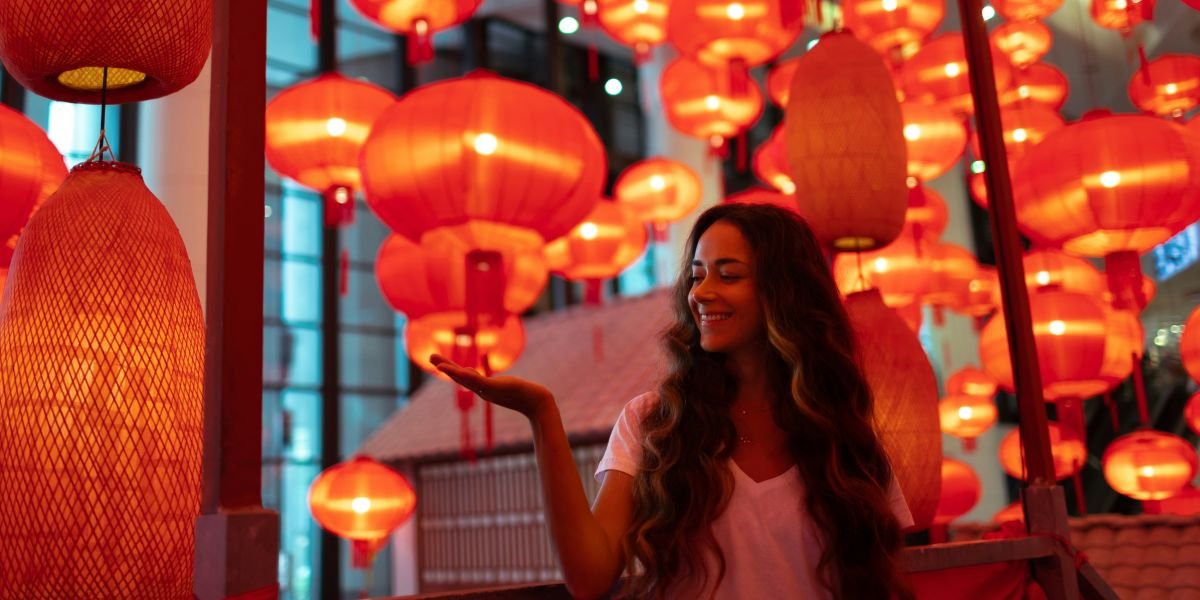
Manhattan’s Chinatown has been the symbolic center of Chinese New York since the 1870s. The Canal Street and Mott Street core is traditionally Cantonese and Taishanese, while east of the Bowery along East Broadway, the neighborhood transitions to a Fuzhounese-speaking enclave that grew rapidly in the 1990s. Today the neighborhood hosts the Chinese Consolidated Benevolent Association, the Museum of Chinese in America, and the annual Lunar New Year Parade — events that serve both residents and the broader city.
The Economic Landscape
Chinatown residents in Lower Manhattan spend $1.15 billion each year on retail goods and services, and about 80 percent of local businesses in the neighborhood directly serve the Chinese community, according to New York City’s Small Business Services data. That figure reflects the neighborhood’s dual function: it is both a place where people live and a place where a specific community sustains an economy that exists nowhere else in the five boroughs in quite the same form.
The businesses that define Chinatown — herbalists, dried seafood merchants, tea importers, jade jewelers, dim sum halls — operate on margins that leave little room for external shocks. In New York City, Chinatown’s median household income of $35,805 is significantly lower than that of Manhattan as a whole, at $86,553. The neighborhood’s affordability has historically been a function of its working-class character, not a marketing position.
Tariffs and the Supply Chain Squeeze
The current economic pressure on Chinatown is measurable and immediate. A 145% tariff on Chinese imports has caused prices of goods to spike sharply. A 40-pound bag of rice that previously cost $25 has climbed to $61. Restaurant owners who import rice, soy sauce, spices, and seasonings from China are absorbing costs that their customer base cannot necessarily absorb in turn.
Assembly Member Grace Lee noted at an April 2025 press conference in Chinatown that everyday goods — incense, noodles, traditional Chinese medicines, and kitchenware — have seen their costs spike, and that businesses are attempting to shield customers from price increases even as margins compress. U.S. Rep. Dan Goldman described the tariffs as a direct tax on small businesses that, unlike large retailers, cannot pass costs through to consumers without losing the very customer base that sustains them.
As a UCLA supply chain expert noted, there is no domestic alternative for much of what Chinatown sells. The volume is too small and the market too specific. For businesses built around culturally particular goods — medicinal herbs, specialty ingredients, ceremonial items — there is no substitute supply chain waiting to be activated.
Gentrification and the Long Pressure
The tariff crisis lands on top of a longer-running structural challenge. Manhattan’s Chinatown was home to more than 70 industrial firms in 2013 but now has only 37, with food-related and wholesale uses dominating. The neighborhood has lost ten percent of its restaurants in the past decade, and restaurants have increasingly shifted toward catering to younger and wealthier patrons, with a rise in boba shops, bakery chains, and snacks-only stores.
The introduction of congestion pricing has given customers from the outer boroughs and New Jersey another reason to patronize Chinese businesses in Flushing or Sunset Park rather than travel into Lower Manhattan — a structural disadvantage for a neighborhood whose foot traffic was already fragile coming out of the COVID-19 pandemic.
Community organizations are responding. Chinatown BID is running a small business workshop series in April 2026 covering emergency preparedness, SNAP restaurant program eligibility, and business support resources. The Chinatown Community Land Trust, Chinatown Partnership LDC, and the New York Affordable Housing Conference convened in April to explore community-controlled housing pipelines as a mechanism for keeping residents and businesses in place.
What Holds
What the neighborhood retains, despite the accumulated pressure, is its function as a community infrastructure. The Lunar New Year Parade draws hundreds of thousands of people annually to Mott Street. The herbalists who have operated in the same storefronts for three decades still open their doors. The tea merchants and fishmongers and bakeries that have been in families across generations have not surrendered without a fight.
Phoenix Palace owner Cory Ng put it plainly: the older generation built this community and retired. The current generation’s job is to hold the torch. In Lower Manhattan’s Chinatown, holding that torch has never been a simple proposition — and in 2026, it requires more from the people doing it than perhaps any point since the neighborhood’s founding.