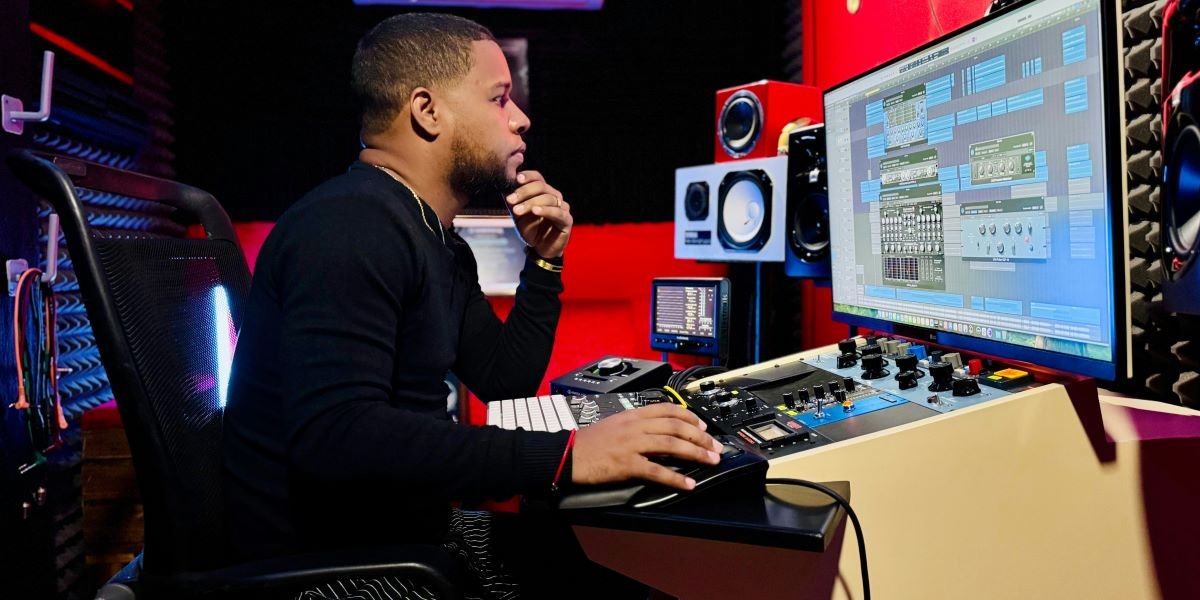

Understanding the Basics of Music Production
Music production is the process of creating and refining a piece of music, from its initial idea to the final polished track. It involves a variety of tasks, including composing, recording, arranging, mixing, and mastering. For some, it’s an art form, while for others, it’s a technical skill. Regardless of the approach, music production is the foundation of every song or sound recording, from pop hits to classical compositions.
With the advent of digital technology, music production has become more accessible than ever before. Artists and producers can now create high-quality music from home studios with relatively affordable tools. As a result, music production has evolved significantly, empowering a diverse range of people to explore their creativity and share their sound with the world.
Essential Tools for Music Production
The tools you use in music production are critical to the quality and efficiency of your work. Whether you’re a seasoned producer or just starting out, understanding the essential equipment is vital.
Digital Audio Workstation (DAW)
At the heart of any music production setup is the Digital Audio Workstation (DAW). A DAW is software that allows you to record, edit, arrange, and produce music. Popular DAWs include Ableton Live, Logic Pro X, FL Studio, and Pro Tools. Each DAW offers unique features, but they all serve as the primary tool for manipulating audio and MIDI files. The DAW is where you’ll create the skeleton of your music, experimenting with sounds, adding effects, and fine-tuning your tracks.
Audio Interfaces and MIDI Controllers
An audio interface is a critical piece of equipment for connecting your instruments or microphones to your computer. It converts the analog signals from your instruments into digital signals that your DAW can process. High-quality audio interfaces ensure that your recordings maintain clarity and fidelity.
A MIDI controller is another essential tool, particularly for electronic music producers. It allows you to control virtual instruments within your DAW, making it easier to compose melodies, basslines, and chords. While MIDI controllers come in many forms, from basic keyboard controllers to complex pads and mixers, they all provide a tactile way to interact with the music production process.
Microphones, Headphones, and Monitors
Microphones are needed for capturing vocals, instruments, or other sound sources. Depending on the type of sound you’re recording, different microphones will provide better results. Condenser microphones are commonly used for vocals due to their sensitivity, while dynamic microphones are ideal for loud sound sources like drums or guitar amps.
High-quality headphones and monitors are essential for accurate mixing and production. While headphones are useful for detailed listening and tracking, studio monitors (speakers designed for professional audio work) provide the clearest, most accurate representation of your sound, allowing you to fine-tune your tracks.
The Process of Music Production
Music production is an iterative process that typically involves several key steps. Each stage builds upon the previous one, with room for creativity, refinement, and technical adjustments.
Songwriting and Composition
The foundation of any great track begins with the idea. Songwriting is where you establish the melody, harmony, and lyrics. This is often where the core of your music takes shape. Whether you’re starting from scratch or building on an existing idea, composition is the stage where melodies, rhythms, and song structures are first realized.
While some producers begin by creating beats or instrumental parts, others may start with lyrics or a basic chord progression. Experimenting with different musical ideas and concepts during this stage can lead to the creation of unique and engaging songs.
Recording Techniques
Once you have a solid composition, it’s time to move on to recording. Recording is the process of capturing sound, whether it’s vocals, instruments, or other audio elements. Using high-quality microphones and recording equipment is essential to ensure that the sound is as clear and accurate as possible. Depending on the genre, you may also use various effects to add texture, depth, and emotion to the recording.
Mixing and Mastering: The Final Touch
After recording, the next phase is mixing, where individual tracks are blended together. During the mixing process, the producer adjusts the volume levels, applies effects like reverb or delay, and fine-tunes the sound. The goal is to create a balanced and cohesive track where every element has its space and can be clearly heard.
The final step is mastering, which involves preparing the track for distribution. Mastering ensures that the track sounds polished and consistent, regardless of the medium it’s played on. This process involves equalizing frequencies, compressing audio, and ensuring that the overall volume is balanced.
Exploring Different Music Production Styles

Music production is a versatile field with endless possibilities. Producers often specialize in specific genres or production techniques, which define their unique sound.
Electronic Music Production
Electronic music production involves creating music using synthesizers, drum machines, and digital sound manipulation. Producers in this genre often focus on creating beats, basslines, and atmospheric sounds that push the boundaries of modern music. Popular subgenres of electronic music include house, techno, trap, and dubstep.
Live Instrumentation and Acoustic Music
Live instrumentation, including acoustic instruments such as guitar, piano, or drums, remains a cornerstone of many music styles. Producing music with live instruments requires understanding how to record and blend these sounds effectively. Producers often use a combination of real recordings and digital manipulation to create a polished final product.
Hybrid Styles and Genre Fusion
Many producers enjoy experimenting with hybrid styles that blend elements of different genres. Mixing electronic elements with acoustic sounds, or combining jazz with hip-hop beats, creates fresh and innovative sounds. This approach requires an open mind and an eagerness to experiment with new techniques.
Tips and Best Practices for Aspiring Producers
For those starting out or looking to improve their music production skills, there are several best practices that can help you elevate your work.
Developing Your Signature Sound
One of the most important aspects of being a music producer is developing your own signature sound. Experiment with different genres, effects, and recording techniques to find what resonates with you and your audience. A unique sound can help set you apart from other producers and give your music a distinct identity.
Building a Workflow That Works for You
Every producer has a different workflow that works best for them. Some may prefer to start with a melody, while others might begin with a beat. It’s essential to find a workflow that aligns with your creative process and helps you stay organized and efficient.
Collaborating with Other Musicians and Producers
Collaboration is a key aspect of music production. Working with other musicians, songwriters, or producers can offer new perspectives and ideas that elevate your work. Collaboration also provides networking opportunities and can help you reach a broader audience.
Music production is both an art and a science, requiring a blend of creativity, technical skills, and continuous learning. Whether you’re producing electronic music or live instrumentation, the process involves constant experimentation, refinement, and growth. As technology continues to evolve, so does the world of music production, offering endless opportunities for innovation and artistic expression.
By staying curious, practicing regularly, and embracing new tools and techniques, aspiring music producers can carve out their own path and create music that resonates with listeners worldwide.