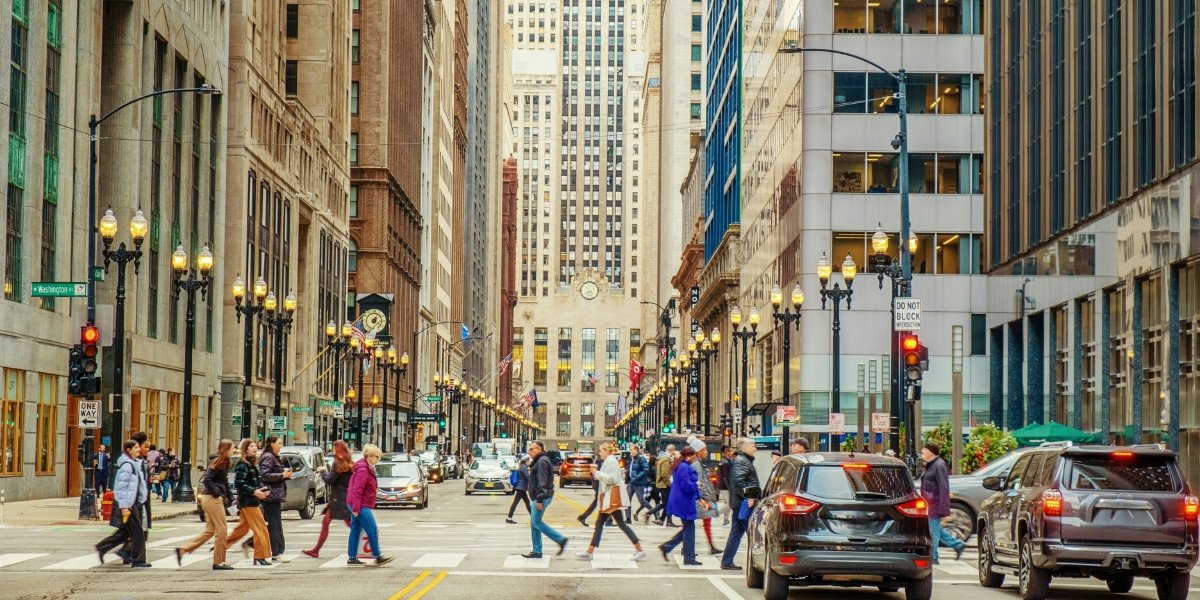

New York City’s minimum wage is set to increase to $17 per hour in January 2026, marking another step in the city’s ongoing effort to support workers and address the high cost of living. This increase comes after a decade of incremental wage adjustments, with the goal of providing financial relief to those in low-wage jobs, particularly as the city continues to recover from the economic impacts of the COVID-19 pandemic. While the wage increase is expected to benefit millions of New Yorkers, it also raises questions about its effects on businesses, labor markets, and the city’s economy as a whole.
The Growing Need for a $17 Minimum Wage
In New York City, where the cost of living remains one of the highest in the nation, many workers have struggled to make ends meet on the current wage floor of $15 an hour. The $17 per hour minimum wage is a direct response to rising housing costs, inflation, and the increasing demand for workers in various industries. Local government officials and advocacy groups argue that this adjustment will help reduce poverty rates and provide much-needed financial stability for low-income workers.
While the increase is a win for many workers, it also comes with potential challenges for businesses. As the city prepares for the wage adjustment, employers are bracing for higher operational costs, which could impact everything from hiring practices to pricing strategies. As the city’s labor market becomes increasingly competitive, businesses will need to adapt to the evolving economic environment while balancing the demands of employees and customers.
Impact on New York Businesses
For New York businesses, the wage floor increase will have a significant effect on labor costs, especially in industries that rely on low-wage workers, such as retail, hospitality, and food services. While some businesses may see a rise in employee morale and retention, others will face tough decisions about how to absorb the additional costs. Small businesses, in particular, may struggle with the added financial burden, and some could be forced to scale back operations or increase prices to remain profitable.
On the other hand, larger corporations with substantial financial resources are likely to adapt more easily, though they may still face challenges related to wage disparities between employees. Many companies are already looking at ways to streamline operations, introduce automation, or implement cost-saving measures in anticipation of the wage hike. For these businesses, the new wage floor could prompt a reevaluation of their compensation structures and overall workforce strategies.
Who Benefits from the Minimum Wage Increase?
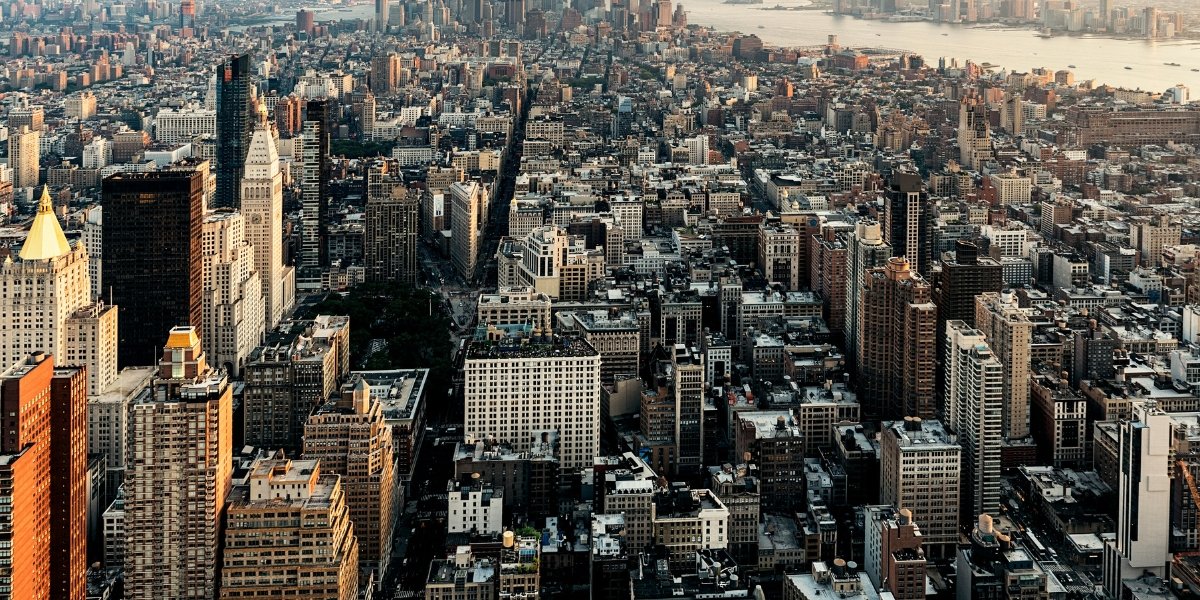
The $17 minimum wage increase will benefit a wide range of New Yorkers, particularly those working in lower-income roles. According to data from the New York State Department of Labor, the increase will impact over 500,000 workers across the city, including those employed in entry-level positions, service industries, and essential jobs like healthcare, education, and public service.
In addition to improving the standard of living for low-income workers, the wage hike may also boost consumer spending, as workers have more disposable income to spend on goods and services. This could benefit businesses in the local economy, especially those in sectors that depend on consumer demand, such as retail and dining.
However, critics of the wage increase argue that it could lead to job cuts, as employers may reduce their workforce to compensate for the higher wages. Some also express concern that the increase could lead to inflation, making goods and services more expensive across the board. Despite these concerns, proponents of the wage hike argue that the long-term benefits will outweigh the potential drawbacks, citing the increased purchasing power and improved quality of life for workers.
The Role of City and State Government
New York City officials and state legislators have long championed wage increases as a way to combat income inequality and ensure that workers can afford to live in the city. Over the years, the city has seen a steady rise in the minimum wage, and the upcoming $17 per hour increase is just the latest chapter in a broader effort to support workers. The decision to implement the wage hike comes after extensive discussions with labor unions, business owners, and policymakers, all of whom have weighed in on the potential impact.
For city residents, the increase is seen as a necessary step toward achieving economic equity, as many New Yorkers struggle to make ends meet despite working multiple jobs. As the city continues to recover from the pandemic’s economic impact, the minimum wage increase is expected to be one of several policy initiatives aimed at rebuilding a more resilient and inclusive economy.
The Path Forward for New York’s Workforce
As the $17 minimum wage takes effect in 2026, New York City will continue to evolve as a hub for both business and labor. For workers, the increase represents a critical opportunity to secure a more stable financial future, while for businesses, it signals a need for innovation and adaptation. The city’s dynamic workforce will play a pivotal role in shaping the future of New York’s economy, and the wage increase is just one of many factors that will influence the city’s labor landscape in the years to come.
As New Yorkers look ahead, the $17 minimum wage increase serves as both a sign of progress and a reminder of the work that remains to be done to ensure that all residents can thrive in this vibrant, fast-paced metropolis.