
The Metropolitan Transportation Authority is signaling that additional fare and toll restructuring may be on the table as it confronts widening long-term budget gaps — a development that could directly affect millions of daily New York commuters.
The warning emerged during December 2025 budget discussions tied to the MTA’s November 2025 Financial Plan, which projects growing deficits through the end of the decade.
December 2025 Budget Discussions Put Fare Policy Back In Focus
In December 2025, MTA officials and board members publicly reviewed the authority’s November Financial Plan, outlining projected shortfalls stretching through 2029. While no immediate fare overhaul was approved, the plan explicitly referenced the need for “future revenue actions” — a category that includes fare and toll adjustments.
The discussion revived concerns that current pricing structures may no longer be sufficient to support operations, capital spending, and debt obligations.
January 2026 Increases Show The Direction Of Travel
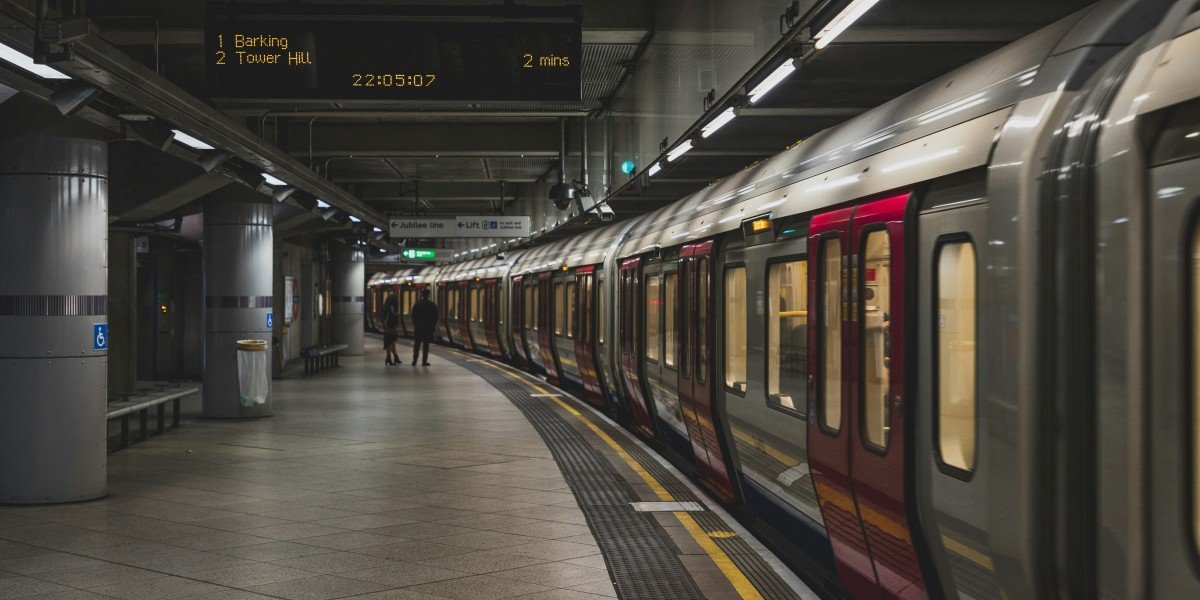
The latest signals come just weeks after fare and toll increases took effect on January 4, 2026, raising the base subway and bus fare to $3.00 and adjusting tolls across MTA-controlled bridges and tunnels.
Those increases were baked into the 2025 operating budget, but officials have emphasized they alone do not resolve long-term structural gaps.
Why The Budget Gap Is Growing
According to financial plan projections, the MTA’s challenges stem from a combination of:
- Rising labor and pension costs
- Significant debt service tied to capital upgrades
- Ridership that remains below pre-pandemic levels on certain lines
- Inflation-driven increases in operating expenses
Without new recurring revenue sources, the authority has warned that service levels and maintenance could face pressure.
What “Fare Restructuring” Could Mean
While officials have not released a specific proposal, restructuring could involve:
- Changes to fare frequency or timing
- Adjustments to commuter rail pricing models
- Expanded peak and off-peak differentials
- Revisions tied to OMNY adoption and usage data
Any such changes would require board approval and public hearings.
For many New Yorkers, transit costs are a fixed monthly expense. Advocates warn that repeated increases disproportionately affect low- and middle-income riders, while business groups emphasize the need for a financially stable transit system to support the city’s workforce and economy.
The issue is especially acute for outer-borough commuters and suburban rail riders who already face higher fares.
No Vote Yet, But The Warning Is Clear
MTA leadership has not announced a formal timetable for additional fare changes. However, the December 2025 financial discussions make clear that fare policy will remain central to upcoming budget cycles.
Further guidance is expected later in 2026 as updated ridership data and state funding decisions come into focus.
While no immediate restructuring has been approved, the message from the MTA is unmistakable: without new revenue or external funding, fare changes are likely to remain a recurring feature of New York’s transit future — and a growing factor in the city’s cost-of-living equation.