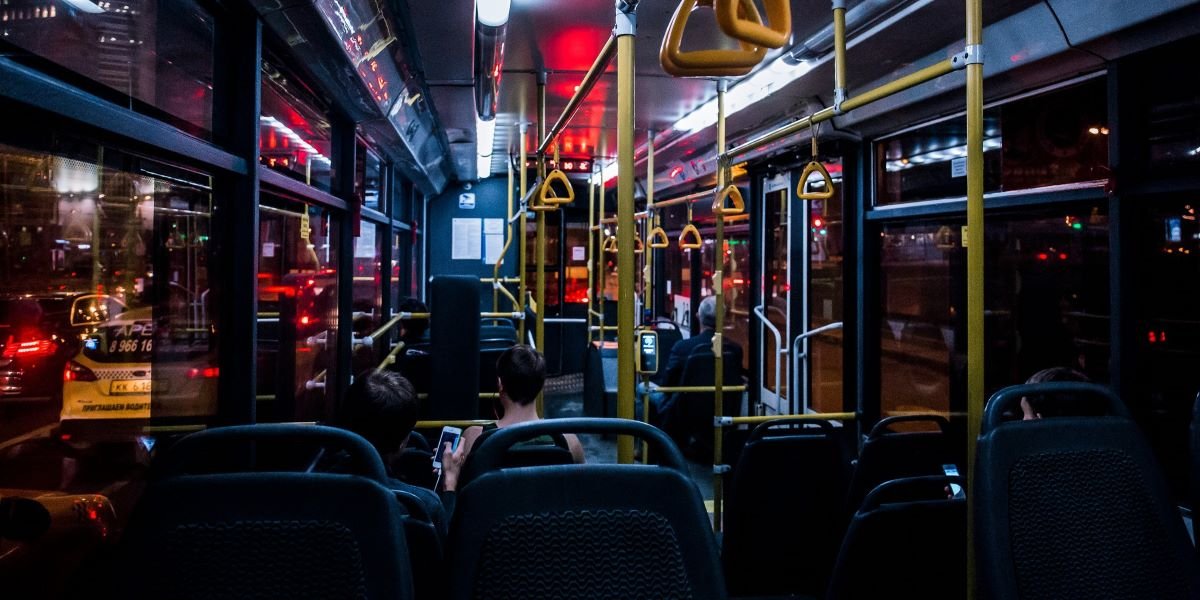

Construction is underway on a 2.5-mile redesign of 116th Street in Harlem and East Harlem that will install dedicated bus lanes, protected bike infrastructure, and pedestrian safety upgrades across one of Manhattan’s most transit-dependent corridors. Mayor Zohran Kwame Mamdani and NYC Department of Transportation Commissioner Mike Flynn announced the groundbreaking on August 31, targeting a stretch of roadway where bus speeds in some sections have fallen below 4 miles per hour, roughly half the citywide average. The project area spans 116th Street from Morningside Avenue to Pleasant Avenue, covering a corridor that serves 65,000 daily bus riders across 10 routes and connects to five subway lines.
Key Takeaways
- The project will add 24/7 red-painted bus lanes in both directions from Fifth Avenue to Pleasant Avenue, along with dedicated “queue jump” traffic signals that give buses a green light before other vehicles at intersections.
- Protected bike lanes will be installed on Pleasant Avenue between East 120th and East 116th streets, connecting to existing infrastructure serving Randall’s Island and the Harlem River waterfront.
- Between 2020 and 2024, 317 people were injured in crashes within the project area, placing the corridor in the top 10 percent of Manhattan’s most dangerous roadways with 19.2 killed-or-severely-injured incidents per mile.
- Approximately 49,000 residents live within a quarter mile of the corridor, where 83 percent of households do not own a car and 85 percent commute by transit, walking, or biking.
- The redesign will repurpose 61 parking spaces for sidewalk extensions, pedestrian islands, speed humps, and daylighting improvements.
- Construction is expected to run through fall 2026 as part of the “Next Stop” initiative, a joint city-state plan targeting 50 priority bus corridors.
Buses on 116th Street Move Slower Than Pedestrians
The core problem the project addresses is speed, or the near-total absence of it. The M116, which runs the length of the corridor as a crosstown route, ranks among Manhattan’s slowest bus lines. In certain sections of 116th Street during midday hours, buses travel at less than 4 miles per hour. For context, the average walking speed for an adult is roughly 3 to 4 miles per hour, meaning riders on the M116 are frequently moving no faster than they would on foot.
The cause is not a mystery. The corridor’s existing design uses 19-foot shared parking-and-travel lanes that force buses into the same space as double-parked vehicles, delivery trucks, and general traffic. Double and triple parking along 116th Street is the chief obstruction riders identify, according to DOT’s community outreach. With no dedicated lane, buses sit behind obstructions at every block, compounding delays across trips that are supposed to connect riders east-west between Morningside Park and the East River.
That sluggishness has a ripple effect across the transit network. The corridor is not an isolated bus route but a crosstown connection feeding into five subway lines. The 2, 3, 6, B, and C trains all intersect with 116th Street, along with the future Second Avenue Subway Q train extension. Riders transferring between bus and subway carry the delays of one system into the other. For the 65,000 people who ride buses along 116th Street each day, slow service is not an inconvenience. It reshapes how long it takes to get to work, how reliably they can make medical appointments, and how much of their day is consumed by a commute that the transit network was designed to make efficient.
The Redesign Replaces Shared Lanes With Dedicated Bus Infrastructure
The 116th Street project will install 24/7 red-painted bus lanes in both directions from Fifth Avenue to Pleasant Avenue. The “24/7” designation is significant because it eliminates the ambiguity of part-time bus lanes, which are often treated as general parking or travel lanes during off-peak hours and lose their effectiveness. Red paint signals to drivers that the lane is exclusively for bus use at all times, and the MTA’s M116 buses are already equipped with automated camera enforcement systems that can ticket vehicles for illegal double parking, blocking bus stops, or traveling in the bus lane.
At intersections, the project will install queue jumps, a dedicated traffic signal phase that gives buses a green light several seconds before the general traffic signal changes. Queue jumps allow buses to clear intersections ahead of car traffic and re-enter the travel lane with momentum, reducing the stop-and-start pattern that accounts for a significant portion of urban bus delay. DOT has pointed to the results of bus lanes on nearby Lexington Avenue as precedent. Those lanes improved bus speeds by 19 percent and reduced traffic injuries by 24 percent, providing a concrete local comparison for projected outcomes on 116th Street.
To create the physical space for dedicated bus lanes, DOT will eliminate the 19-foot shared parking-and-travel lanes and repurpose 61 parking spaces across the corridor. Those spaces will be converted into sidewalk and curb extensions, pedestrian median islands, speed humps, on-street bike parking, and hardened daylighting at intersections. Hardened daylighting refers to physical barriers placed near crosswalks to prevent parking close to corners, improving sightlines between drivers and pedestrians at the points where turning-movement crashes are most likely to occur.
The Corridor’s Crash History Underscores the Safety Dimension
The project is not framed solely as a transit speed improvement. Between 2020 and 2024, 317 people were injured in crashes within the project area, according to data compiled by NYPD and DOT. Of those, 80 were pedestrians, 63 were cyclists, and 162 were motor vehicle occupants. Twenty people suffered severe injuries, and one person was killed. The corridor’s rate of 19.2 killed-or-severely-injured incidents per mile places it in the top 10 percent of Manhattan’s most dangerous corridors, and DOT has designated it a Vision Zero Priority Corridor and Zone.
Two intersections along the corridor carry additional designations as Vision Zero Priority Intersections: Lexington Avenue and 116th Street, and First Avenue and 116th Street. The redesign addresses both locations with new traffic signals, pedestrian islands, and the elimination of certain left-turn movements from 116th Street onto Park Avenue, where elevated rail columns obstruct sightlines and create blind spots for drivers approaching crosswalks.
The safety upgrades extend beyond the bus lane footprint. Three new midblock crosswalks will be installed along the corridor, providing formal crossing points in stretches where pedestrians currently cross without signals or marked paths. A speed hump on East 120th Street between First Avenue and Pleasant Avenue will target vehicle speeds on a connecting street. A DOT Art mural planned for the intersection of East 120th Street and Pleasant Avenue will serve as both a public art installation and a visual traffic-calming element.
116th Street Is One Piece of a 50-Corridor Citywide Plan
The 116th Street project is one component of “Next Stop: Fast Buses, Better Service,” a comprehensive city-state initiative unveiled by Mayor Mamdani and Governor Kathy Hochul in July 2026. The plan identifies 50 priority corridors for bus lane installation, signal upgrades, and infrastructure redesigns, with the goal of making buses up to six minutes faster on more than 175 routes across the five boroughs.
Since January 2026, the Mamdani administration has advanced bus-priority projects on corridors including Fordham Road, 161st Street, and Tremont Avenue in the Bronx; 34th Street, Madison Avenue, and Lexington Avenue in Manhattan; Marcy Avenue, Flatbush Avenue, Utica Avenue, Church Avenue, and Linden Boulevard in Brooklyn; Victory Boulevard on Staten Island; and Broadway in Queens. The breadth of the list reflects a strategy of building bus infrastructure across all five boroughs simultaneously rather than concentrating investment in a single geography.
For the 49,000 residents who live within a quarter mile of the 116th Street corridor, the redesign addresses a transit equity issue as much as a speed problem. The neighborhood’s demographics tell the story plainly: 83 percent of households do not own a car, compared to 55 percent citywide. Eighty-five percent of residents commute to work by transit, walking, or biking, compared to a citywide rate of 71 percent. In a community where the overwhelming majority of residents depend on public transportation, the speed of bus service directly determines how much time those residents spend getting to and from work, school, medical care, and every other daily obligation that requires crossing Manhattan.
Construction on the 116th Street redesign is expected to continue through fall 2026. DOT has advised drivers to use alternative routes or allow additional travel time during the construction period. For riders on the M116 and the nine other routes serving the corridor, the temporary disruption carries the promise of a permanent change in how quickly they can move through a neighborhood that has waited years for its buses to outpace a walking commute.