
In a single week, a customer might browse a brand’s app or one of its social media profiles, open a promotional email, visit a physical store, and ask a question through chat. At most of these stops, they expect the brand to recognize them.
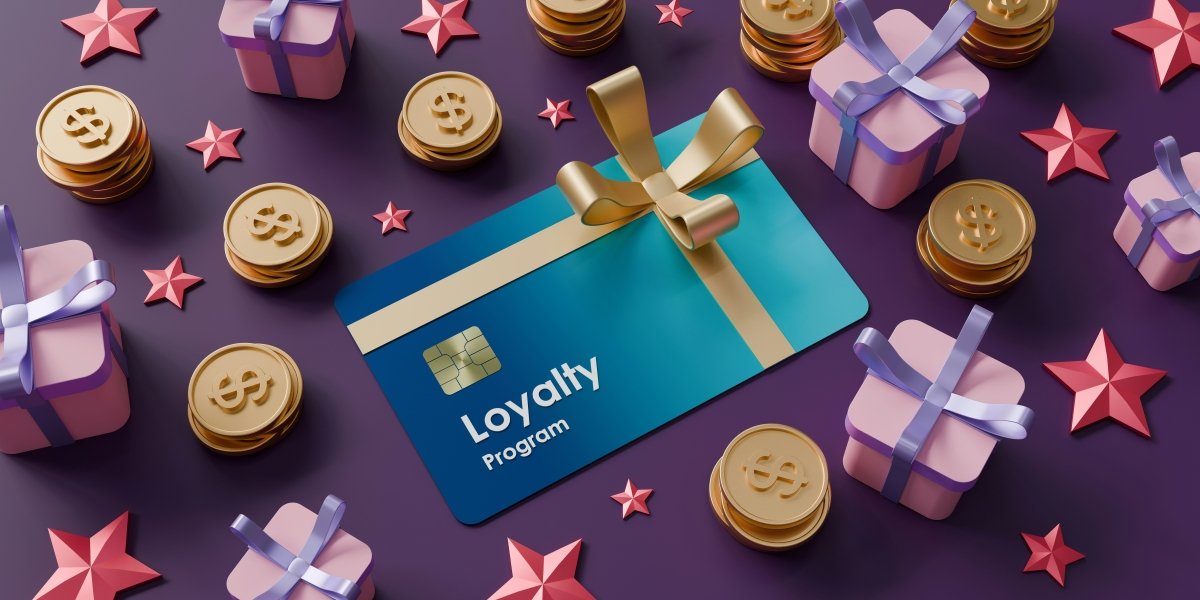
Expectations are high, but one strategy is well placed to meet them: loyalty programs. The rewards for getting it right are significant. According to the 2026 Bond Loyalty Report, 85% of consumers are more likely to keep doing business with a brand that has a loyalty program, and 73% spend more as a result.
To build this level of customer relationship, a brand needs a loyalty platform, the infrastructure that makes this recognition consistent. A robust loyalty platform connects data, rules, rewards, and communication, all woven together with AI assistance, so that personalization holds up across every channel a customer may use.
Personalization: A Core Value of Loyalty Strategy
For most consumers, personalization is now simply expected. McKinsey research found that 71% of consumers expect companies to deliver personalized interactions, and 76% get frustrated when that doesn’t happen.
Relevant offers also drive purchases: McKinsey reports that 65% of customers see targeted promotions as a top reason to buy. Companies that use targeted promotions to push incremental sales can see a 1% to 2% lift in sales and a 1% to 3% improvement in margins.
What customers value is also changing. Bond’s data shows that access, such as early looks and priority treatment, was the top loyalty driver in both 2025 and 2026. This suggests customers increasingly care about how brands recognize and prioritize them as well as how they reward them.
What a Loyalty Platform Does Across Channels
Delivering relevant rewards in every channel takes more than a points engine. A modern loyalty platform brings together several capabilities:
- A unified member profile that combines purchases, app activity, service interactions, and stated preferences into one view.
- Consistent earning and redemption rules, so a member can earn online and redeem in a store without friction.
- Real time decisioning that selects the next best offer based on current behavior rather than last quarter’s segment.
- AI assistance throughout the program lifecycle, from turning a business goal into a complete program blueprint, to recommending rules and segments for daily management, to anticipating churn and flagging fraud on the predictive side.
- Orchestrated communication that controls frequency and timing so members aren’t flooded with messages.
Forrester’s latest evaluation of the market reflects this direction. The analyst firm noted that enterprise loyalty platforms now use predictive analytics to identify what matters most to each member and execute those engagements in real time. It also observed that AI now runs through multiple layers of these platforms, from chat assistants to purpose-built models that tailor offers and rewards to individual customers, while still leaving room for the practitioner.
Adapting Rewards to Markets and Segments
Personalization also has a geographic dimension. Research by Comarch and the Global Loyalty Organisation found that consumers belong to 10 loyalty programs on average, though the number varies by region.
Participation is lower in mature markets such as the UK and Denmark, where saturation and program fatigue set in, and higher in developing markets such as Brazil and Saudi Arabia. That means that a reward structure that works in one country can fall flat in another.
This is where a flexible loyalty platform proves its value. Fielo, for example, worked with an apparel retailer operating in Australia, New Zealand, and South Africa that needed to manage four brand programs. Fielo delivered a single platform with connected online and in-store experiences, which produced a 2% market share gain and $5M in sales impact. Running several programs from one place allows brands to personalize by market and brand without fragmenting customer data.
Turning Data Into Rewards That Feel Personal
Brands that want to strengthen personalization can start with a few practical moves:
- Tailor offers by membership level. McKinsey notes that marketers can give loyalty members more granular, personalized promotions, with the depth of each discount tied to membership level.
- Offer recognition alongside discounts. Early access, priority service, and exclusive experiences often carry more weight than another coupon.
- Measure preference as well as participation. Bond estimates that roughly $94 billion in yearly consumer spend is still contested between competing brands, and consumer dollars are concentrating among fewer preferred brands.
Final Thoughts
According to a Harvard Business Review article, more than 80% of respondents in a BCG survey of 5,000 global consumers say they want and expect personalized experiences. Yet two-thirds have experienced personalization that was inappropriate, inaccurate, or invasive.
In other words, more personalization is not always better. There’s a difference between “Wow, they know me!” and “Wow, they’re stalking me!” For marketers, the lesson is to personalize with intent. Every offer should be relevant, well timed, and backed by a real understanding of the member and, of course, respect for their privacy.
A reliable loyalty platform gives marketers the unified data, flexible rules, and coordinated communication needed to deliver personalized rewards at scale across every touchpoint without crossing that line. Customers will reward the brands that get it right.