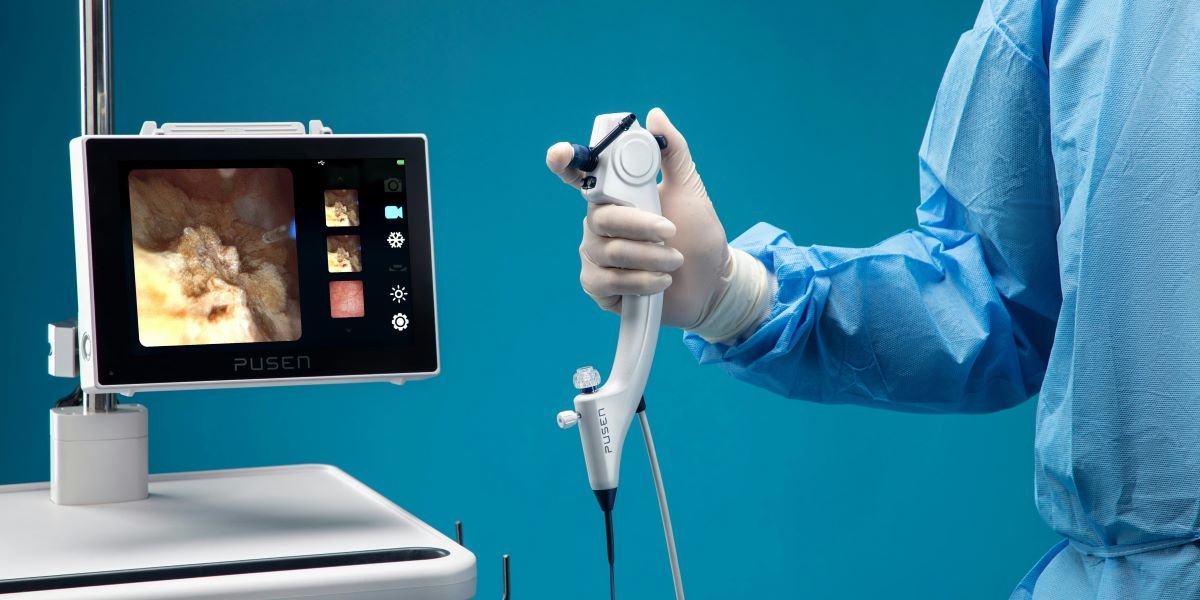

Mount Sinai Health System and NYCEDC have opened the Comprehensive Center for Surgical Innovation, a $23 million medical device development center spread across three facilities at The Mount Sinai Hospital. The project began with an $11.6 million city grant in 2022, when plans called for a single 7,000-square-foot site on the Mount Sinai West campus.
Key Takeaways
- The Comprehensive Center for Surgical Innovation was announced November 19, 2026, and spans three facilities in the Atran and Annenberg buildings at The Mount Sinai Hospital.
- NYCEDC’s LifeSci NYC initiative contributed $11.6 million, with the rest coming from Mount Sinai’s Department of Neurosurgery, ventures launched through Mount Sinai BioDesign, and health system donors.
- The original 2022 plan described a 7,000-square-foot surgical research facility on the Mount Sinai West campus in Midtown.
- Mount Sinai BioDesign is validating and testing more than 15 innovation concepts across more than 10 areas of health care.
- Beginning in 2027, Elementa Labs will run a six-month residency for two to four early-stage health technology companies inside the BioDesign Incubator Lab.
A 2022 City Grant Set the Project in Motion
The Comprehensive Center for Surgical Innovation traces back to August 2022, when NYCEDC announced $26.6 million in awards through LifeSci NYC, its $1 billion life sciences initiative. The City College of New York received $15 million for an incubator in West Harlem. Mount Sinai Health System received $11.6 million to build a surgical innovation center.
The plan at the time was specific. NYCEDC described the Comprehensive Center for Surgical Innovation as a 7,000-square-foot surgical research facility with an imaging and rapid prototyping facility on the Mount Sinai West hospital campus. The center’s director in that announcement was the president of Mount Sinai West.
The Center Opened on the Main Hospital Campus Instead
Four years later, the Comprehensive Center for Surgical Innovation opened in a different form. Instead of one West Side facility, the $23 million center occupies three sites inside The Mount Sinai Hospital’s Madison Avenue campus on Manhattan’s Upper East Side. Neither Mount Sinai nor NYCEDC has publicly explained why the plan shifted.
The funding also grew beyond the city’s share. The $11.6 million LifeSci NYC grant covers roughly half the budget. Mount Sinai’s Department of Neurosurgery, ventures launched through Mount Sinai BioDesign, and health system donors supplied the rest. That mix is worth noting: companies that came out of the incubator are now helping pay for the space the next round of projects will use. The campus also sits a short walk from Central Park’s north end, where the city recently began a $35.7 million recirculation project aimed at curbing Harlem flooding.
Three Floors Map the Path From Prototype to Preclinical Testing
The layout of the Comprehensive Center for Surgical Innovation follows the order a medical device moves through development. On the MC level of the Atran Building, the Mount Sinai BioDesign incubator lab handles device design, prototyping, fabrication, and preparation for U.S. Food and Drug Administration review. Its equipment includes 3D printers and a computer numerical control machine.
On the 12th floor of the Annenberg Building, the Surgical Innovation Center and Human Anatomy Lab supports surgical simulation and device evaluation. It includes robotic and digitally integrated surgical suites, bench-top testing, and cadaver-based validation, plus expanded office space for Mount Sinai’s clinical trials program. On the 26th floor, the Pre-Clinical OR Angio Suite is a large-animal research facility for preclinical device testing. Its imaging-enabled angiography suite serves as an operating room for evaluating endovascular devices and surgical systems.
The vertical arrangement is the point. Mount Sinai BioDesign says its engineers work down the corridor from operating rooms. “Developing cutting-edge medical technologies starts with a clear understanding of the clinical problems we’re trying to solve,” said Evan L. Flatow, MD, Dean for Clinical Affairs at the Icahn School of Medicine at Mount Sinai.
Mount Sinai BioDesign Opens the Space to Outside Companies
Mount Sinai BioDesign, the incubator behind the center, was launched by Mount Sinai’s Department of Neurosurgery in 2014. It is currently validating and testing more than 15 innovation concepts across more than 10 areas of health care, and the new facilities are expected to let the team evaluate more ideas.
The center is not only for internal projects. Mount Sinai BioDesign says it is accepting new partnership proposals that use the renovated facilities, and inventors can schedule a one-on-one discussion with its directors. Beginning in 2027, Mount Sinai Innovation Partners’ Elementa Labs will run a six-month residency in the Incubator Lab for two to four early-stage companies. Each company receives a dedicated bench, a paired Mount Sinai physician or surgeon, up to 120 hours of engineering support, and access to the prototyping shop and Surgical Innovation Center.
“Medical innovation depends on bringing together people with different perspectives and expertise to challenge the way things have always been done,” said Joshua B. Bederson, MD, Chair of the Department of Neurosurgery at Mount Sinai Health System.
The Center Joins a Wider Push for City-Backed Research Space
NYCEDC places the Comprehensive Center for Surgical Innovation alongside two other projects. In October, the city announced a $29.2 million award for NYU’s Quantum Fabrication Facility, a 23,000-square-foot space at 770 Broadway backed by an additional $255 million from NYU and expected to open in 2030. NYCEDC is also advancing SPARC Kips Bay, a planned life sciences, career, and education hub.
NYCEDC Chief Operating Officer Jeanny Pak said the partnership is meant to grow the city’s life sciences sector and create jobs. Neither Mount Sinai nor NYCEDC has published hiring figures for the center, so its jobs impact will become clearer as the partnerships and residencies fill. The center adds to a broader effort to keep medical talent in the city, including New York’s $48.3 million in student loan repayment awards to 352 healthcare providers.
FAQs
Where Is the Mount Sinai Comprehensive Center for Surgical Innovation Located?
The center spans three facilities at The Mount Sinai Hospital in Manhattan. They are on the MC level of the Atran Building and the 12th and 26th floors of the Annenberg Building.
How Much Did New York City Contribute to the Center?
NYCEDC contributed an $11.6 million grant through its LifeSci NYC initiative. The rest of the $23 million cost came from Mount Sinai’s Department of Neurosurgery, ventures launched through Mount Sinai BioDesign, and health system donors.
Can Outside Medical Device Companies Use the Center?
Yes. Mount Sinai BioDesign is accepting partnership proposals that use the new facilities, and starting in 2027, Elementa Labs will host two to four early-stage companies at a time in a six-month residency.
What Is Mount Sinai BioDesign?
Mount Sinai BioDesign is a medical technology incubator launched by Mount Sinai’s Department of Neurosurgery in 2014. It works with clinicians, engineers, and companies on device design, prototyping, testing, and preparation for clinical research.