The restorative power of nature has been recognized across cultures for centuries, but modern research now confirms what intuition long suggested—time spent in natural environments provides measurable benefits for mental health. From urban parks to wilderness areas, green spaces offer a respite from the overstimulation of modern life, helping to reduce stress, improve mood, and enhance cognitive function. These psychological benefits emerge through multiple pathways, combining sensory experiences, physical activity, and shifts in attention that together create a natural antidote to the pressures of contemporary living.
Stress Reduction Through Natural Immersion
The human nervous system responds uniquely to natural environments, triggering physiological changes that promote relaxation. Studies measuring cortisol levels, heart rate variability, and blood pressure consistently show that time in nature reduces markers of stress. The phenomenon appears rooted in evolutionary biology—humans spent most of their history in natural settings, and our stress response systems seem to recognize such environments as safe havens. Even brief exposure to greenery, such as viewing trees from a window or walking through a park, can initiate this calming effect.
Natural sounds play a significant role in stress reduction. The gentle patterns of wind through leaves, water flowing over rocks, or birdsong create what researchers call “acoustic camouflage,” masking harsh urban noises that trigger stress responses. These natural soundscapes engage the brain differently than mechanical noises, allowing the mind to enter a more meditative state without conscious effort. The visual complexity of natural scenes—fractal patterns in tree branches or cloud formations—similarly captures attention in a gentle, restorative way that contrasts with the jarring stimuli of digital screens and urban environments.
The duration of nature exposure needed for stress relief varies by individual and circumstance, but benefits often appear with surprisingly modest doses. As little as twenty minutes in a park can lower cortisol levels significantly, while longer immersion allows for deeper relaxation. Regular exposure appears more impactful than occasional lengthy excursions, suggesting that incorporating nature into daily routines may provide the most consistent stress management benefits.
Mood Enhancement and Emotional Regulation
Contact with nature consistently correlates with improved mood and emotional wellbeing across diverse populations. The mechanisms behind this effect appear multifaceted, combining increased physical activity, sunlight exposure, and psychological factors. Natural light helps regulate circadian rhythms and serotonin production, both crucial for mood stability. The expansive views common in natural settings may also provide symbolic perspective that helps diminish negative thought patterns.
People experiencing symptoms of depression often report particular benefit from nature exposure. The gentle stimulation of natural environments appears to engage attention without demanding the cognitive effort required by urban settings. This effortless attention allows fatigued minds to rest while still receiving sensory nourishment. The changing seasons and cycles observed in nature may also provide comforting reminders of renewal and the temporary nature of emotional states.
Group activities in nature amplify these mood benefits through social connection. Shared experiences in natural settings often foster deeper bonding than equivalent time spent indoors. The combination of physical activity, sensory richness, and absence of digital distractions creates ideal conditions for meaningful interaction. These social-nature interactions may explain why community gardening programs and outdoor group therapy sessions show particular promise for improving participants’ emotional wellbeing.
Cognitive Restoration and Improved Focus
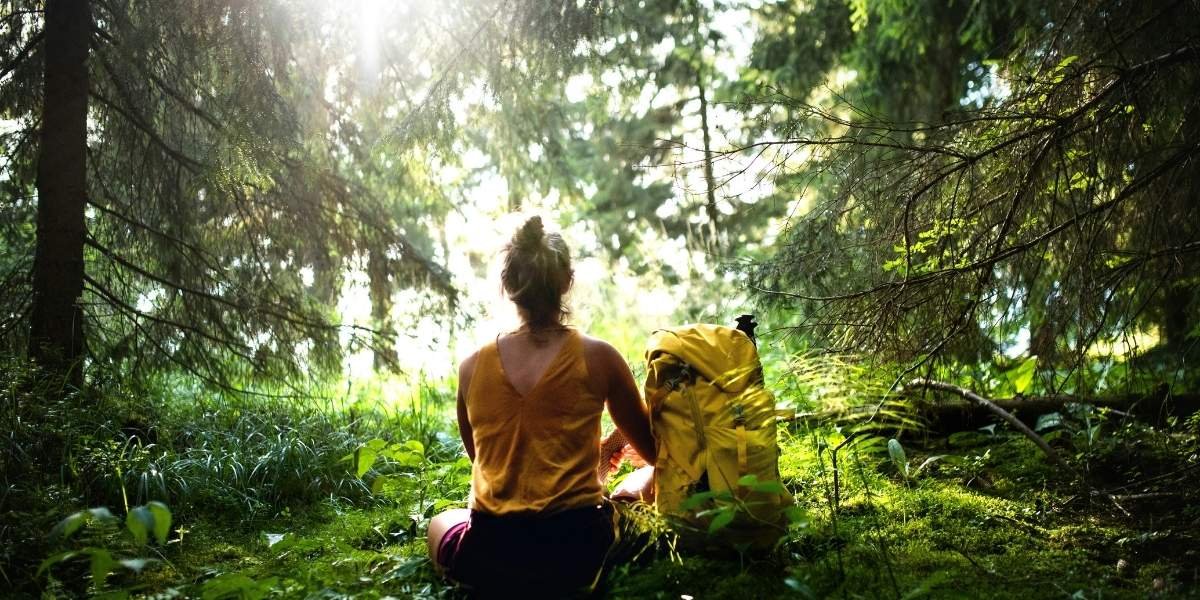
Modern life makes constant demands on directed attention—the focused concentration required for work, problem-solving, and navigating complex environments. Nature provides what attention restoration theory describes as “soft fascination,” allowing tired cognitive resources to replenish. The effortless engagement with natural elements—watching clouds drift or leaves flutter—gives the brain’s executive functions opportunity to recover from fatigue.
This restorative effect has measurable impacts on cognitive performance. Students who spend time in nature between study sessions often demonstrate better retention and problem-solving abilities. Office workers with views of greenery typically report higher job satisfaction and lower mental fatigue. The improvements appear particularly pronounced for creative thinking, with many people reporting enhanced idea generation and problem-solving after time spent outdoors.
Children show special sensitivity to nature’s cognitive benefits. Those with regular access to green spaces tend to demonstrate better concentration, impulse control, and academic performance. The unstructured play opportunities in natural environments appear to develop executive functions in ways that structured, indoor activities cannot replicate. These findings have prompted some educational systems to incorporate more outdoor learning and green schoolyard designs.
Building Resilience and Life Perspective
Beyond immediate mood and cognitive effects, regular nature contact contributes to longer-term psychological resilience. The perspective gained from natural cycles—witnessing plants regrow after damage or landscapes change with seasons—can help people contextualize personal challenges. Many find that nature provides metaphors for growth, adaptation, and patience that inform their approach to difficulties.
The physical challenges often encountered in nature also build emotional resilience. Navigating uneven terrain, adapting to weather changes, or completing moderate hikes all provide opportunities to practice overcoming obstacles in a concrete, immediate way. These experiences create confidence that transfers to handling life’s metaphorical rough patches. The combination of manageable physical challenge and natural beauty creates particularly powerful conditions for building coping skills.
Ecotherapy approaches harness these benefits by intentionally incorporating nature into mental health treatment. While not replacing traditional therapies, these practices recognize nature as a co-therapist of sorts—a constant, nonjudgmental presence that offers multiple pathways to healing. Whether through guided wilderness experiences, horticultural therapy, or simple prescription of regular nature time, these approaches acknowledge environment as a key factor in psychological wellbeing.
The mental health benefits of nature exposure require no special equipment, training, or expense—only the decision to step outside and engage with the natural world. As research continues to illuminate the specific mechanisms behind these benefits, one truth remains clear: human wellbeing remains deeply intertwined with the living systems that surround us. In an increasingly urbanized and digitized world, maintaining this connection may represent one of the simplest yet most profound acts of self-care available to all.