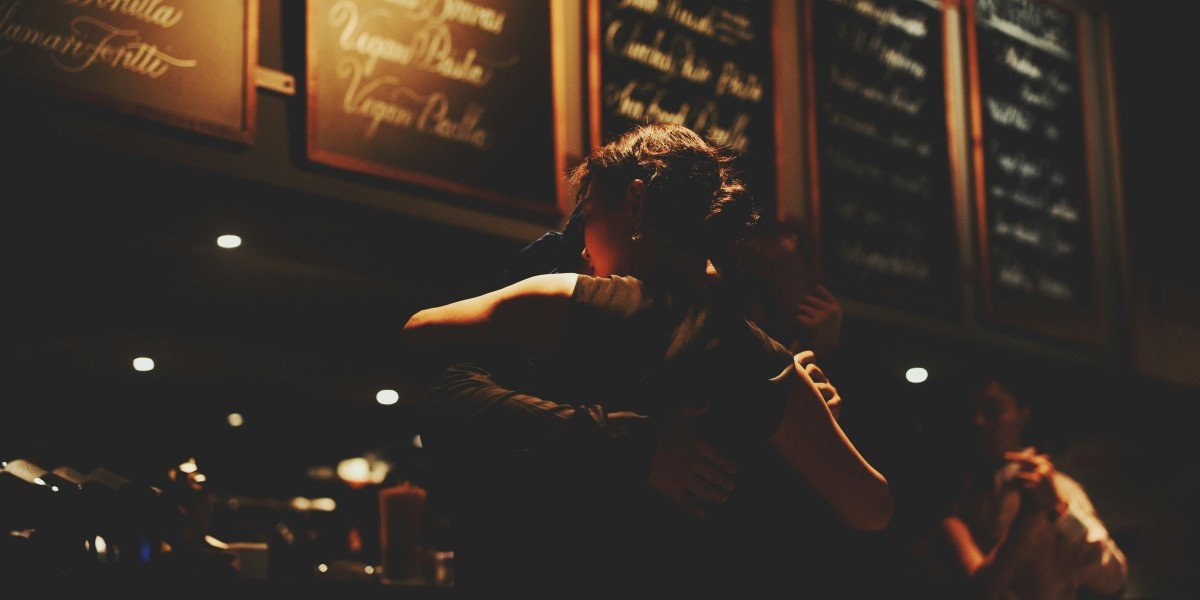

For a city famous for dancing until dawn, New York has long made it surprisingly hard to… dance.
That contradiction may finally be coming to an end.
Governor Kathy Hochul is advancing legislation to create a “hybrid restaurant-tavern license,” a move aimed at modernizing New York City’s nightlife economy and untangling decades-old rules that restrict live music and dancing in bars and restaurants.
“New York’s nightlife should reflect the energy, creativity, and diversity of our state — not outdated regulations,” Hochul said while outlining the proposal. “This is about letting small businesses thrive while keeping New Yorkers safe.”
If passed, the new license would allow venues to serve food, sell alcohol, host music, and permit dancing under a single classification, eliminating the legal gray areas that have frustrated owners, artists, and patrons for years.
A Longstanding Problem for a 24-Hour City
Under current rules, many NYC establishments must navigate a maze of licenses and zoning definitions to host dancing or live performances — even when the activity is spontaneous or limited in scope.
The result: diners asked to sit down mid-song, DJs told to lower volumes, and dance floors that exist unofficially until inspectors arrive.
“We’re a city where culture happens organically,” said a Brooklyn bar owner. “But the laws treat dancing like a special event instead of a natural part of nightlife.”
Industry advocates say the regulations date back to a time when nightlife was viewed primarily as a public order issue — not an economic engine.
Why the Hybrid License Matters
The proposed hybrid restaurant-tavern license is designed to reflect how modern venues actually operate — especially in neighborhoods like Brooklyn, Harlem, and Lower Manhattan, where food, music, and social spaces overlap seamlessly.
“Most places today aren’t just bars or restaurants — they’re cultural hubs,” said a hospitality industry lobbyist. “This proposal finally acknowledges that reality.”
Supporters argue the change could:
- Reduce compliance costs for small businesses
- Encourage live music and DJ programming
- Boost foot traffic and late-night spending
- Strengthen NYC’s post-pandemic nightlife recovery
For performers and DJs, the implications are just as significant.
“This could mean more gigs, more stages, and more freedom to create,” said a local DJ who frequently plays pop-up sets across the city. “New York has the talent — we just need the space to let it breathe.”
Economic Stakes Beyond the Dance Floor
Nightlife is big business in New York. Before the pandemic, the city’s nightlife economy generated billions in annual revenue and supported tens of thousands of jobs across hospitality, entertainment, and transportation.
City officials and business groups say streamlining licensing could help stabilize an industry still recovering from closures, rising rents, and staffing shortages.
“This isn’t just about fun — it’s about economic sustainability,” said a Manhattan restaurant operator. “When people stay longer, they spend more. Dancing matters.”
Balancing Freedom and Regulation
Not everyone is fully convinced. Some community groups have raised concerns about noise, crowd control, and enforcement.
State officials say safeguards will remain in place.
“This proposal doesn’t eliminate oversight,” a spokesperson for Hochul’s office said. “It modernizes it — ensuring safety while allowing venues to operate realistically.”
The legislation would still require compliance with noise ordinances, safety codes, and local community standards.
For many New Yorkers, the proposal represents more than regulatory reform — it’s a philosophical shift.
“Dancing is part of this city’s DNA,” said a longtime nightlife advocate. “From salsa in the Bronx to house music in Brooklyn, culture shouldn’t need a special permit to exist.”
If approved, the hybrid license could mark a turning point — one where New York finally aligns its laws with the rhythm of its streets.
And for a city that never sleeps, that might mean it can finally dance freely again.