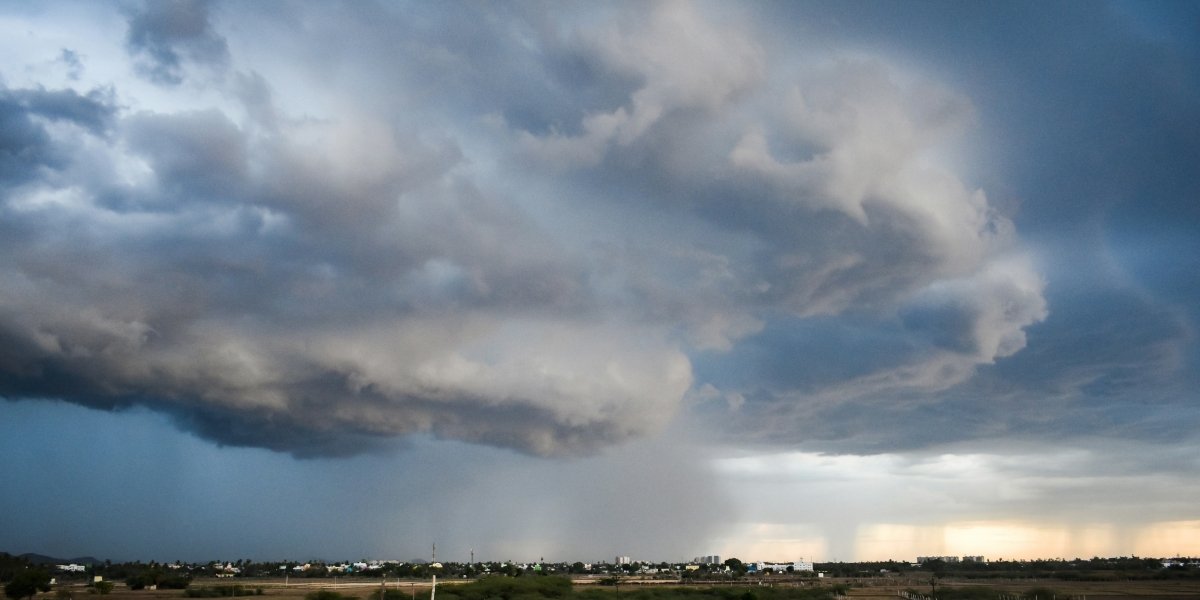

A massive winter storm known as a bomb cyclone brought New York City to a standstill on February 24, 2026. The storm moved quickly up the East Coast, bringing heavy snow, powerful winds, and freezing temperatures to all five boroughs. In response to the dangerous conditions, Mayor Zohran Mamdani declared a citywide State of Emergency. This official order allowed the city to close schools, pause non-essential travel, and focus all available resources on keeping the main roads clear.
A Powerful Weather Event
A bomb cyclone occurs when atmospheric pressure drops very quickly, causing a storm to strengthen rapidly. For New York City, this resulted in visibility dropping to near zero in many neighborhoods. By the early hours of the morning, several inches of snow had already covered the streets, and wind gusts reached speeds that made it difficult for pedestrians to walk safely.
The timing of the storm created significant challenges for the morning commute. To ensure public safety, the Mayor’s office urged residents to stay off the roads. By declaring a state of emergency, the city was able to restrict travel to emergency vehicles only in certain high-risk areas. This move was intended to prevent cars from getting stuck and blocking the path of snowplows and ambulances.
The City’s Infrastructure Response
New York City’s Department of Sanitation launched one of its largest operations in recent years. More than 2,600 sanitation workers were assigned to 12-hour shifts to manage the snow removal. The city deployed 2,300 plows and nearly 800 salt spreaders to cover the thousands of miles of city streets.
Mayor Zohran Mamdani spoke to reporters from a command center in Manhattan to provide updates on the city’s progress. He emphasized that the safety of the workers and the public was the top priority.
“Our teams have been working through the night to keep the primary routes open for emergency services. We have over 2,600 workers and 2,300 plows on the ground right now. The wind is making this a very difficult fight, but we are committed to keeping this city moving as safely as possible.”
In addition to snow removal, the city worked closely with energy providers like Con Edison to prepare for potential power outages. The high winds posed a threat to power lines, particularly in areas with many trees, like Staten Island and parts of Queens. Crews were placed on standby to repair any downed lines as soon as the wind speeds allowed for safe work.
Disruptions to Transit and Travel
The storm caused widespread disruptions to the region’s transportation network. The Metropolitan Transportation Authority (MTA) reported significant delays on the subway system, particularly on outdoor tracks where snow and ice built up quickly. Some bus routes were suspended entirely because the narrow streets in some neighborhoods became impassable for large vehicles.
Air travel was also severely affected. The three major airports serving the area—John F. Kennedy International, LaGuardia, and Newark Liberty—grounded thousands of flights. Travelers were seen waiting in terminals as airlines worked to rebook passengers. Airport officials noted that the combination of heavy snow and high winds made it impossible for planes to take off or land safely for most of the day.
A spokesperson for the Port Authority of New York and New Jersey provided a statement on the situation at the airports:
“The safety of our passengers and crew is our absolute priority. Given the intensity of the wind and the rate of snowfall, we had no choice but to suspend operations. We are working around the clock to clear the runways so that we can resume a normal schedule as soon as the storm passes.”
Schools and Public Services Close
For the millions of students in the New York City Public Schools system, the storm meant a transition to remote learning. Following the state of emergency declaration, the city announced that all school buildings would be closed for the day. While this kept students and teachers safe from the elements, it also tested the city’s digital infrastructure.
Public libraries, community centers, and many government offices also remained closed. The city opened several emergency warming centers for residents who might experience power outages or who did not have adequate heating in their homes. These centers were staffed by volunteers and provided a safe, warm space for those in need.
Looking Toward Recovery
As the bomb cyclone begins to move away from the coast, the focus will shift toward the long process of recovery. Even after the snow stops falling, the freezing temperatures will remain a concern. Wet streets can quickly turn into “black ice,” creating dangerous conditions for drivers and pedestrians alike.
The city’s Department of Buildings has reminded property owners that they are responsible for clearing the sidewalks in front of their buildings. Failing to do so can result in fines and, more importantly, poses a slip-and-fall risk to neighbors.
The 2026 bomb cyclone serves as a reminder of the power of nature and the importance of a prepared urban infrastructure. While the storm caused significant disruptions, the coordinated response from the Mayor’s office, sanitation workers, and transit officials helped prevent a major disaster. New Yorkers are known for their resilience, and as the plows continue their work, the city is already preparing to return to its usual busy pace.