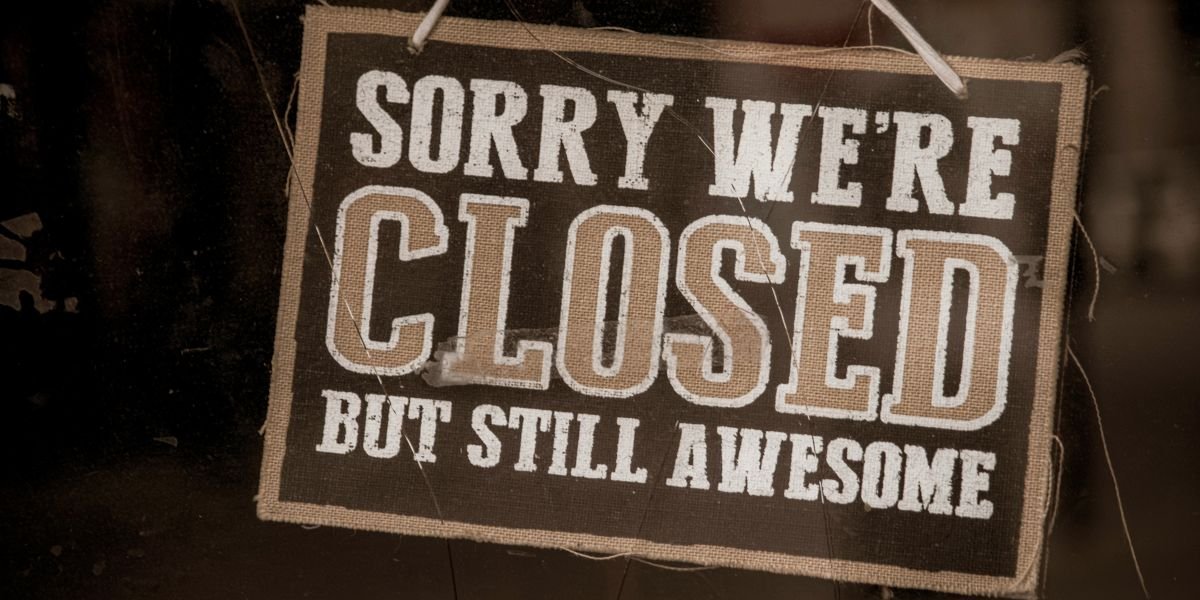

New York City’s restaurant scene has always thrived on reinvention. But this January, a wave of high-profile restaurant closures across Manhattan, Brooklyn, and Queens is underscoring a harder truth: the economics of running a restaurant in New York are shifting — fast.
From legacy bistros to neighborhood mainstays, dozens of dining rooms have gone dark in recent weeks, not for lack of customers, but because rising rents, labor costs, and changing consumer behavior are squeezing operators from every direction.
Iconic Spots, Familiar Pressures
Among the most notable closures is Café Un Deux Trois, the Midtown French restaurant that served theatergoers and office workers for nearly five decades. Its shutdown sent a clear signal that even long-established institutions are not immune.
In Brooklyn, Emphasis Restaurant Café in Bay Ridge announced its permanent closure earlier this month, citing mounting operational challenges. In a public statement shared with customers, the owners wrote:
“It is with great sadness to announce that Emphasis Diner will be closing its doors for good. This decision was not made lightly.”
That sentiment has echoed across the city, from Greenwich Village ramen shops to family-run diners that survived COVID-era shutdowns only to falter under today’s cost structure.
The Economics Behind the Exits
According to industry groups, rent inflation remains the single biggest pressure point, particularly in Manhattan corridors where commercial leases have rebounded faster than foot traffic. Add to that higher food costs, insurance premiums, and wage increases, and margins that were already thin have all but disappeared.
Melissa Fleischut, president and CEO of the New York State Restaurant Association, has warned repeatedly that many operators are operating without a safety net.
“Restaurants are facing unprecedented cost pressures — from labor to rent to supply chains,” Fleischut said in a recent statement. “For many small businesses, there’s simply no more room to absorb increases.”
Even restaurants that are full on weekends report struggling to make weekday service profitable, especially as office attendance remains uneven and consumers dine out more selectively.
Changing How — and Where — New Yorkers Eat
Beyond costs, consumer behavior is evolving. Diners are spending more intentionally, favoring fewer outings, special-occasion meals, or fast-casual concepts over traditional sit-down service. Delivery and takeout remain part of the mix, but commission fees continue to eat into margins.
“People are still eating out,” said one Manhattan restaurateur who recently closed a second location. “They’re just doing it differently — and the math doesn’t work the way it used to.”
The result is a growing divide: well-capitalized restaurant groups can weather the shift, while independent operators without deep reserves are forced to make painful decisions.
A City Still Opening — Even as It Closes
Despite the closures, New York’s food ecosystem is far from retreating. New restaurants continue to open — often backed by investors, hospitality groups, or global brands with more financial flexibility.
But the churn tells a deeper story about who can survive in the city’s current economy. The restaurant industry, long a gateway for immigrant entrepreneurship and small business ownership, is becoming increasingly difficult to access without scale or capital.
What the Closures Signal
For city officials and policymakers, the trend raises questions about commercial rent regulation, small-business protections, and whether New York risks losing the very establishments that give neighborhoods their character.
For diners, it’s a reminder that the places that feel permanent often aren’t.
And for the industry, it’s a recalibration moment.
“New York restaurants are resilient,” Fleischut said, “but resilience alone can’t solve structural economic challenges.”
As the city moves deeper into 2026, the closures are not just endings — they are signals. Signals that New York’s restaurant economy is evolving, and that survival now depends as much on balance sheets as buzz.