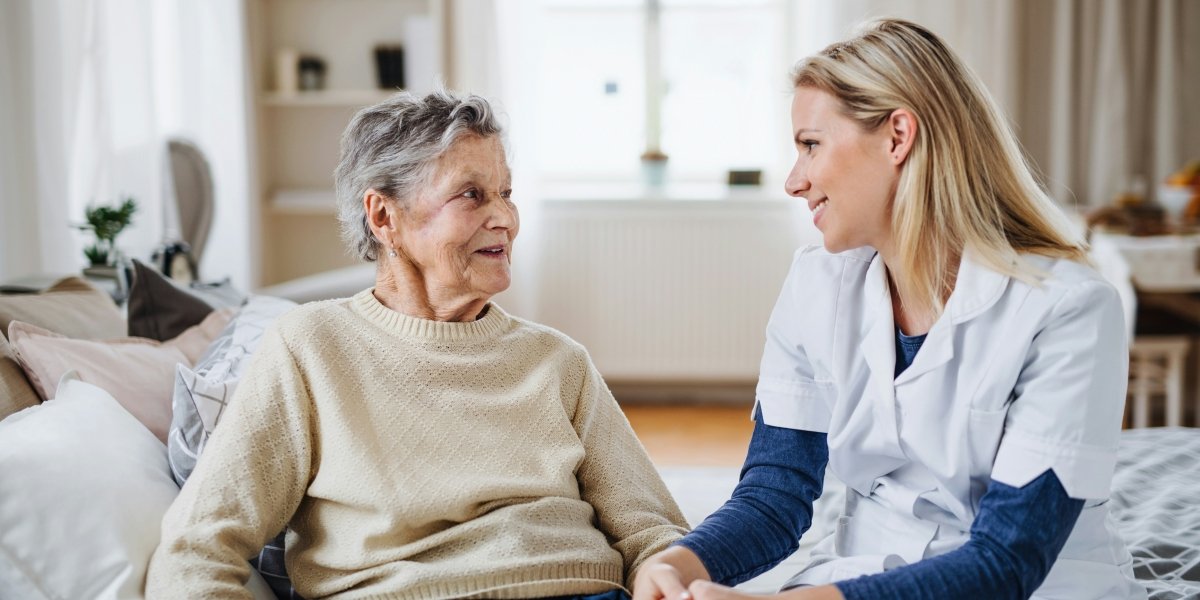


New York City has never been gentle on chronic illness. Long commutes, crowded apartments, and an overstretched healthcare system can turn day-to-day health management into a constant strain. As more New Yorkers live longer with complex conditions, families are beginning to rethink where meaningful care actually happens.
For many, the answer is no longer a facility or a cycle of hospital visits. It is skilled, consistent care delivered at home through private duty nursing.
Across the city, home-based care is becoming central to the management of chronic conditions. Patients want support that fits into real life—care that adapts to daily routines instead of forcing life to revolve around appointments, transportation, and institutional schedules.
Search behavior reflects that shift. Phrases like “private duty nursing Long Island” appear repeatedly as families look for dependable, skilled help at home when long-term or complex conditions become difficult to manage alone. Private duty nursing has emerged as a practical response, offering continuity and clinical oversight in the place where patients spend most of their time—and where subtle changes are often noticed first.
Why New York Is Rethinking Where Care Happens
New York’s healthcare system is quietly shifting, as mounting pressure on hospitals and long-term care facilities pushes more care into the home. For older adults living with multiple conditions, even simple daily tasks can become layered with medical decisions. Chronic illness rarely follows a clean arc, and care plans need to function on ordinary days, not just during moments of crisis.
At the same time, hospitals are discharging patients sooner. Recovery that once happened under clinical supervision now unfolds in living rooms and bedrooms across the city. Families are left managing medication changes, symptom monitoring, and follow-up care at home after procedures or flare-ups. While virtual check-ins can help, they often fall short when symptoms shift quickly or when instructions feel unclear in real-world settings.
Home-based healthcare now spans a wide spectrum of support. Some individuals rely on family members, neighbors, or home health aides for basic assistance. Others require skilled clinical oversight because conditions are unstable, medications are complex, or early warning signs are easy to miss. In these cases, care at home is not about convenience—it is about creating a safer environment where independence is preserved while clinical guidance remains close at hand.
What Private Duty Nursing Looks Like Inside the Home
Private duty nursing brings clinical judgment into the rhythm of everyday life. Rather than reacting to emergencies, the focus is on stability—spotting small shifts early and keeping care on track before problems escalate. For families who are unsure what is normal and what requires medical attention, that steady presence can reduce confusion and anxiety.
Core support typically includes:
- Ongoing monitoring and observation, with attention to subtle changes over time
- Medication oversight, including timing, side effects, and adherence support
- Coordination with physicians and care teams, sharing clear updates from the home
- Help with day-to-day medical needs, such as symptom tracking and basic clinical tasks
Education is another essential layer. Nurses help families understand what to watch for, how to use medical equipment safely, and how to follow care plans between doctor visits. Clear documentation and a defined escalation plan can lower stress when symptoms change and decisions need to be made quickly.
Above all, continuity matters. A regular nursing presence makes it easier to notice patterns, respond sooner, and keep home-based care aligned with medical guidance—day after day, not just during moments of crisis.
Supporting Patients Living With Neurological and Chronic Conditions
Neurological conditions rarely stay still. Symptoms can shift from one day to the next, sometimes subtly, sometimes without warning. Parkinson’s disease, for example, may affect movement, balance, sleep, and mood all at once. Medication timing becomes critical, and even small changes in coordination can quietly increase fall risk. Ongoing nursing support at home helps track those changes early, before they turn into emergencies.
Stroke recovery follows a similarly uneven path. Progress often comes in small gains, while setbacks can appear unexpectedly. Nurses can monitor changes in strength, speech, swallowing, or fatigue and share those observations with clinicians as they happen. Just as important, consistent support reinforces daily routines—safe mobility habits, therapy follow-through, and pacing—that support recovery over time.
Chronic illnesses add another layer of complexity. Symptoms like pain, shortness of breath, dehydration, or loss of appetite often overlap across conditions, making it difficult for families to know which changes matter most. Nurse-led observation helps separate normal fluctuations from warning signs that need follow-up, reducing uncertainty and delay.
With progressive conditions, the risk is quieter but just as real. Gradual decline can feel normal when it unfolds day by day. A consistent clinical presence makes it easier to recognize meaningful change, respond sooner, and adjust care before small issues become larger problems.
Benefits for Families and Caregivers in New York City
Caregiving in New York City can feel like nonstop decision-making. Between appointments, transportation, work schedules, and crowded living environments, even small health changes can become stressful fast. Private duty nursing helps ease that pressure by providing families with a clear, consistent point of clinical support in the home.
Relief often comes from knowing a trained professional is watching for red flags and keeping daily care organized—especially in a city where access to providers can involve delays and long wait times. Instead of reacting to problems late, families gain reassurance that changes are being noticed early.
Communication also becomes smoother. Nurses can track symptoms, share practical guidance, and help families navigate conversations with physicians more clearly. That support allows family members to step out of constant coordination mode and return to being partners, parents, or children—rather than full-time care managers.
For patients, stable routines matter. Predictable, coordinated care can lower stress and support confidence, particularly when recovery or long-term management happens in busy NYC households. When everyone understands the plan and knows what comes next, care feels steadier—and far less overwhelming.
The Role of Structured Home Care Providers
Private duty nursing is most effective when care stays organized, responsive, and aligned with real-life needs. As conditions evolve, support must adjust without creating gaps or confusion. This is where structured home care providers play an important role.
Beyond individual nursing visits, structured providers help with planning, scheduling, and continuity—especially when care needs shift over time. Some families combine private duty nursing with live-in or extended-hour care, allowing clinical oversight and daily support to work together seamlessly rather than as separate pieces.
Across Long Island, including Nassau and Suffolk Counties, private-duty nursing services are frequently used to support individuals managing chronic conditions at home. The demand reflects a broader need for care models that remain consistent, even as symptoms, schedules, or recovery phases change.
Providers that emphasize continuity and coordination—such as Affinity Home Care—offer private duty nursing alongside care management services throughout the New York metropolitan area. This structured approach helps families avoid fragmented care and reduces uncertainty during long-term treatment or recovery.
For families trying to understand how private duty nursing differs from other forms of home care, having a clear framework can make decision-making easier—especially during moments when care needs feel urgent or unclear. Visit Affinity Home Care’s website to learn more.
Looking Ahead: Care That Works Where Life Happens
As chronic conditions become more common, home-based care continues to play a larger role in how families support loved ones across New York City and the surrounding region. Many are looking for care that fits into daily life—rather than forcing life to revolve around appointments, facilities, or repeated hospital visits.
Private duty nursing strengthens home-based care by adding consistent clinical observation, medication oversight, and clearer coordination with physicians. When support remains steady at home, changes are more likely to be noticed early, routines become safer, and responses feel less rushed or reactive.
For patients and caregivers alike, better continuity can translate into fewer surprises, clearer next steps, and a day-to-day rhythm that feels more stable and manageable—especially when care needs are ongoing rather than temporary.
Disclaimer: This content is for informational purposes only and is not intended as medical advice, nor does it replace professional medical expertise or treatment. If you have any concerns or questions about your health, always consult with a physician or other healthcare professional.