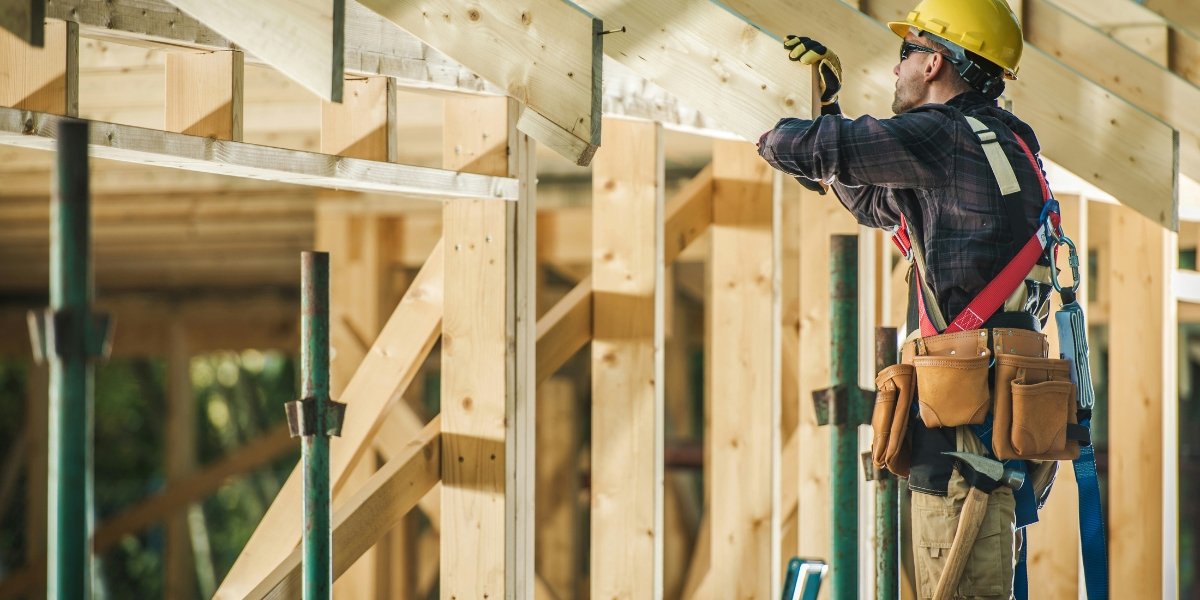

In a landmark move to address the mental health crisis in high-risk industries, New York City has introduced a groundbreaking law mandating mental wellness training for all construction workers. With the city’s skyline constantly evolving through the relentless efforts of its construction workforce, this new mandate seeks to ensure that workers not only have the tools to succeed on the job but also the mental health support needed to thrive in one of the most demanding professions.
This explores the significance of this new initiative, its potential impact on the construction industry, and how it could serve as a model for other cities to follow.
The Need for Mental Wellness in the Construction Industry
Construction workers are no strangers to stressful work environments. Long hours, physically demanding tasks, tight deadlines, and the high-stakes nature of large construction projects make it one of the most dangerous and mentally taxing professions. In fact, studies have shown that construction workers are at a higher risk for mental health challenges, including anxiety, depression, and substance abuse.
The introduction of mental wellness training is a direct response to this growing concern. By focusing on proactive mental health support, the NYC government aims to not only protect the well-being of workers but also improve the overall safety and productivity of construction sites. According to the New York City Council, this initiative is expected to reduce the number of accidents on construction sites while fostering a healthier work environment.
What Does the Mental Wellness Training Entail?
The new law mandates that all construction workers receive mental wellness training as part of their professional development. The program will include a range of topics, including stress management, recognizing signs of mental health struggles, and accessing mental health resources. Workers will also be taught how to create a supportive environment on the job site, making it easier for peers to seek help when needed.
The training is designed to be practical and accessible. It will be incorporated into existing safety training programs, allowing workers to gain mental wellness skills alongside their physical safety training. The city has partnered with mental health professionals and organizations to design a curriculum that is specifically tailored to the unique challenges faced by construction workers.
Impact on the NYC Construction Industry
This initiative comes at a time when the construction industry is under intense scrutiny, not only for the physical safety of its workers but also for the overall well-being of its workforce. According to reports, suicide rates in the construction industry are significantly higher than the national average, underscoring the urgent need for support systems.
By mandating mental wellness training, New York City is taking a bold step towards normalizing mental health care within high-risk professions. The hope is that this law will set a precedent for other industries to follow, encouraging businesses to implement similar wellness programs. Additionally, the city’s construction unions have voiced strong support for the initiative, recognizing that the mental health of workers is directly linked to the success and longevity of the industry itself.
The Broader Impact on Worker Retention and Productivity
Beyond the immediate health benefits, the law is expected to have a positive impact on worker retention. Many workers leave the industry due to burnout or mental health struggles. By addressing these issues head-on, NYC hopes to reduce turnover rates, improve job satisfaction, and attract a new generation of workers to the construction field.
The added benefit is that a mentally healthy workforce is often more productive, engaged, and efficient. By empowering workers to manage stress and recognize mental health warning signs, the industry can foster an environment of support, which ultimately leads to higher quality work and better outcomes for the city’s construction projects.
Expanding the Mental Wellness Initiative
While this initiative is a significant step for the construction industry, it’s not the first time New York City has taken bold action to improve worker conditions. The city has long been a leader in labor rights, advocating for better wages, safer working conditions, and now, improved mental health services.
This law’s success could pave the way for similar initiatives in other high-stress industries such as transportation, healthcare, and education. As mental health continues to take center stage in workplace discussions, other cities may look to NYC as a model for implementing similar policies to protect their own workforce.
The Role of Employers in Supporting Mental Wellness
While the law focuses on mandatory training for workers, employers play a critical role in supporting mental wellness on the job site. Construction companies in New York City will be required to provide the necessary resources and ensure that the training is accessible to all employees. This includes making mental health services available and fostering a culture that encourages workers to seek help when they need it.
For construction companies, this mandate also represents an opportunity to lead by example and set a new standard for the industry. Companies that prioritize the mental well-being of their workers are likely to see improved morale, loyalty, and performance.
The Future of Mental Health in NYC’s Workforce
New York City’s bold step to mandate mental wellness training for all construction workers is just the beginning. As the city continues to tackle mental health issues in the workforce, the hope is that other sectors will follow suit, integrating wellness into the fabric of every profession.
With construction being one of the most dangerous and stressful industries, this new law represents a vital shift in how the city views and supports its workforce. By focusing on both physical safety and mental health, New York is setting the standard for cities across the nation to follow.