
Mayor Zohran Mamdani signed Executive Order No. 20 on September 3, 2026, creating the Mayor’s Office of Worker Power, a new city agency designed to connect New York City workers with organizing resources, investigate labor violations without waiting for complaints, and convene public hearings on workplace conditions. The office, publicly announced on Labor Day, is the first municipal agency of its kind in the United States.
Key Takeaways
- The Mayor’s Office of Worker Power (MOWP) will operate under Deputy Mayor for Economic Justice Julie Su, who previously served as the acting U.S. Secretary of Labor in the Biden administration.
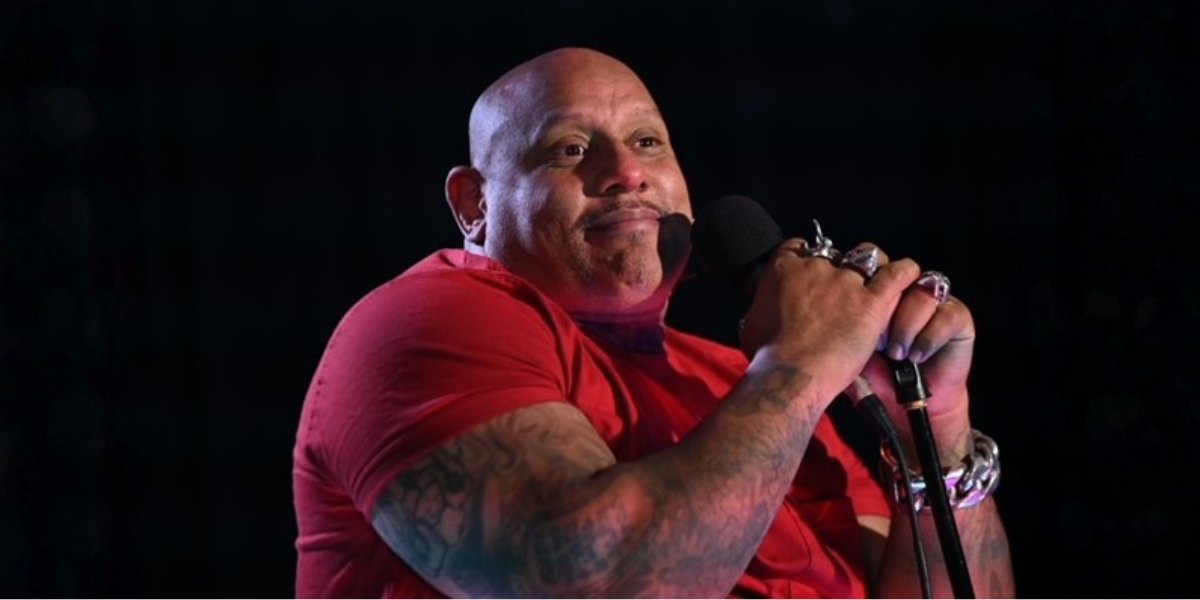
- Tony Perlstein, a former longshoreman who led reform efforts against mob-connected union leadership and most recently served as a United Auto Workers organizing director, has been named the office’s inaugural executive director.
- The executive order directs the Department of Consumer and Worker Protection, the Taxi and Limousine Commission, and the Commission on Human Rights to develop proactive investigation procedures for labor violations, bypassing the traditional complaint-first model.
- Overall union density in New York City stands at 20.5 percent, more than double the national rate of 10 percent, but private-sector union membership remains far lower and largely unchanged despite high-profile organizing victories.
- MOWP will prioritize immigration-based workplace exploitation and climate-related worker safety as early focus areas.
A Longshoreman Turned Reformer Takes the Lead
Tony Perlstein brings an organizing career shaped by waterfront politics, union corruption reform, and large-scale industrial campaigns. Born in the Bronx and raised in Brooklyn, Perlstein began his labor career as a longshoreman on the docks in Bayonne, New Jersey. In the early 2000s, Perlstein led a successful effort to remove mob-connected leadership from Local 1588 of the International Longshoremen’s Association, a campaign that resulted in the local being placed under federal trusteeship. Perlstein rose to become the local’s secretary-treasurer by 2007.
Perlstein’s most recent role was as a director in the United Auto Workers’ organizing department, where the union had been scaling up campaigns across sectors including higher education and nonprofit legal services. Brooklyn Defender Services workers, for example, unionized with the UAW and walked a picket line outside their Livingston Street offices as recently as July 2026.
Perlstein has said he expects to begin the role within weeks. He told reporters that the gap between public support for unions and actual union membership rates is the core problem the office intends to address. The CUNY School of Labor and Urban Studies’ 2026 State of the Unions report confirmed the scope of that gap: while union density across New York City reaches 20.5 percent overall, the number is buoyed almost entirely by the public sector. Private-sector union membership remains far lower, and the report concluded that membership rates have stayed largely unchanged despite renewed organizing activity, successful strikes, and historically high public approval for labor unions.
City Agencies Ordered to Investigate Without Waiting for Complaints
One of the more significant provisions of Executive Order No. 20 is its directive to three city agencies — the Department of Consumer and Worker Protection, the Taxi and Limousine Commission, and the Commission on Human Rights — to develop new protocols for proactive labor investigations. Under the traditional enforcement model, city agencies generally wait for a worker to file a formal complaint before investigating an employer. The new framework removes that prerequisite.
Perlstein described the shift as a recognition that the complaint-driven model misses the workplaces where violations are most severe. Workers in industries with high rates of wage theft, unsafe conditions, or immigration-based coercion are often the least likely to file formal complaints. The office intends to identify patterns of employer misconduct through worker outreach, public hearings, and coordination with existing enforcement agencies, then refer cases for investigation before individual complaints surface.
The Mamdani administration had already been moving toward a more aggressive enforcement posture on labor issues. Earlier in 2026, the Department of Consumer and Worker Protection partnered with Manhattan District Attorney Alvin Bragg’s office to expand wage theft prosecutions. The mayor also signed an executive order in June establishing heat protections for the estimated 1.4 million New Yorkers who work outdoors.
MOWP Positions City Hall as a Counterweight to Federal Rollbacks
Julie Su, who oversees MOWP as Deputy Mayor for Economic Justice, framed the office partly as a municipal response to the current federal administration’s approach to labor regulation. Su pointed to ongoing cuts to federal labor enforcement staff, the rollback of workplace safety protections, and what she described as a diminished federal commitment to worker rights. In that context, MOWP represents an attempt by New York City to fill gaps that the federal government has widened.
The office’s mandate extends beyond traditional union organizing. MOWP will convene rank-and-file workers alongside union leaders, worker centers, immigrant workers, gig workers, and platform-based workers. That language signals the office intends to engage the growing share of the city’s workforce that operates outside conventional employer-employee relationships, including app-based delivery workers and independent contractors in the care economy.
The administration has not yet disclosed a budget or staff headcount for MOWP. Su acknowledged that those details remain in development. What the office does have is institutional authority: an executive order, a mandate to coordinate across multiple agencies, and a direct reporting line to the deputy mayor’s office. Whether that translates into measurable changes in union density, enforcement outcomes, or worker engagement will depend on how Perlstein builds out the office’s operations in its first year.
The Broader Labor Context in New York City
The timing of the announcement carries symbolic weight. New York City hosted the country’s first Labor Day celebrations 144 years ago, when 10,000 workers marched up Broadway in 1882. The holiday was born out of the same organizing tradition that MOWP now aims to support with municipal infrastructure. The CUNY report’s finding that union density sits at roughly the same level it did several years ago, despite a wave of high-profile organizing at companies like Starbucks and Amazon, underscores the structural difficulty of converting public enthusiasm for labor into actual bargaining power. MOWP is a bet that municipal government can serve as the missing link in that chain, moving workers from awareness to action with City Hall’s convening power behind them.
FAQs
What Does the Mayor’s Office of Worker Power Do?
MOWP connects workers with information about their rights, refers them to organizations that support organizing, convenes public hearings on labor issues, and coordinates with city agencies to research and address workplace conditions. The office also helps workers report labor law violations.
Who Is Eligible to Use MOWP’s Services?
The office is designed to serve all New York City workers, including union and non-union employees, gig workers, platform workers, and immigrant workers. It is not limited to city government employees.
How Does MOWP Change Labor Enforcement in New York City?
Executive Order No. 20 directs the Department of Consumer and Worker Protection, the Taxi and Limousine Commission, and the Commission on Human Rights to develop proactive investigation procedures. This means city agencies can initiate labor violation investigations without waiting for an individual complaint to be filed.
Who Leads the Office of Worker Power?
Tony Perlstein serves as the inaugural executive director. Perlstein is a former longshoreman and a former organizing director at the United Auto Workers. The office reports to Deputy Mayor for Economic Justice Julie Su, who previously served as the acting U.S. Secretary of Labor.