
Meta tags: can physical therapy help arthritis, physical therapy for arthritis, physical therapy treatment for arthritis, arthritis physical therapy treatment, physiotherapists for arthritis
URL: /can-physical-therapy-help-arthritis
Meta Description: Can physical therapy help arthritis? Learn how targeted exercises reduce joint pain, ease stiffness, improve mobility, and support daily life.
Can Physical Therapy Help Arthritis? Benefits and Relief
Physical therapy can help people with arthritis by easing joint pain, improving movement, and building muscle strength. These benefits can make everyday activities more manageable.
Treatment uses guided exercises and simple daily habit changes to help you move with less discomfort. While it cannot cure arthritis, it can help you stay active, manage symptoms, and protect your joints.
Key Takeaways
- Physical therapy can help arthritis by reducing pain and stiffness, improving joint movement, and making daily activities easier.
- Strength training, flexibility exercises, and low-impact activities help support joints, build muscle strength, and improve balance.
- Treatment plans depend on the type of arthritis, symptom severity, and personal goals. Regular sessions and home exercises can support lasting improvements.
- Physical therapy cannot cure arthritis or reverse joint damage, but it can help manage symptoms, maintain independence, and improve quality of life.
How Does Physical Therapy Help Arthritis?
Physical therapy for arthritis helps people move more comfortably while building strength around painful joints. A physical therapist checks your movement, flexibility, and muscle strength before creating a care plan. The goal is to improve mobility and make everyday tasks easier without putting too much stress on your joints.
Common benefits include:
- Reducing pain by strengthening the muscles around your joints.
- Reducing stiffness through gentle, controlled movement.
- Improving balance and making walking or climbing stairs easier.
- Supporting independence and a better quality of life.
These benefits can make daily life easier, especially when arthritis affects the hands, hips, knees, or back. Results depend on your symptoms, physical condition, and how often you follow your exercise plan.
What Types of Arthritis Can Physical Therapy Treat?
Physical therapy can help people with osteoarthritis, rheumatoid arthritis, and other joint diseases. The best approach depends on the type of arthritis and how much it affects your movement. Your therapist may adjust exercises during flare-ups, when swelling and discomfort become worse.
Osteoarthritis care often focuses on stronger muscles and better joint movement. For rheumatoid arthritis, gentle exercises can help maintain strength and flexibility alongside medical care. Your therapist may also teach you ways to protect your joints during work, exercise, and household tasks.
Physical Therapy Exercises for Arthritis Pain Relief
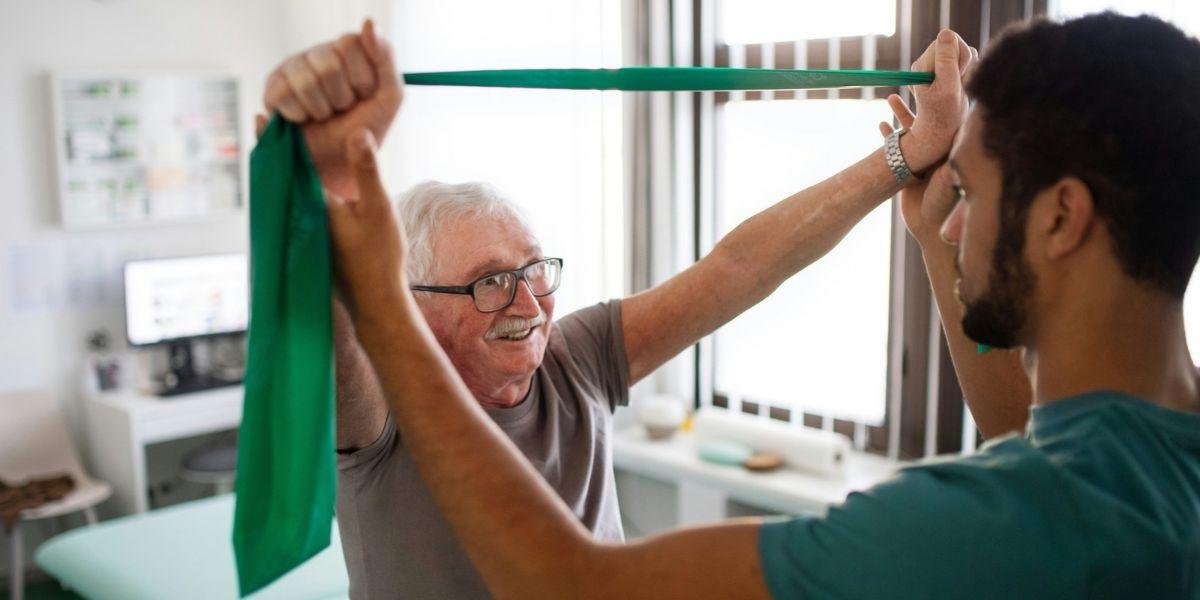
A well-designed exercise program can ease discomfort, improve flexibility, and help your joints move more freely. Your therapist will choose exercises based on which joints hurt and what activities you find difficult. The movements should build strength without causing lasting or severe pain.
Common exercises include:
- Range-of-motion exercises to keep joints flexible and reduce tightness.
- Strength training to strengthen muscles that support your joints.
- Low-impact aerobic exercises, such as walking, swimming, and cycling.
- Balance exercises to improve stability and reduce fall risk.
Your therapist will slowly increase the difficulty as your strength and movement improve. Regular exercise plays an important role in physical therapy for arthritis pain relief and long-term joint care.
What Happens During Arthritis Physical Therapy Treatment?
Your first visit usually starts with questions about your symptoms, health history, and daily activities. The therapist will check how your joints move and identify areas of weakness or discomfort. This information helps your therapist create a physical therapy treatment plan for arthritis tailored to your needs.
Your treatment may include:
- Guided exercises to improve joint movement and muscle strength.
- Heat or cold therapy to help manage temporary discomfort.
- Hands-on techniques to ease tightness and support movement.
- Advice on posture and safer ways to perform daily tasks.
At InTouch NYC PT‘s Midtown location, patients can discuss their symptoms and goals for improving movement and managing joint pain. A personalized arthritis physical therapy treatment plan may also include home exercises to support progress between visits.
How Often Should You Attend Physical Therapy for Arthritis?
The number of sessions depends on your symptoms, treatment goals, and ability to move. Some people start with one or two visits each week, while others need fewer. Your therapist will recommend a schedule after checking your condition.
You may notice changes in pain, strength, and movement after several weeks of regular exercise. As you improve, your therapist may reduce visits and focus more on home care. Staying active between sessions can help maintain your results.
Can Physical Therapy Prevent Arthritis From Getting Worse?
Physical therapy cannot reverse joint damage or guarantee arthritis won’t get worse. Still, stronger muscles and better movement can reduce stress on affected joints. This may help you stay active and complete routine tasks with less discomfort.
For inflammatory arthritis, exercise works alongside medicine that helps control the disease. Physical therapists who treat arthritis can adjust your activity during flare-ups and suggest safer ways to move. If swelling or pain worsens significantly, contact your healthcare provider.
How to Manage Arthritis Symptoms at Home
Managing arthritis at home starts with regular movement and enough time for recovery. Follow your therapist’s exercises and avoid increasing the difficulty too quickly. Supportive shoes, good posture, and breaks during long activities may help reduce joint stress.
The goal is to stay active without pushing through severe pain. Small, steady changes can help you manage pain and feel more comfortable during everyday activities.
Is Physical Therapy Worth It for Arthritis?
Physical therapy can help you build strength, move more easily, and stay independent. It offers practical ways to manage symptoms while supporting other medical treatments when needed.
With regular exercise and guidance, many people can improve daily comfort and maintain better joint function.
Disclaimer: This article is for informational purposes only and is not medical advice. It is not a substitute for diagnosis or treatment from a licensed healthcare provider. Talk to your doctor or a licensed physical therapist before starting any new exercise program, especially if you have arthritis or another joint condition.