By: Maha Khan
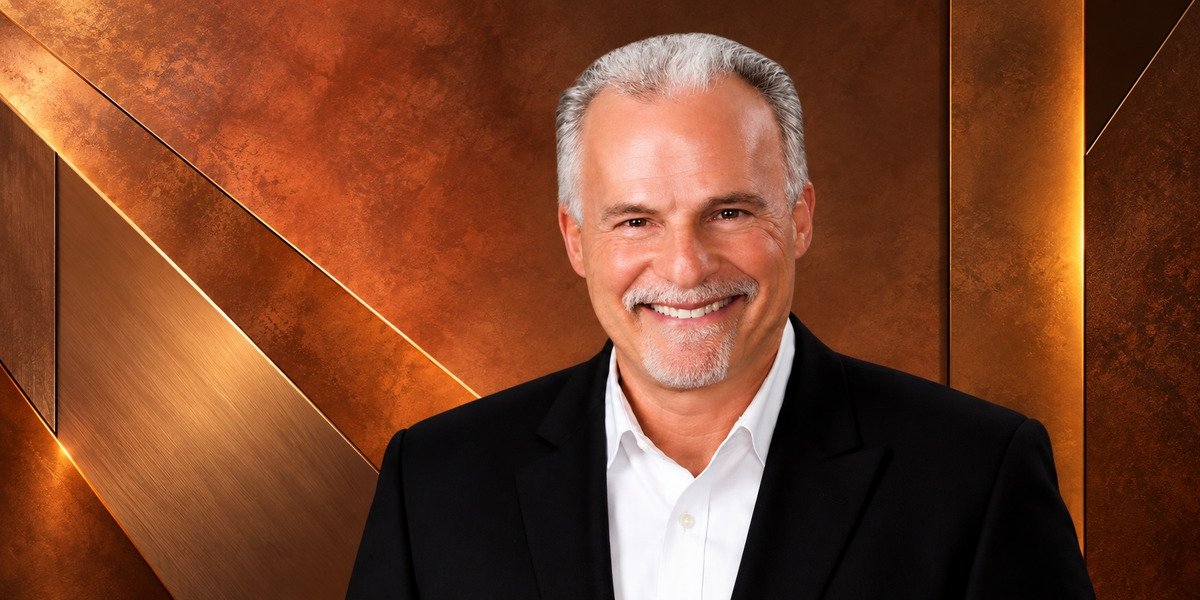
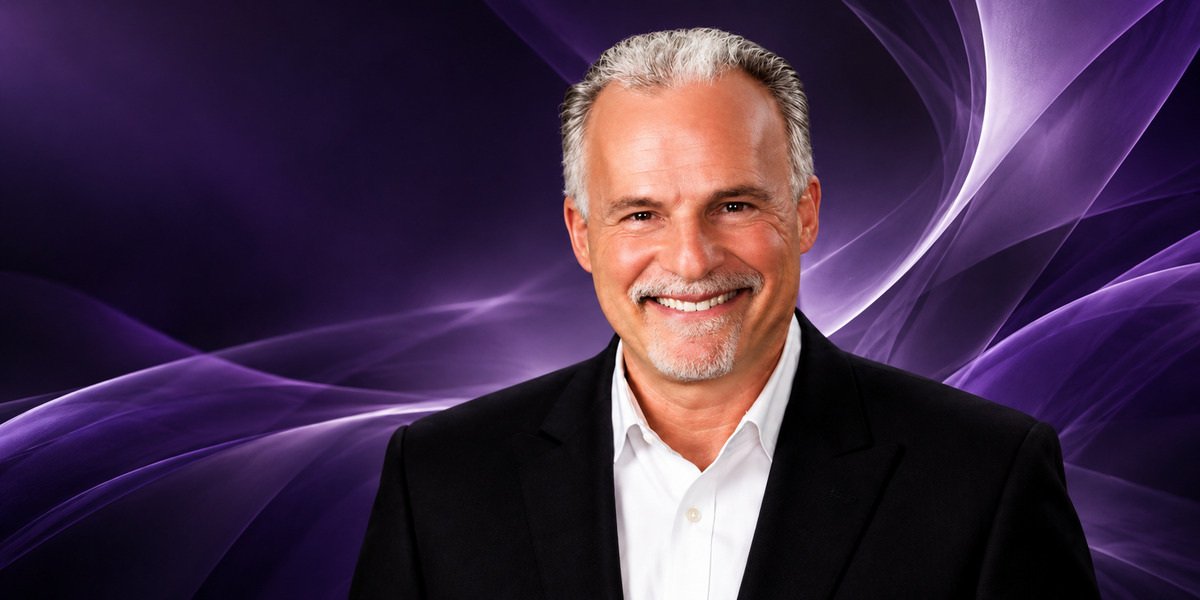
When Joseph L. J. Schwartz, PsyD, lost his wife in 2014, the longtime psychologist, a man of science who had spent decades helping others manage their emotions, suddenly found himself unable to manage his own. “I was in total shock and panic,” he later wrote. “My immediate thoughts were self-blame and immense guilt.” That moment, described in his memoir SuperRadiant: A Doctor’s Personal Journey, marked the beginning of a downward spiral that nearly broke him. Still, it also became the turning point for what he now calls his “Non-Prescription Prescription.”
The idea is straightforward: exercise, Transcendental Meditation, and psychotherapy — three practices that, when practiced regularly, may support mental wellness for some individuals, though results can vary. “Exercise strengthens the body and regulates mood; meditation calms the mind; therapy helps people understand and change unhelpful patterns,” Schwartz says. “Together, they address mental health from multiple angles.”
Schwartz’s approach may seem intuitive, but there is research supporting its effectiveness. A 2019 JAMA Psychiatry review suggests that regular exercise may help reduce symptoms of depression across various age groups. Research on Transcendental Meditation (TM), a technique Schwartz first learned decades ago, indicates it may help lower blood pressure, regulate stress hormones, and potentially reduce symptoms of post-traumatic stress disorder (PTSD). “More than 400 peer-reviewed studies on TM have been published in over 160 journals,” Schwartz writes in SuperRadiant. “These studies document major benefits for stress, anxiety, brain function, and cardiovascular health.”
In a study published in The Lancet Psychiatry, a significant percentage of veterans practicing Transcendental Meditation reported improvements in PTSD symptoms, with results that were comparable to, and in some cases more favorable than, those from traditional trauma therapy. The American Heart Association recommends TM as a potential method to lower blood pressure, as supported by some studies.
Psychotherapy, meanwhile, remains the cornerstone of mental-health care. The American Psychological Association consistently ranks it among the highly effective interventions for anxiety and depression, especially when paired with lifestyle changes. Together, Schwartz argues, these three practices form a feedback loop: movement stabilizes mood, meditation clears the mind, and therapy helps make sense of it all.
After his wife’s death, Schwartz says he hit emotional rock bottom. “I persisted in getting interviews, but I was not being helped or paid,” he wrote. “The stress between us now was beginning to get overwhelming.” In 2015, he recommitted to his twice-daily TM practice, 20 minutes in the morning, 20 at night, and began attending advanced retreats in Washington, D.C., and Massachusetts. Gradually, his mental state began to shift. “Looking back five years later,” he writes, “I am absolutely amazed at the rapid positive changes in my life.” He rebuilt his private practice, repaired family relationships, and, after years of burnout, found himself feeling, in his words, “blissful most of the time.”
Neuroscience offers a possible explanation. Studies suggest that meditation may help enhance brain-wave coherence, potentially synchronizing electrical activity across different brain regions. “When there is more similarity,” Schwartz explains, “neurons communicate more efficiently.” The result is clearer thinking, a steadier mood, and, over time, a more resilient nervous system.
Schwartz isn’t opposed to medication. “There’s no one-size-fits-all solution,” he says. “For severe conditions like bipolar disorder or major depression, medication and structured care are essential.” What concerns him is how quickly the healthcare system reaches for pills as the first line of defense. “Our healthcare model is medication-first,” he says. “We can do more to empower people to take an active role in their recovery.” His view reflects a broader shift toward integrative mental health, which blends traditional medicine with behavioral and lifestyle interventions. It’s not about rejecting pharmaceuticals, it’s about restoring agency, embodiment, and daily practice. “The TM technique is not a religion or philosophy,” Schwartz writes. “No belief or expectation is needed for it to be effective.” To him, habits like meditation and exercise don’t just supplement treatment; they may change its trajectory. “The benefits come from regular practice, not perfection,” he says.
Over the years, Schwartz has observed that some patients may experience gradual improvements through small, consistent actions. One teacher, dealing with stress during the pandemic, began walking daily and meditating twice a day. She shared that, over time, she felt less anxious. Another patient found that meditation helped her engage more effectively in therapy sessions, allowing her to observe her thoughts without feeling overwhelmed. These are individual experiences, and results may vary for each person. “They’re simple habits,” Schwartz says, “but they create momentum. People feel more in control of their healing.” And that sense of control, he adds, can be a powerful form of medicine.
Now 66, Schwartz reflects on his journey with gratitude. After multiple surgeries, career setbacks, and years of emotional chaos, he says meditation has given him a new baseline—a sense of “brain coherence” and a deep, lasting peace. “Instead of being envious of what I didn’t have,” he writes, “I started to appreciate, enjoy, and be grateful for everything I had, right now.”
Ultimately, his ‘Non-Prescription Prescription’ emphasizes cultivating mental health alongside traditional care. “The path to feeling better isn’t always written on a prescription pad,” he says. “It’s often built through small, steady steps that reconnect you to your body, your mind, and your sense of purpose.”
How to Start:
Move daily by walking, stretching, or dancing; consistency matters more than intensity.
Meditate, learn Transcendental Meditation from certified teachers at TM.org.
Talk it out, find a therapist through Psychology Today or your local clinic.
As Schwartz puts it: “When you contact that transcendental state, the unified field within, you unlock the kingdom of peace that lies inside us all.”
Disclaimer: The information provided in this article is for informational purposes only and is not intended to replace professional medical advice, diagnosis, or treatment. Individual experiences with meditation, exercise, and therapy may differ, and results can vary. Testimonials and personal stories should be viewed as individual experiences, not as something that applies to everyone. Always consult with a qualified healthcare provider before making any changes to your mental health treatment or lifestyle practices.