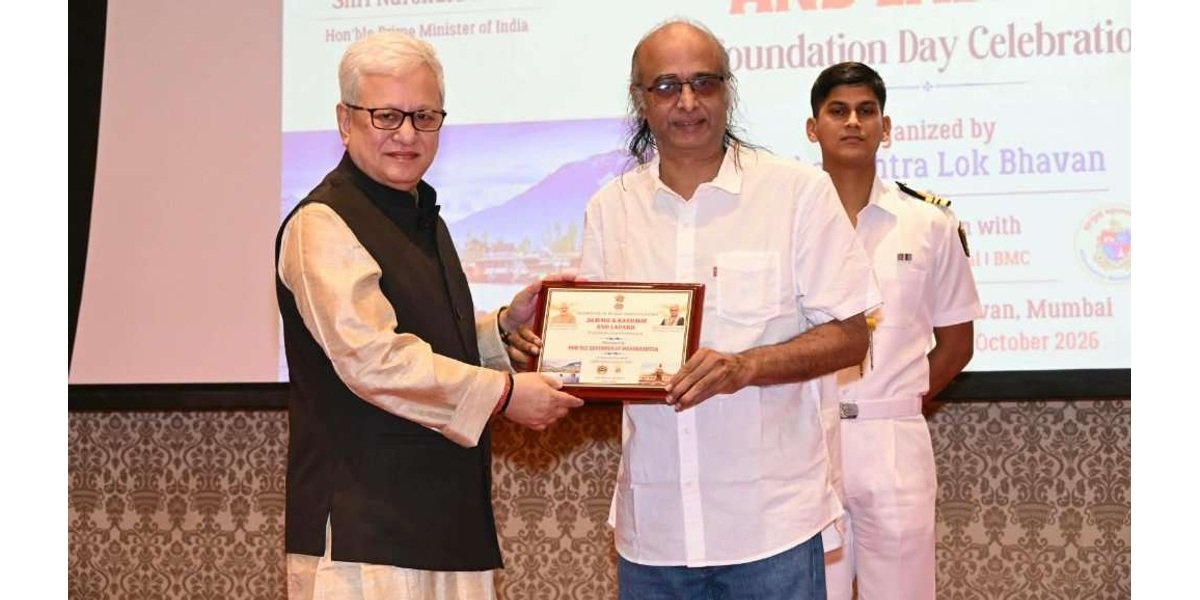

Across clinical oncology and modern biomedical engineering, the convergence of scalable enterprise computing architectures and continuous physiological telemetry represents a transformative clinical shift. At the forefront of this movement is Prof Dr Mamidanna Sreedhar, an accomplished scientist, systems researcher, and corporate technologist recently recognized with the Maharashtra Governor Award as Best Scientist in Cancer Research. Conferred at Raj Bhavan in Mumbai, this state honor celebrates his multi-decade dedication to replacing reactive patient care with proactive, data-driven diagnostic systems.
Enterprise Systems Architecture Meets Biomedical Innovation
Originally from Andhra Pradesh, Prof Dr Mamidanna Sreedhar established a rigorous computer science background in India before pursuing advanced post-graduate education in the United States. His technical career quickly propelled him into global enterprise computing, where he served as a senior consultant and scientist within IBM Research and Development Labs across the United States and Canada. During his tenure, he engineered mission-critical UNIX operating systems and architected large-scale international banking databases, mastering high-concurrency systems capable of processing dense, time-sensitive data streams without interruption.
Following his enterprise achievements in North America, Sreedhar returned to India to help build high-capacity offshore technical development centers, creating foundational engineering frameworks that significantly expanded India’s footprint across global tech services. This background in fault-tolerant systems design later formed the bedrock of his transition into biomedical engineering. Recognizing that human physiological signals resemble high-frequency enterprise telemetry, he directed his research toward translating complex cellular and hemodynamic data into actionable clinical intelligence.
Decentralizing Patient Safety Through Predictive Wearable Hardware
The primary milestone behind Prof Dr Mamidanna Sreedhar’s recent scientific distinction centers on his development of an intelligent wearable diagnostic platform engineered for real-time chemotherapy monitoring and toxicity prediction. While systemic chemotherapy remains an indispensable pillar of modern oncology regimens, its cytotoxic nature often induces severe, unanticipated side effects between routine hospital visits. Life-threatening complications such as neutropenic infections, acute organ toxicity, and autonomic instability frequently arise without warning, forcing patients into emergency hospitalizations.
Sreedhar’s non-invasive wearable platform directly bridges this clinical vulnerability by continuously capturing multi-parametric physiological data, including autonomic cardiac variability, subtle thermal fluctuations, and physical activity signatures. Leveraging custom predictive analytical algorithms, the hardware identifies sub-clinical biological stress signatures hours before outward symptoms manifest physically. This critical lead time allows treating oncologists to dynamically adjust chemotherapy dosages, administer preventive medications, and safeguard patient health throughout active therapeutic cycles.
Intellectual Property and Literature in Clinical Science
The wearable monitoring system represents one breakthrough within Sreedhar’s broader intellectual property portfolio. Prof Dr Mamidanna Sreedhar holds multiple scientific patents granted by the Government of India spanning medical instrumentation, diagnostic computing, and non-invasive cancer detection systems. These patented inventions focus on lowering diagnostic barriers, reducing equipment costs, and making early detection protocols accessible across diverse demographic groups.
Parallel to his engineering patents, Sreedhar has authored academic textbooks and scientific treatises analyzing critical intersections among biosciences, applied computer science, and healthcare ethics. His published literature provides examinations of robotic surgical technologies, clinical neuroimaging frameworks, and oncological interventions. This scholarly output reflects his position as both a theoretical researcher and a practical hardware engineer capable of delivering bench-to-bedside clinical solutions.
Advisory Leadership for Next-Generation Medical Infrastructure
His cumulative contributions have earned national and international recognition from state governors, scientific bodies, and central ministers. In addition to the Maharashtra Governor Award, Sreedhar received the Dr. B. R. Ambedkar Award from the Governor of West Bengal in appreciation of his scientific research and service to societal advancement.
Today, Prof Dr Mamidanna Sreedhar applies his cross-disciplinary expertise to hospital infrastructure design, serving as an advisor to the Eastbond, Queens, and Bronx super-specialty hospital projects currently under development. In this leadership role, he counsels executive teams on integrating advanced clinical architectures, centralized patient telemetry networks, and decentralized ambulatory monitoring wards. As these medical centers prepare for launch, Sreedhar continues to demonstrate how predictive hardware and systems engineering can permanently modernize clinical cancer care worldwide.
Disclaimer: This content is for informational purposes only and is not intended as medical advice, nor does it replace professional medical expertise or treatment. If you have any concerns or questions about your health, always consult with a physician or other healthcare professional.