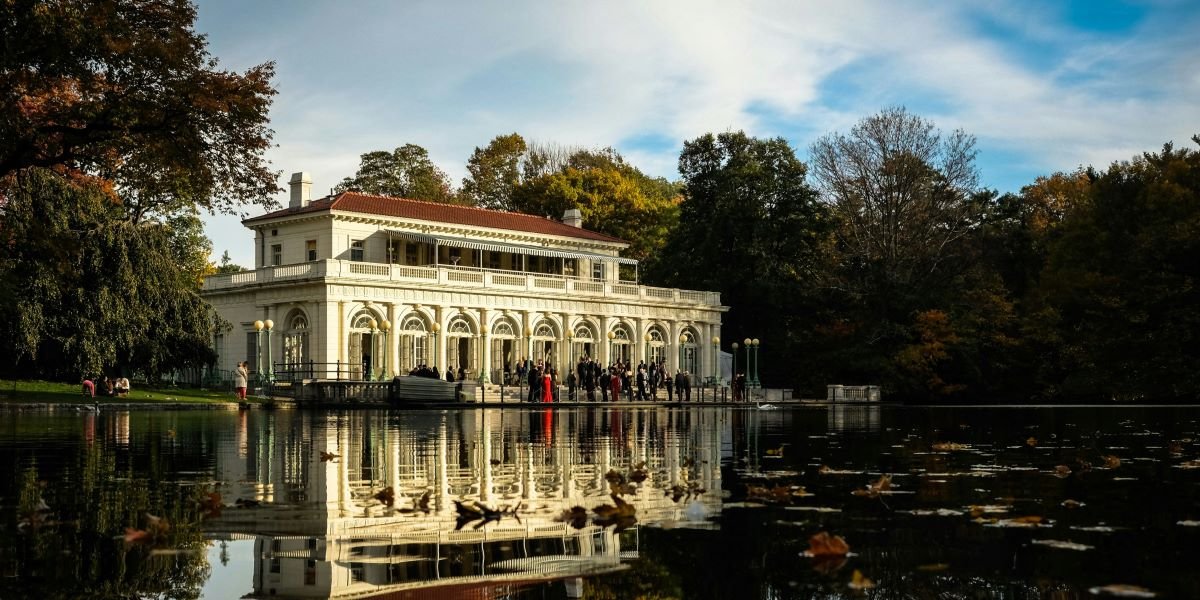

Governor Kathy Hochul announced $4 million in state funding on September 24, 2026, to finish restoring Prospect Park Lake, Brooklyn’s only lake. The money goes toward a $25 million project that will add ADA-accessible paths, improve water quality, reduce flooding in nearby neighborhoods and expand wildlife habitat.
Key Takeaways
- The $4 million covers the final phases of the Prospect Park Alliance’s Lakeshore Restoration Master Plan, a project with a total cost of $25 million.
- Planned work includes reducing roadway pavement along Wellhouse Drive, rebuilding the bridle trail with stormwater infrastructure and replacing asphalt with rain gardens.
- The Alliance’s schedule calls for design completion in 2026, Phase 1 construction in 2027-28 and Phase 2 in 2028-29.
- Prospect Park draws more than 10 million visits a year, and roughly 370,000 Brooklynites live in the surrounding area.
- The 60-acre lake is getting its first significant shoreline restoration since it was built.
- The Dormitory Authority of the State of New York (DASNY) will administer the state funding.
State Funding Targets the Final Phases of the Lakeshore Master Plan
The Prospect Park Lake investment finishes a project that has moved forward in stages for years. The Prospect Park Alliance, the nonprofit that manages the park with the City, first designed the section just south of the Lakeside Center near the Parkside and Ocean Avenue edges of the park. A second phase will cover the west side of the lake. The new state money is meant to carry the plan through to completion.
Most of the work deals with water rather than scenery. The Governor’s Office says the project will narrow the pavement along Wellhouse Drive, which runs parallel to the lake, and capture runoff flowing down from the surrounding hills. It will also rebuild the bridle trail with new stormwater infrastructure, replace large stretches of asphalt with rain gardens that echo the park’s original plantings, add new benches and other furniture, and install light poles designed to reduce light pollution.
“By restoring the shoreline of Prospect Park Lake, we are improving its water quality and natural resiliency, securing safe access to the lake for residents and visitors alike and providing a refuge for local wildlife,” Governor Hochul said in announcing the funding.
Olmsted and Vaux’s Original Design Guides the New Shoreline
The Prospect Park Alliance plans to rebuild the shoreline to closely match the historic design of Frederick Law Olmsted and Calvert Vaux, who created the 526-acre park in the 19th century. Along with that restoration, the plan adds new lighting, seating and viewing areas, landscaping designed to support wildlife, and improved ADA access.
Returning to the original design also makes practical sense. Prospect Park Alliance President Morgan Monaco has said the Olmsted and Vaux design was built to let stormwater drain naturally, and that 150 years of soil compaction and changes to the landscape have weakened that system. The restoration aims to rebuild what was designed into the park in the first place, not add something new to it.
“Prospect Park’s 60-acre lake, Brooklyn’s only lake, is not just an important scenic and recreational amenity for our community, but also plays a critical role in environmental resiliency,” Monaco said.
Neighbors Around Prospect Park Have Dealt With Runoff Flooding for Years
The flooding problem is not new. When Congressman Dan Goldman sought federal funding for the lakeshore in 2023, his office noted that runoff from the lake had flooded homes in surrounding neighborhoods. The project’s cost has also grown. Brooklyn Community Board 14 described the lakeshore work as a $20 million effort at that time, and it now stands at $25 million.
Tropical Storm Ophelia showed what heavy rain can do here. In September 2023, floodwater from Flatbush Avenue poured into the Prospect Park Zoo, which then closed for eight months. In December 2025, the City committed $68 million to build Brooklyn’s first Bluebelt in Prospect Park. That natural drainage system of ponds, rain gardens and upgraded infrastructure is meant to protect Windsor Terrace, Kensington, Prospect Park South and Ditmas Park, and is expected to be finished by 2032. The lakeshore restoration is designed to work alongside it.
Assemblymember Robert Carroll described the lake as a future hub for nature-based stormwater management and said new ADA-accessible pathways and bridges would keep the park open to all visitors.
Prospect Park Lake Funding Lands as a Nor’easter Nears New York City
The announcement came one day before a nor’easter was forecast to bring 2 to 3 inches of rain across New York City, along with wind gusts of up to 50 mph. The timing points to a hard reality for the project. Prospect Park Lake will not be ready for this weekend’s storm, and the Alliance’s own schedule puts the final construction phase in 2028-29. Neighbors along the park’s southern and western edges will have to rely on the existing drainage system for several more storm seasons.
Still, the state money settles the question of whether the full lakeshore plan would be finished or stall partway. Combined with the City’s Bluebelt, it ties city and state investment to a single aim: getting Prospect Park to absorb and hold water the way Olmsted and Vaux designed it to.
FAQs
How much is New York State contributing to the Prospect Park Lake restoration?
Governor Hochul announced $4 million in additional state funding on September 24, 2026. The full restoration costs $25 million.
When will construction on Prospect Park Lake take place?
The Prospect Park Alliance expects to complete design in 2026. Phase 1 construction is scheduled for 2027-28, and Phase 2 for 2028-29.
What will change around Prospect Park Lake?
The project adds ADA-accessible paths, rain gardens, stormwater infrastructure, new seating and lighting that reduces light pollution. It also reduces pavement along Wellhouse Drive and rebuilds the bridle trail.
Is Prospect Park Lake the only lake in Brooklyn?
Yes. The 60-acre Prospect Park Lake is the only lake in Brooklyn and is home to fish, amphibians and birds.
How is the lake project connected to the Prospect Park Bluebelt?
The City’s $68 million Bluebelt, announced in December 2025, adds ponds, rain gardens and drainage upgrades to reduce flooding in nearby neighborhoods. The lakeshore restoration is designed to support that system.