
Thanksgiving shoppers picking up pies, rolls and prepared sides at New York bakeries and delis will see written allergen notices for the first time this year. A state law that took effect November 12, 2026, requires food packaged on the same premises where it’s sold to name any of nine major allergens it contains.
Key Takeaways
- Since November 12, 2026, food prepared, packaged and sold on the same premises in New York must carry a written notice naming any major food allergens among its ingredients.
- The nine major allergens are milk, eggs, fish, crustacean shellfish, tree nuts, peanuts, wheat, soybeans and sesame.
- Food sold without packaging, or packaged after a customer orders it, falls outside the requirement.
- The notice must name allergens but doesn’t have to list every ingredient, and highly refined oils made from allergen sources are exempt.
- Governor Kathy Hochul signed the law on November 12, 2025. It was sponsored by State Sen. Pete Harckham and Assemblymember Jen Lunsford.
- Restaurants follow a separate state rule requiring allergen notices on menus and an allergen awareness poster for staff.
Grab-and-Go Pies, Rolls and Deli Sides Now Carry Allergen Notices
New York’s allergen labeling law covers food that is prepared, prepacked and offered or sold to customers on the same premises. The bill’s sponsors named cafeterias, delis, bakeries, sandwich shops, food trucks and ice cream parlors as examples. The requirement sits in both the Public Health Law and the Agriculture and Markets Law, so it reaches food service businesses as well as the bakery and deli counters inside grocery stores.
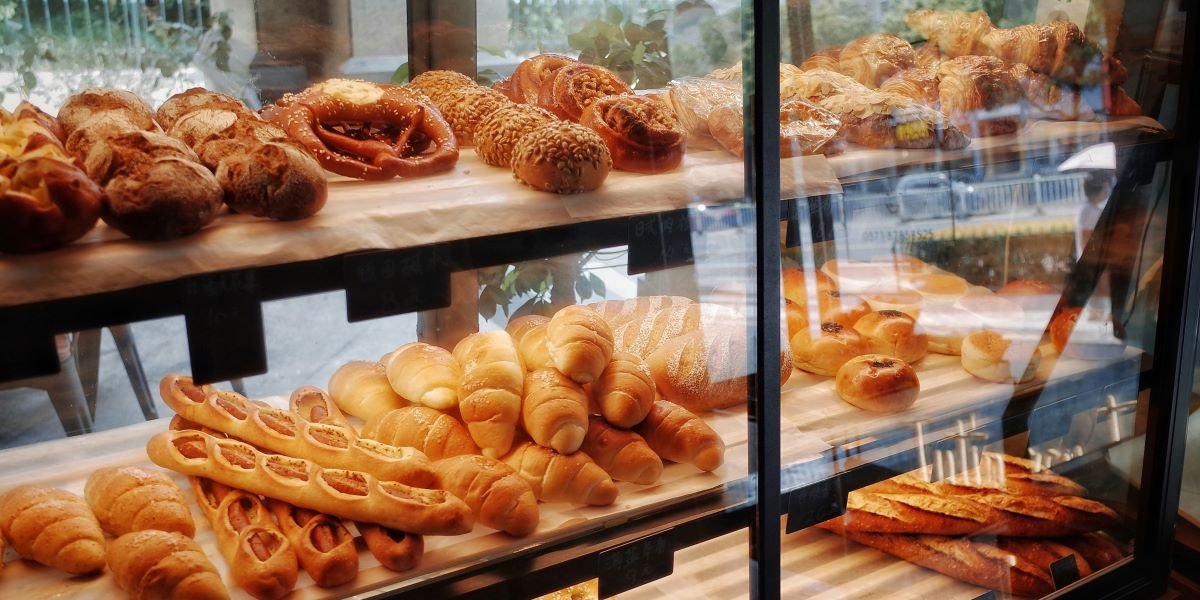
For Thanksgiving week, that changes what shoppers find in the case. A pumpkin pie baked and boxed that morning, a bag of dinner rolls packed for the shelf, a pre-wrapped tray of stuffing or a container of cranberry sauce from the deli should now carry a written notice on the package or on an attached label. The same applies to cookie tins and treats from local pastry makers selling to holiday shoppers at Union Square, wherever they are made and packed on site.
The Label Lists Allergens, Not Every Ingredient
The notice has a narrow job. It must identify any ingredient that is a major food allergen, and the law says it need not identify ingredients that aren’t. A pecan pie label, for example, would flag tree nuts, wheat, eggs and milk if those are in the recipe, without listing the corn syrup or vanilla.
The nine allergens match the federal list: milk, eggs, fish, crustacean shellfish, tree nuts, peanuts, wheat, soybeans and sesame. Highly refined oils made from those foods, along with ingredients derived from them, are not treated as major allergens. Oils that aren’t highly refined don’t fall under that exemption. The rule adds to other recent changes in what New Yorkers see about their food, including the city food standards that took effect July 1.
Pre-Ordered Pies and Unwrapped Bread Fall Outside the Rule
The law draws its line at packaging. Food that isn’t in packaging, such as an unwrapped loaf from a bread basket or a slice served from a pie under a glass dome, is not covered. Neither is food packaged after a customer orders it, which describes many holiday pre-orders: a pie boxed at pickup or a catering tray assembled to order.
Factory-sealed products were already covered. Federal rules under the Food Allergen Labeling and Consumer Protection Act of 2004 require allergen labeling on packaged foods, but they don’t reach food prepared, prepacked and sold on the same premises. New York’s law was written to fill that gap.
Restaurants that serve meals were already under a different requirement. State law requires food service establishments to post an allergen awareness notice for employees and to display an allergen notice on physical and online menus, inviting customers to share any food allergy. The new labeling law applies to packaged food, so a Thanksgiving meal served at a table falls under the menu rule, while the same restaurant’s packaged takeout desserts made for the shelf fall under the label rule.
A Bakery Cookie Set the Law in Motion
Assemblymember Jen Lunsford has said the bill grew out of a 2020 experience, when her young son reacted to a cookie bought at a local bakery. Sen. Harckham credited Jared Saiontz, a Horace Greeley High School student in Chappaqua, with pushing for labels on the prepackaged food he and his friends bought at delis, grocery stores and gas stations. The law gave businesses a full year to prepare before taking effect.
State and local inspectors oversee compliance. The Broome County Health Department has said packaged self-service food missing a label, or not listing all major allergens, will be cited as a critical violation during inspections. Shoppers with questions about a specific item can ask at the counter, since the label only addresses allergens used as ingredients.
Disclaimer: This article is for general informational purposes only and does not constitute legal or medical advice. Food labeling requirements may vary depending on the product and how it is prepared, packaged and sold. Consumers with food allergies should verify ingredients and potential cross-contact risks directly with food establishments. Businesses should consult official New York State guidance for specific compliance requirements.
FAQs
When did New York’s allergen labeling law take effect?
The law took effect on November 12, 2026, one year after Governor Kathy Hochul signed it on November 12, 2025.
What are the nine major allergens on New York labels?
The nine are milk, eggs, fish, crustacean shellfish, tree nuts, peanuts, wheat, soybeans and sesame. Labels must name any of them used as ingredients.
Do pre-ordered Thanksgiving pies need allergen labels in New York?
Not if they’re packaged after the customer orders. The law excludes food packaged after an order and food that isn’t in packaging.
Does the new law apply to restaurant menus?
No. It covers packaged food. Restaurants follow a separate state rule requiring allergen notices on menus and an allergen awareness poster for staff.