New York does not approach cybersecurity as a side industry. In a city that runs the world’s largest financial marketplace, defending data is inseparable from defending the economy itself, and that reality has turned the five boroughs into a place where building and protecting happen at the same address. The result is a sector defined by two forces pulling in tandem: the entrepreneurial drive to invent new tools, and the institutional discipline to make the city’s most critical systems hard to break.
A Workforce and Startup Engine
The raw numbers explain why investors and founders keep circling. According to the New York City Economic Development Corporation, the city is home to an estimated 60,000 cybersecurity professionals and more than 300 dedicated cyber companies, supported by a fundraising pipeline that runs from pre-seed checks to the public markets. NYCEDC also notes that wages in the sector run roughly 50% higher than the average across the rest of the city’s economy, a premium that has helped cybersecurity become a genuine middle-class career track rather than a niche.
Much of that growth traces back to Cyber NYC, the roughly $100 million public-private initiative NYCEDC launched to grow the ecosystem and, over a decade, help create up to 10,000 jobs. The program built deliberate on-ramps rather than relying on organic growth alone. Inventors to Founders, run with Columbia Technology Ventures, pushes research out of campus labs and into startups. A SoHo accelerator and “Scalarator” operated with Israel-based Jerusalem Venture Partners coaches early companies toward scale. Talent programs, including a partnership with Fullstack Academy’s bootcamp and a City College of New York master’s program, widen the pipeline beyond traditional computer-science degrees. The Global Cyber Center, opened by the innovation hub SOSA, gave the community a physical anchor, and international players such as Team8 chose New York for their U.S. operations.
Wall Street as the Demand Engine
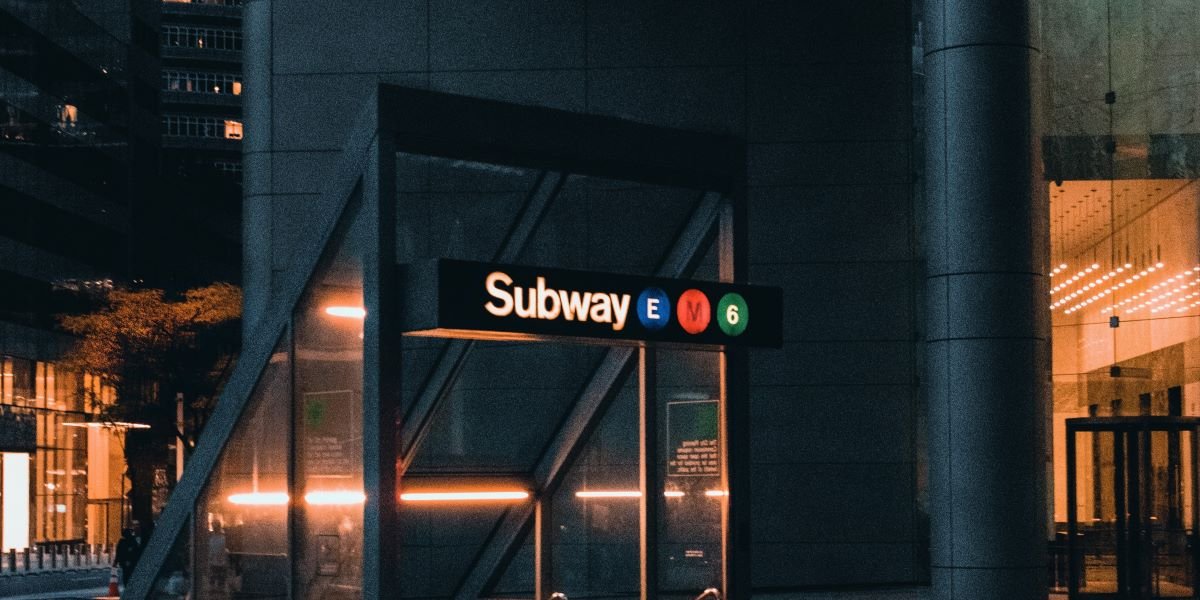
What separates New York from other cyber hubs is the customer base sitting a subway ride away. Banks, insurers, asset managers, and exchanges generate enormous volumes of sensitive data and face relentless attempts to breach it, which means demand for defense is local, constant, and well-funded. Startups can find design partners and first customers within the same skyline, and engineers can move between vendor and enterprise roles without leaving the city. That proximity between problem and solution is the quiet engine beneath the headline jobs figures.
Resilience Written Into Regulation
If innovation is one half of the story, regulation is the other, and here New York set a national template. The state’s Department of Financial Services enforces 23 NYCRR Part 500, the first state-level cybersecurity regulation of its kind, which has since been echoed by other state and federal regulators. The rule is not a voluntary framework. DFS can issue consent orders, demand remediation, and levy fines, and as the security firm NCC Group has documented, the department has entered into consent orders with 27 entities since 2021, producing more than $144 million in penalties, including a $9.75 million fine against an auto insurer.
The regulation keeps tightening. A phased set of amendments finished rolling out on November 1, 2025, layering in stricter controls and prescriptive guidance on multifactor authentication, one of the most common failure points behind past penalties. For New York’s covered firms, resilience is a compliance obligation, not an aspiration, and that mandate has helped sustain steady demand for the very tools and talent the city’s startups produce.
The AI Inflection Point
The current chapter is being shaped by artificial intelligence, and New York’s regulators moved early to address it. In a May 21, 2026 industry letter, DFS warned regulated firms about heightened cybersecurity risks tied to frontier AI models capable of amplifying the speed and scale at which vulnerabilities can be found and exploited. The advisory imposed no new legal requirements but urged firms to strengthen their security posture before such capabilities spread widely. It followed an earlier 2026 alert reminding the financial sector to stay vigilant amid heightened threats linked to global conflict.
The framing captures the moment precisely: the same wave of AI innovation energizing the city’s startups also sharpens the threats those startups exist to counter. New York’s response has been to treat both sides as one problem.
Where Innovation Meets Resilience
That dual identity is the through line. The city pours capital and talent into inventing the next generation of defensive tools while holding its largest institutions to a hard, enforceable standard for using them. Innovation supplies the offense against attackers; regulation supplies the floor beneath the defense. In few other places do those two impulses sit so close together, and that combination is what gives New York’s cybersecurity scene its particular character. As AI rewrites the threat landscape, the city’s bet is that being both a builder and a defender is the only durable way to stay ahead..