By: Andrew Young
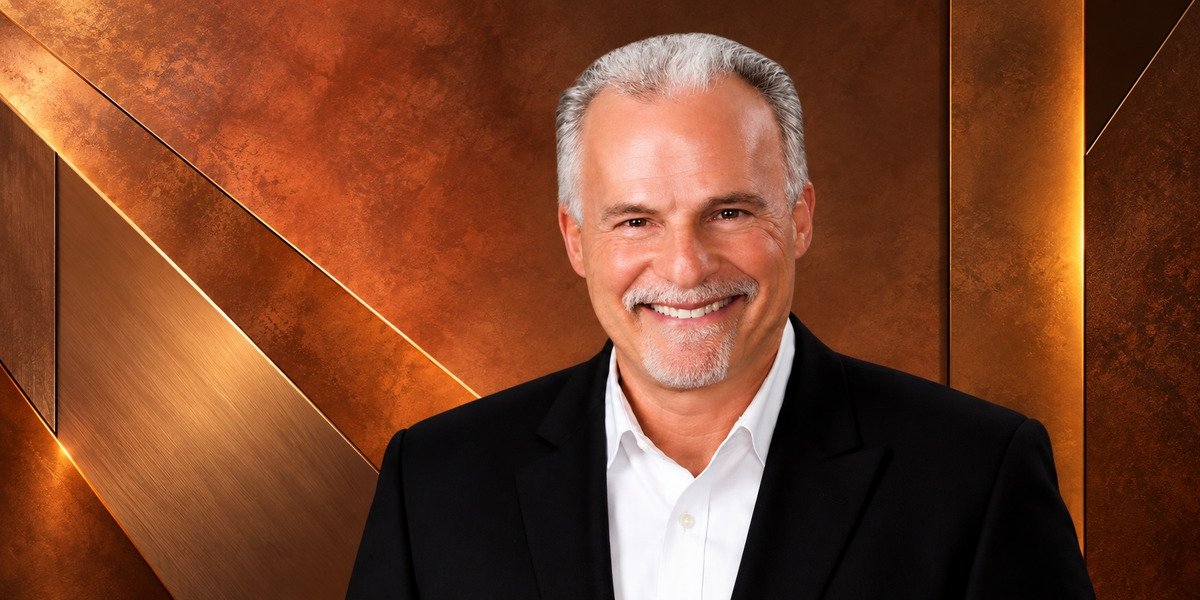
“Video is a strong medium—but it’s part of a greater marketing ecosystem,” said Tim Bradley, Co-Founder of Pennant Video, on Sticky Note Marketing with host Mary Czarnecki. For Bradley, video isn’t just about looking good—it’s about closing the gap where companies lose prospects: the middle of the funnel.
The Mid-Funnel Problem Too Many Brands Ignore
While many companies put effort into grabbing attention or closing sales, Bradley pointed out a blind spot. “The biggest gap is definitely the middle of the funnel,” he explained. B2B buyers face long decision cycles—sometimes nine months or more—and multiple stakeholders. That leaves a lot of room to lose attention.
“Sure, you did the hard work of getting attention in the first place,” Bradley said. “But how do you build trust, build a sense of belief in what you’re about in your buyer’s eyes or your prospect’s eyes to turn them into buyers?”
He suggests that a thoughtful approach to video can do more than just attract clicks—it can help maintain interest and gently guide people forward.
A Three-Part Video Strategy That Actually Works
Bradley introduced his signature framework, the Video Marketing Trifecta™, which includes anthem videos, explainers, and endorsements.
“No single video can do that,” he said. “There’s no silver bullet.”
Each video type plays a distinct role:
- Anthems: “Your mission, your value pieces… why your audience should care.”
- Explainers: “They describe what you do and how you do it clearly, creatively.”
- Endorsements: “Customer stories or testimonials… real proof points.”
By breaking up the message into these clear categories, brands avoid the all-too-common mistake of cramming too much into a single video. “One video is trying to do too much. It’s trying to speak to too many audiences, too many pain points.”
This approach may help build a growing library of assets that support marketing, sales, internal communications, and beyond.
When Is the Right Time to Start? Look for the Bottlenecks
So, when should companies begin investing in video?
Bradley offered a simple rule: “Anytime there’s a bottleneck is a really smart time to consider it.”
Whether that bottleneck is internal—repeating the same message over and over—or within the buyer journey, video can step in to clarify, reinforce, and build momentum.
He gave the example of rebrands as prime moments. “You need to synthesize positioning, messaging, communication, identity into a really impactful, emotionally resonant moment.”
An anthem video created at that point can become what he calls a “blue chip asset”—used again and again on websites, at events, and in major campaigns.
Why B2B Video Still Needs Emotion
A common myth in B2B marketing is that buyers are purely logical. Not true, Bradley argued.
“Arguably, everything is actually about relationships,” he said. That’s why video, especially when infused with empathy, is powerful. “Lead with empathy. What are the things that they care about? What are the things that keep them up at night?”
Even in technical or highly regulated industries, human-centric messaging wins. “How can you literally say the thing you want to say versus getting bogged down in bad acronyms and the over-index bingo card of B2B vernacular?”
Bradley believes a good video doesn’t just explain—it connects. “Use video as that carrot on the string, that desire to learn more, to take the next step.”
Real People, Real Stories: Staying Inspired Beyond the Screen
Despite his focus on digital content, Bradley remains grounded in offline experiences. One of his significant sources of inspiration? Face-to-face interaction.
“Show up where your buyers are for sure, and get a sense of where they’re at in their day-to-day,” he said. “That just pays off in spades across the board.”
He also recommended tools like Wistia’s annual reports to stay sharp, but stressed that personal connection is irreplaceable. “While I love video… also just get out from behind the screen and go network and shake some real hands.”
Tim Bradley and Pennant Video continue to push for smarter, more strategic use of video, especially in the overlooked middle stage of the customer journey. His message suggests that brands focusing on targeted, thoughtful storytelling are more likely to build trust and foster business growth.
Published by Jeremy S.