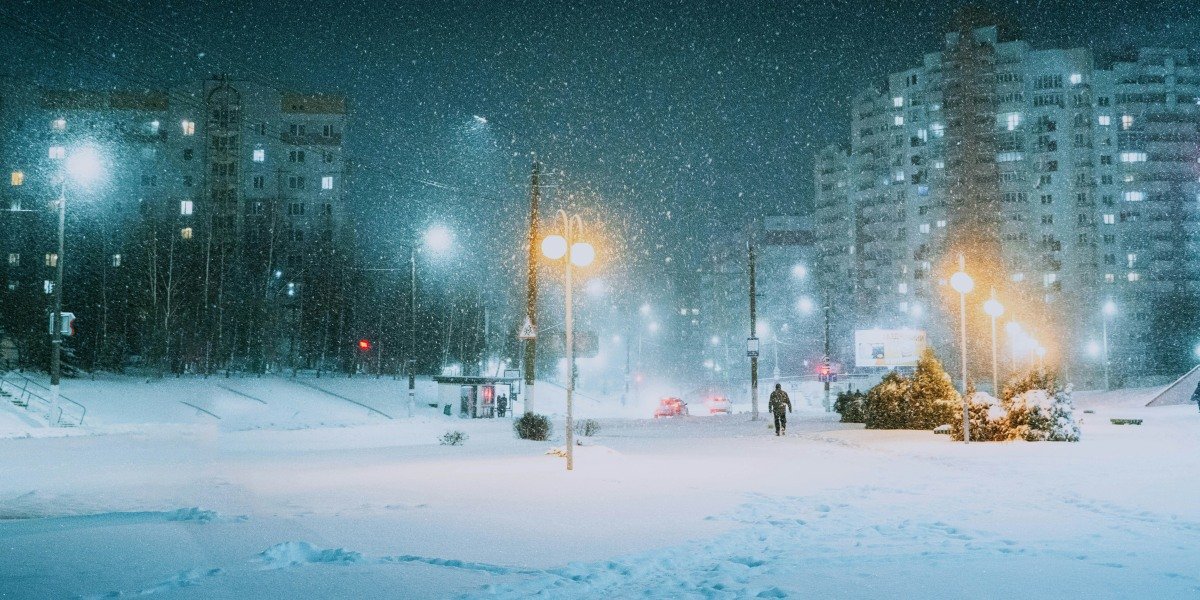

New York City found itself in the direct path of Winter Storm Fern, a powerful weather system that brought historic snowfall, widespread travel disruption, and a citywide pivot to remote learning — a stark reminder of how a major storm can paralyze daily life and infrastructure in the nation’s largest metropolis.
Historic Snowfall and Dangerous Conditions
The storm hit hardest on Sunday and Monday, dumping over a foot of snow across New York City — the heaviest snowfall in the region in years. In neighborhoods across the five boroughs, accumulation was especially significant: Washington Heights saw up to 14.9 inches, while other areas recorded between 11 and 14 inches on the ground, the first time the city has had over a foot of snow since early 2021. Suburban communities in Westchester and New Jersey saw even higher totals.
These conditions made travel treacherous and contributed to layers of disruption across transportation systems and daily services.
Airports and Transit Hit Hard
All three major airports serving the New York metropolitan area — JFK, Newark, and LaGuardia — experienced extensive flight cancellations. On Monday alone, around 1,300 flights were canceled at these airports as snow and ice grounded operations. Nationwide, the storm contributed to tens of thousands of cancellations over the weekend, marking one of the worst travel disruptions since the early months of the COVID-19 pandemic.
Meanwhile, mass transit systems across the region reported severe delays and limited service as crews worked to clear tracks and roadways. Some subway lines in New York City ran on restricted schedules and faced intermittent disruption as crews contended with snow and equipment challenges.
Schools Close Buildings, But Not Education
Perhaps most striking for families and city workers was the decision by city officials to close all New York City public school buildings on Monday due to hazardous weather, but continue instruction remotely for the nearly 500,000 students enrolled in the district.
City leaders explained this was necessary to safeguard the safety of students, families, and staff while still meeting the state’s requirement for a 180-day instructional calendar.
Mayor Zohran Mamdani said:
“Over the past week, my administration has prepared for this moment — ensuring devices are in hand, families are informed and educators are ready to welcome students online. Our school system, and our city, is prepared to weather this storm together.”
Schools Chancellor Kamar Samuels echoed the focus on safety, noting that remote learning capacity had been expanded since previous weather disruptions and that city systems were tested ahead of the storm.
This marked the continuation of an educational policy adopted during the pandemic era, under which New York City no longer offers traditional snow days — days off from school with no instruction — even in the case of significant snow events.
Digital Hurdles and Family Frustration
Despite extensive planning, the sudden shift to remote instruction posed challenges. Early reports from families and parents indicated technical issues for some students as they logged into virtual classrooms with varying degrees of success. This reflected lingering logistical challenges in transitioning large numbers of students to online platforms on short notice.