
By: Matthew Reynolds
Few modern explorers have done more to redefine the meaning of discovery than Richard Wiese. As the president of The Explorers Club, Wiese has worked to expand the scope of exploration beyond traditional adventuring, championing scientific research, conservation efforts, and technological advancements. His leadership ensures prospecting is about uncharted territories, fostering knowledge, and creating a global impact.
Wiese’s deep connection to exploration was cultivated from an early age. Richard Wiese Sr.’s father made history as the first person to fly solo across the Pacific Ocean, setting an example of courage and discovery. By age 11, Wiese had already summited Mount Kilimanjaro, solidifying his lifelong passion for adventure. However, rather than focusing solely on personal achievements, Wiese has worked to redefine exploration as a collective endeavor that benefits the world.
One of Wiese’s significant contributions has been the creation of the Explorers Club 50 (EC50), an initiative that highlights pioneers making groundbreaking contributions to science, conservation, and cultural preservation. “The world doesn’t just need more explorers; it needs more recognized explorers,” Wiese explains. EC50 has given a platform to individuals transforming their fields, whether through climate research, deep-sea exploration, or indigenous knowledge preservation.
A focus on inclusivity has also marked his tenure at The Explorers Club. Historically, exploration has been dominated by a select group, but Wiese has championed a broader definition that includes scientists, conservationists, and researchers from diverse backgrounds. The EC50 initiative has played a crucial role in ensuring that modern exploration reflects the global community, recognizing the efforts of individuals working in underrepresented fields.
In addition to his institutional leadership, Wiese has played a pivotal role in bringing exploration to the public through media. His Emmy-winning television series Born to Explore has introduced millions of viewers to cultures, wildlife, and scientific discoveries across the globe. By making exploration accessible, he has inspired people from all walks of life to take an interest in understanding and preserving the world around them. “If we want people to care about exploration, we have to make it engaging and relatable,” Wiese says. His ability to merge adventure with education has helped reshape how the public perceives discovery.
The impact of Wiese’s work is evident in the individuals who have been honored by EC50. “Being named an EC50 honoree truly turned my world upside down in the best way,” says Dr. Britney Schmidt, a polar explorer. “Before that, I was more of a silent member of The Explorers Club, but this recognition connected me with an incredible community of like-minded explorers who see the world in unique ways.”
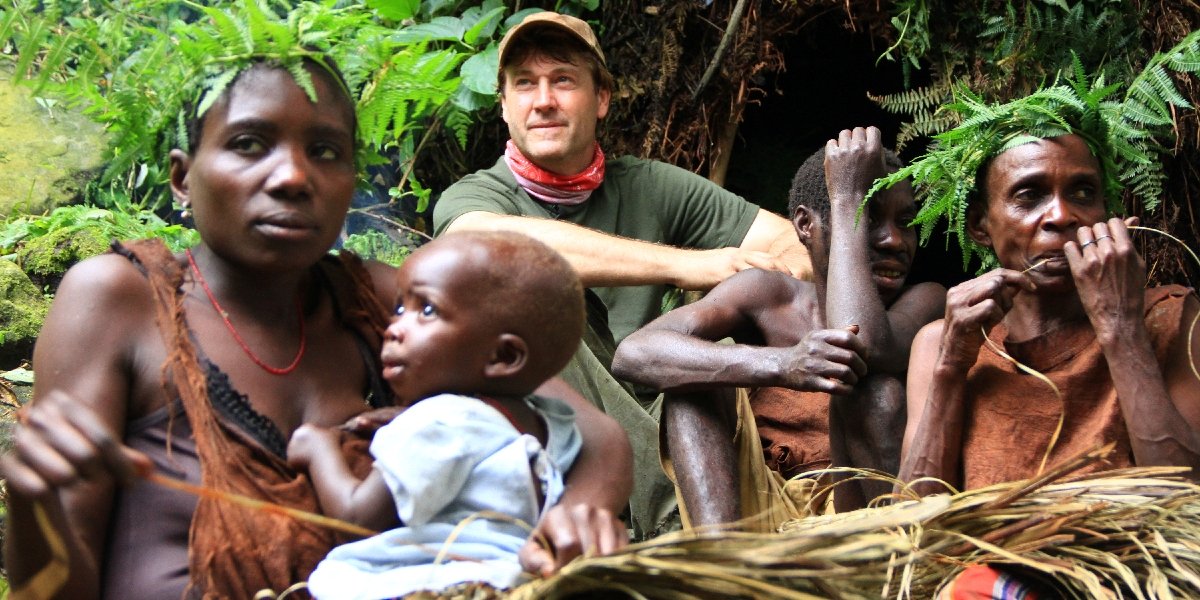
Collaboration has remained central to Wiese’s philosophy. He believes that exploration thrives when experts across disciplines share knowledge and resources. “No one explores alone,” he states. “The best discoveries happen when we bring different perspectives together.” His leadership has fostered partnerships between scientists, corporations, and research institutions, ensuring that exploration continues to drive innovation and global change.
Looking ahead, Wiese envisions exploration as a powerful tool for addressing the world’s pressing challenges. From combating climate change to preserving endangered cultures, he believes discovery must serve a greater purpose. “Exploration isn’t just about seeking the unknown,” he says. “It’s about applying what we learn to solve real-world problems.”
Through his leadership, Richard Wiese is shaping the future of exploration. He is making exploration more relevant by championing inclusivity, fostering collaboration, and ensuring that discovery remains a vital force for progress. Whether through his work at The Explorers Club, his television career, or his advocacy for science and conservation, Wiese inspires the next generation to push the boundaries of knowledge and discovery.
Published by Anne C.