
Group I Rematch of a 2002 Upset Headlines an Eight-Match Slate Building Toward the July 19 Final
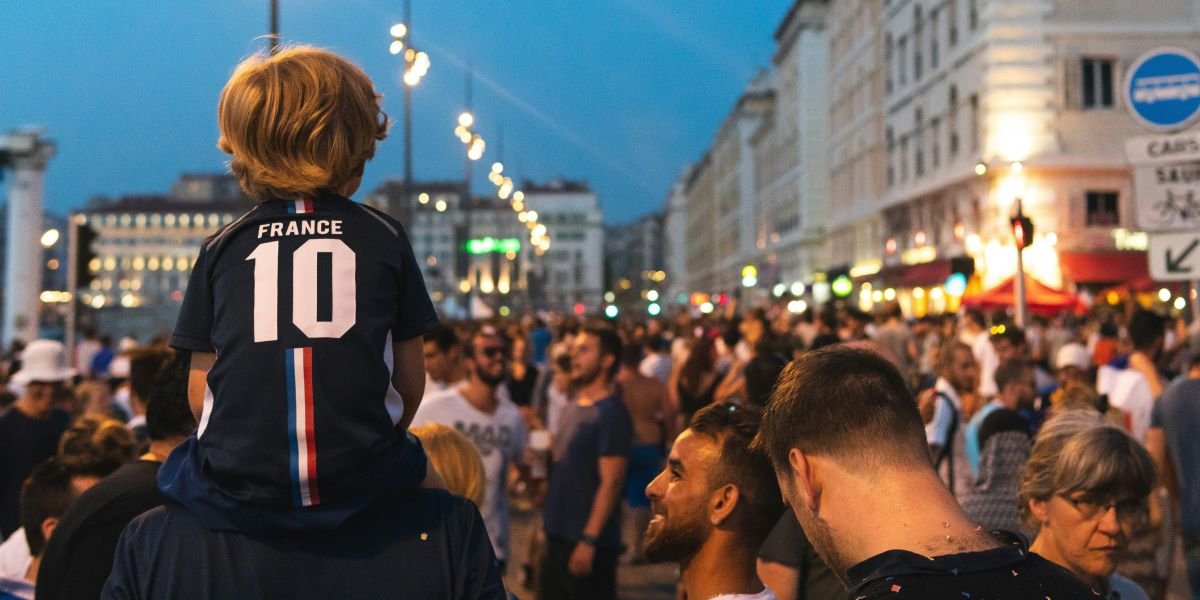
The 2026 FIFA World Cup has landed in the New York metropolitan area, and the region’s role in the tournament is only beginning to take shape. After an opening fixture that drew more than 80,000 spectators, attention now turns to Tuesday, June 16, when France meets Senegal at the stadium operating as New York New Jersey Stadium for the duration of the tournament. Kickoff is set for 3 p.m. ET.
The match carries more than group-stage stakes. It revisits one of the most consequential results in modern World Cup history: Senegal’s 1-0 defeat of then-defending champion France in the opening game of the 2002 tournament, a result that helped propel the Lions of Teranga to the quarterfinals. The colonial and footballing ties between the two nations give the fixture a weight that extends well beyond Group I positioning, where the two sides share the bracket with Iraq and Norway.
A Statement Opener at MetLife
The venue’s tournament debut came on Saturday, June 13, when Brazil and Morocco played to a 1-1 draw before a crowd of 80,663. Morocco, semifinalists in 2022 and reigning African champions, controlled long stretches of the contest after Ismael Saibari chipped goalkeeper Alisson Becker in the first half. Vinícius Júnior rescued a point for Brazil with an angled strike just past the half-hour mark. The result extended Brazil’s unbeaten run in World Cup openers to 21 matches dating back to 1934, though the performance left questions about Carlo Ancelotti’s side, which is chasing a first world title since 2002.
For New York and New Jersey, the Brazil-Morocco fixture functioned as a logistical rehearsal. The 82,500-capacity stadium in East Rutherford will stage eight matches across the tournament: five group-stage games, a Round of 32 fixture, a Round of 16 match, and the World Cup Final on July 19. That makes the venue the busiest of any across the three host nations and the organizing anchor for fan activity throughout the five boroughs.
Fan Zones Spread Across the Five Boroughs
The tournament’s footprint in New York City has expanded well past the stadium gates. The host region has activated a network of fan zones designed to keep the celebration accessible to those without match tickets. Rockefeller Center anchors the slate as a Fan Village, while Queens operates a Group Stage HQ. Additional zones have opened in the Bronx and on Staten Island, and Brooklyn has its own dedicated fan space. Mayor Zohran Mamdani announced that the Bronx fan zone will be free to enter, and Queens’ official Fan Fest is also free for all attendees.
The breadth of the activations reflects a deliberate strategy: while the matches themselves take place across the Hudson in New Jersey, the cultural and economic energy of the tournament is being concentrated in the city. NYC Tourism has leaned into that positioning with a citywide promotion offering $26 culinary specials, a nod to the tournament year, alongside limited-edition collectors’ cups distributed at participating venues.
Tickets, Access, and Community Distribution
Ticket demand has created a familiar tension between global interest and local access. To address it, the New York New Jersey Host Committee is distributing 770 free tickets for MetLife Stadium matches through community programs across New Jersey, a measure aimed at ensuring that residents of the host region share in an event that has drawn fans from around the world.
The financial scale of the tournament has also drawn regulatory attention. The attorneys general of New York and New Jersey have launched a joint probe into FIFA’s ticketing practices, examining pricing and resale policies as the demand for seats intensifies through the knockout rounds. Transportation has emerged as a parallel concern: NJ Transit has set $150 round-trip rail fares to MetLife Stadium for the duration of the tournament, and the Host Committee has published detailed guidance on reaching the venue without on-site general parking.
What the Region Stands to Gain
The economic argument for hosting has been central to the region’s pitch since FIFA awarded the final to the area. Officials have framed the tournament as a multi-week driver of hotel occupancy, restaurant traffic, and retail activity, with the final positioned as the marquee event on the global sporting calendar this summer. The stadium’s proximity to Manhattan as a media and hospitality hub was a deciding factor in the original bid, and the eight-match schedule gives the region sustained exposure rather than a single showpiece.
For now, the focus is squarely on Tuesday. France arrives under longtime head coach Didier Deschamps with depth across every position and the bruising memory of a 2022 final loss to Argentina. Senegal, navigating an ongoing arbitration dispute over the 2025 Africa Cup of Nations title, brings a generation of talent that many observers consider the strongest in the nation’s history. The 2002 result lingers as a reminder that the gap between the two sides has rarely been as wide as rankings suggest.
As the group stage unfolds, the New York region settles into a rhythm it will hold through mid-July: matches in New Jersey, celebration in the city, and a slow build toward the night when the World Cup trophy is lifted at MetLife.