
The New York City Council announced a 17-bill legislative package on August 4 aimed at regulating electric bikes, e-scooters, and other micromobility devices across the five boroughs. Council Speaker Julie Menin unveiled the proposals on the steps of City Hall following a string of fatal crashes involving illegal electric vehicles that regularly exceed the city’s 15-mph speed limit by wide margins.
Key Takeaways
- The City Council’s 17-bill package targets illegal e-bikes, e-scooters, and unregistered mopeds that can reach speeds of 30 to 60 mph, well above the legal 15-mph limit for electric micromobility devices.
- Proposed legislation includes banning the sale of certain faster e-bikes currently legal in NYC, requiring delivery companies to obtain commercial licenses and share trip data, and strengthening penalties for hit-and-run riders.
- A 17-year-old rider died on July 29 near City Hall after his illegal e-moto collided with an SUV; a woman was seriously injured by an e-bike while running in Central Park last month.
- Speaker Julie Menin has scheduled a September 30 oversight hearing where the Department of Transportation, the NYPD, and the Department of Consumer and Worker Protection will testify.
- Council Member Gale Brewer is preparing a resolution calling on Albany to pass a statewide e-bike registration and licensing law modeled on New Jersey’s recent legislation.
Fatal Crashes Accelerate the Legislative Push
The legislative package arrives in the wake of two deaths that drew citywide attention. On July 29, a teenager riding an illegal Deepower-branded e-moto was killed in a collision with an SUV near City Hall. In May, two men died in a head-on crash on the Queensboro Bridge involving an illegal e-scooter. Both incidents involved devices marketed online as e-bikes but capable of reaching speeds that far exceed any legal classification for electric bicycles in New York.
Family members of crash victims attended the August 4 press conference. Jessica Selano spoke publicly about her sister Jean, a 43-year-old jogger who was struck by an e-bike rider in Central Park last month. Jean has been hospitalized for nearly four weeks, faces multiple surgeries, and has limited recognition of her own name and family members.
Speaker Menin cited data showing that e-bike collisions in 2026 have risen more than 30% compared to the same period in 2025, with over 500 collisions recorded this year alone. The Council is framing the package as a comprehensive response to a safety crisis that has outpaced the city’s regulatory infrastructure.
What the 17 Bills Would Change
The legislative proposals address the problem from multiple angles. Several bills have already been formally introduced, while others remain in drafting stages ahead of the September hearing. Among the measures already on file are proposals to prohibit the sale and rental of throttle-powered Class 3 e-bikes capable of reaching 25 mph, require delivery app companies like DoorDash and UberEats to register for commercial licenses through the Department of Consumer and Worker Protection, and compel those companies to share data about their drivers’ trips with city agencies.
Other bills in the package would curtail the use of unregistered mopeds, strengthen consumer protection labeling so buyers understand when a device is illegal for street use, and increase penalties for riders who flee the scene of a crash. Council Majority Leader Shaun Abreu, who chairs the Committee on Transportation, has said the Council is also exploring the use of dynamometers, speed-testing tools used in European cities, to verify whether seized devices exceed legal power thresholds. The NYC Council’s micromobility legislative record shows a pattern of incremental regulation since e-bikes were legalized statewide in 2020, with battery safety and labeling laws passed in 2023 and 2024 forming the foundation for this expanded package.
The illegal devices at the center of the Council’s concern are manufactured with inexpensive components, often including manual brakes inadequate for their speed capabilities. Many feature hidden “off-road modes” that unlock top speeds between 30 and 60 mph. They are widely available for purchase online and can be assembled at home with minimal technical knowledge.
A State-Level Push for Registration and Licensing
Council Member Gale Brewer is preparing a separate resolution that would call on the New York State Legislature to pass a version of Priscilla’s Law, named after Priscilla Loke, an educator who was killed in 2023 by the rider of an electric Citi Bike. The resolution urges the state to require registration and licensing for all e-bikes and e-scooters through the Department of Motor Vehicles, a regulatory function that falls outside the City Council’s jurisdiction.
Brewer has pointed to New Jersey as a model, where a statewide e-bike registration law took effect last month. That law, however, has drawn criticism from cycling advocates and riders with disabilities who say the blanket requirements create bureaucratic barriers without meaningfully improving safety. Speaker Menin’s office has stated that the Speaker does not support city-level measures that place regulatory burdens on individual riders, though the distinction between city and state approaches remains a point of ongoing discussion within the Council.
Delivery Workers and the Corporate Accountability Debate
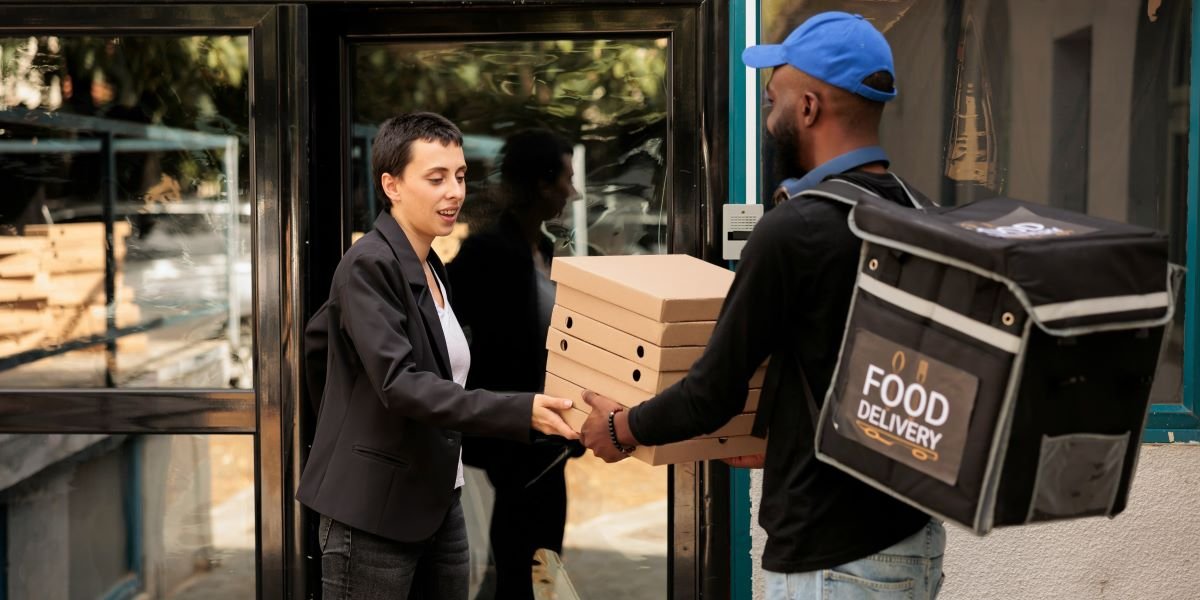
The legislative package also opens a broader conversation about the role of food delivery platforms in the e-bike safety crisis. Transportation Alternatives, the safe-streets advocacy group, has argued that delivery app companies profit from a system that incentivizes speed over safety. Delivery workers earn more by completing more orders per hour, which means faster riding translates directly to higher income for both the worker and the platform.
Amazon has already restricted the sale of certain e-bike models following the July 29 crash near City Hall. New York Attorney General Letitia James issued a consumer alert reminding businesses and consumers that marketing and selling vehicles as “e-bikes” or “e-scooters” that exceed state speed or power limits is a violation of New York law, and that such devices may legally be classified as e-motos, mopeds, or motorcycles subject to registration, licensing, and insurance requirements. The Council’s commercial licensing proposals would require delivery platforms to take greater responsibility for the vehicles their contractors operate on city streets.
The September 30 hearing will be the Council’s first full examination of both the proposed bills and the city’s current enforcement framework. The Department of Transportation, NYPD, and Department of Consumer and Worker Protection are all expected to testify.
FAQs
What Is the Legal Speed Limit for E-Bikes in New York City?
The legal operating speed limit for e-bikes and e-scooters on New York City streets is 15 miles per hour. Devices capable of exceeding 20 mph on motor power alone may be reclassified as mopeds under state law, which require a driver’s license, registration, and insurance. Illegal devices seized by authorities have been found capable of speeds between 30 and 60 mph.
When Will the NYC Council Vote on the E-Bike Bills?
The City Council has scheduled a comprehensive hearing for September 30, 2026, to examine all 17 proposed bills alongside current enforcement practices. Votes on individual bills have not been scheduled, and some proposals remain in drafting stages. The hearing will include testimony from the Department of Transportation, the NYPD, and the Department of Consumer and Worker Protection.
What Is Priscilla’s Law?
Priscilla’s Law is a proposed state-level bill that would require statewide registration and licensing for all e-bike and e-scooter riders through the New York State Department of Motor Vehicles. The legislation is named after Priscilla Loke, an educator who was killed in 2023 by the rider of an electric Citi Bike. Council Member Gale Brewer is preparing a City Council resolution urging the state legislature to pass the law.