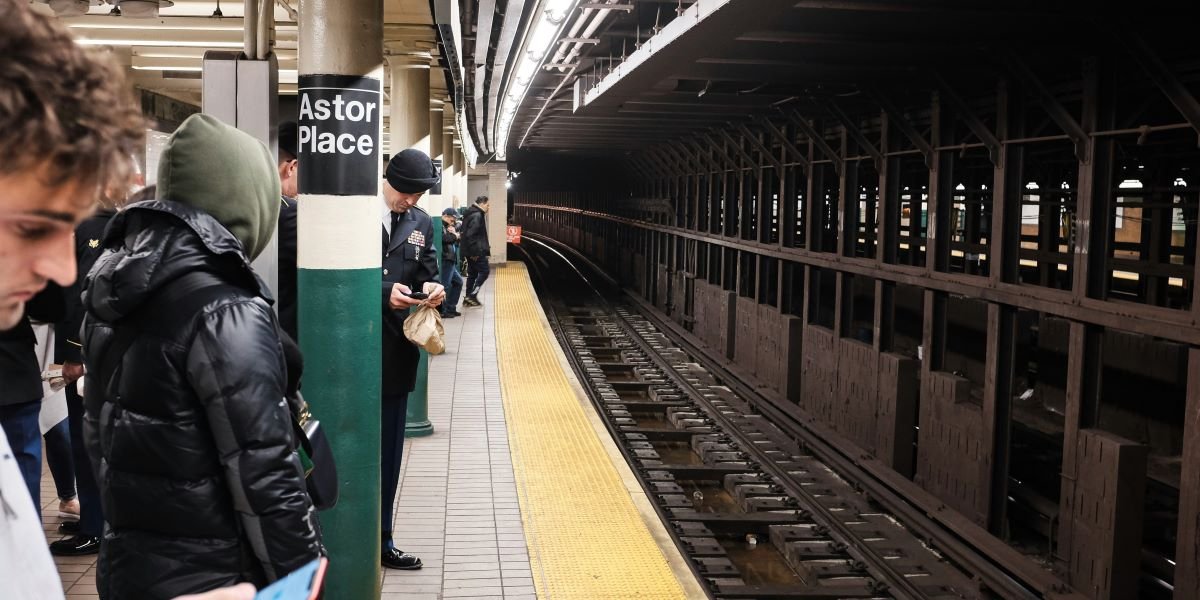

A fire aboard an MTA vacuum train at the Astor Place subway station in Manhattan’s East Village injured 14 people and temporarily shut down service on the 4 and 6 lines early Tuesday morning, August 4. The four-car maintenance train, used to suction debris and litter from the track bed, caught fire on the southbound express tracks just before 2:15 a.m., filling the station and street level with heavy smoke and triggering a second-alarm response that brought 141 FDNY and EMS personnel to the scene.
- Eight MTA workers and six firefighters sustained non-life-threatening injuries, primarily from smoke inhalation; all were transported to local hospitals and reported in stable condition.
- One additional MTA worker was evaluated at the scene but declined further medical treatment.
- The FDNY escalated the call to a second alarm before 3 a.m., deploying 141 first responders to the station at Astor Place and Lafayette Street.
- Firefighters brought the blaze under control by approximately 5:30 a.m., and 4/5/6 service resumed with delays in time for the morning rush.
- The fire originated in a filter bay section of the vacuum train where collected track debris is stored; the cause remains under investigation.
- A northbound passenger train arrived at the station during the fire; FDNY crews helped evacuate riders to street level without additional injuries.
A Maintenance Workhorse Becomes the Problem It Was Built to Prevent
The train that caught fire Tuesday belongs to a specialized fleet that the MTA operates specifically to reduce the risk of track fires across the subway system. Known internally as VakTraks, these 600-horsepower machines were manufactured by French company NEI and introduced to the New York subway in 2018. The MTA spent nearly $23 million to acquire three of the trains, which travel at 5 to 10 miles per hour during overnight hours, suctioning up trash, rail dust, oil residue, and other combustible material from the track bed. Each unit can collect up to six cubic yards of debris per run through a system of high-powered suction hoods monitored by onboard cameras.
The irony of a vacuum train — a machine designed to remove fire-causing debris — becoming the source of an underground blaze is not lost on transit observers. Track fires have been a persistent challenge for the MTA. From July 2023 to July 2024, the system recorded 904 track fires, a figure that was actually down from 1,283 during the same window the year prior. The MTA credited the vacuum trains themselves for much of that improvement. But in the 12 months ending November 2025, fire numbers climbed again, with systemwide subway fires increasing 8.5 percent to 885 from 816 during the prior period.
FDNY Assistant Chief Tom Currao, speaking to reporters at the scene, described the fire as concentrated in one section of the train where debris is collected and filtered. The filter bay pulls in oil, litter, and fine particulate matter from the tracks — all of it flammable. Currao called the fire “stubborn” and noted that crews had difficulty reaching the seat of the blaze within the enclosed collection system.
Smoke Fills the Station as a Passenger Train Arrives
The timing of the fire created a secondary emergency. As the vacuum train burned on the southbound express tracks, a northbound passenger train pulled into the Astor Place station and discharged its riders. Firefighters arriving at the scene encountered heavy smoke on both the platform and street levels and immediately moved to evacuate the passengers who had just stepped off the arriving train. None of those riders were reported injured, but the incident underscored how quickly a maintenance fire in the subway system can escalate into a public safety situation — even during the low-traffic overnight hours.
The FDNY’s initial response was upgraded to a second alarm before 3 a.m. as the scale of the smoke condition became clear. The 141 personnel dispatched to the scene included engine companies, ladder companies, and EMS units. Seven MTA workers were transported to local hospitals for treatment, primarily for smoke inhalation. An eighth worker was evaluated on-site but declined hospital care. Six firefighters were also hospitalized with smoke inhalation injuries. All injuries were described as minor, and all personnel were reported in stable condition.
Service Restored with Delays Ahead of Morning Rush
The MTA suspended all service on the 4 and 6 lines while crews worked to extinguish the fire and ventilate the station. The 5 line, which also runs through Astor Place, was affected as well. The city’s Notify NYC emergency alert system pushed notifications to commuters warning of delays and service changes between Astor Place and Lafayette Street.
By approximately 7 a.m., service on all three lines had resumed, though the MTA warned riders to expect continued delays throughout the morning. By mid-morning, the station had been cleaned and reopened, though a lingering smell of smoke persisted. The MTA and FDNY have not yet announced whether the damaged vacuum train will need to be replaced or repaired, and officials indicated that the investigation into the fire’s cause is ongoing.
Vacuum Trains and the Ongoing Battle Against Track Debris
The subway system’s track-cleaning operation runs on a rotation schedule, with the three VakTrak units cycling through stations systemwide during overnight hours when passenger traffic is lowest. The machines are part of a broader maintenance strategy that also includes manual track cleaning crews, flame-retardant spraying on wooden railroad ties, and replacement of corroded insulation on third-rail cables.
Despite those efforts, the volume of debris entering the subway system remains a constant challenge. MTA data from the 2024–2025 holiday season showed that garbage collection at the Rockefeller Center subway complex averaged 62.4 pounds per bag during peak tourist months, compared with 51.1 pounds per bag at other times of the year. The agency responded to that increase with weekly track cleanings at 13 Midtown stations during the holiday period, up from the standard 14- to 30-day rotation.
Tuesday’s fire at Astor Place is now the subject of an active investigation. Officials have not indicated whether the ignition was mechanical, electrical, or related to the composition of the collected debris. The MTA and FDNY are expected to release additional details as the investigation progresses.
FAQs
Were Any Subway Passengers Injured in the Astor Place Fire?
No passengers were injured. A northbound passenger train arrived at the station during the fire, but FDNY crews evacuated all riders to street level safely. The 14 injuries were limited to eight MTA workers and six firefighters, all treated for non-life-threatening smoke inhalation.
What Is a Vacuum Train and Why Was It Operating Overnight?
A vacuum train, or VakTrak, is a specialized four-car maintenance train equipped with high-powered suction systems that remove trash, oil, rail dust, and other debris from the subway track bed. The MTA operates three of these trains, which run during overnight hours when passenger service is reduced. The machines travel at 5 to 10 miles per hour and are designed to prevent track fires caused by accumulated debris.
Has 4/5/6 Service Fully Resumed?
Service on the 4, 5, and 6 lines resumed by approximately 7 a.m. on Tuesday, August 4, though the MTA warned commuters to expect residual delays throughout the morning. The station was cleaned and reopened by mid-morning.
How Common Are Subway Track Fires in New York City?
Track fires remain a recurring issue for the MTA. The system recorded 904 track fires between July 2023 and July 2024, down from 1,283 during the prior 12-month period. However, fire incidents ticked back up in late 2025, with systemwide subway fires increasing 8.5 percent over a 13-month window. Debris accumulation on tracks is the primary driver.