
By: Fabiana Simmons
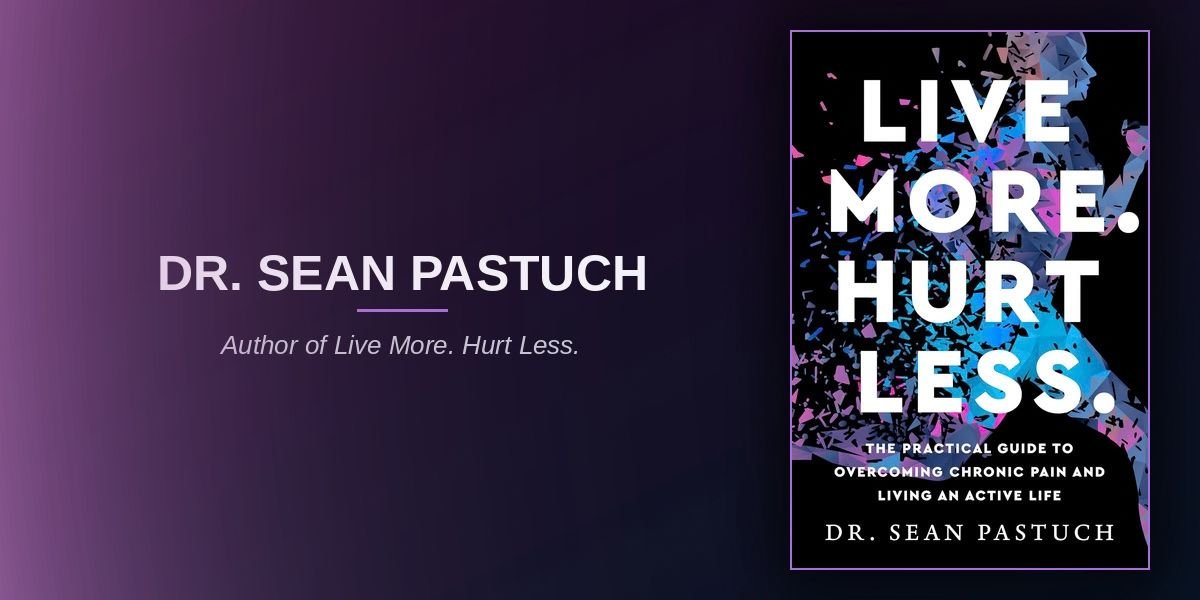
The most important reframe in Live More. Hurt Less. is also the most counterintuitive, and Dr. Sean Pastuch states it with the directness of someone who has been watching the conventional wisdom fail his patients for two decades: the problem is not the pain. The problem is what people do in response to the pain, the steady accumulation of small, reasonable compromises that quietly reduce the size of a life until the person living it barely recognizes themselves in the activities they have given up and the version of themselves they have settled for becoming. That insight, which Pastuch has earned through twenty years of clinical work with everyone from Olympians to people who could not walk upstairs without effort, is the foundation on which everything else in the book is built, and it is the reframe that distinguishes the guide from other books about chronic pain.
Pastuch writes with the particular combination of clinical credibility and personal honesty that is only available to someone who has been on both sides of the patient-practitioner relationship with chronic pain. His own experience of persistent neck pain reaching the point where he could not put his daughter on his shoulders is rendered not as a cautionary tale or a dramatic turning point but as the specific and human moment that crystallized what he had been observing in his patients and gave him the personal motivation to apply his own framework to himself. That willingness to include himself in the problem gives the book a candor that sets it apart from guides written from a position of comfortable professional distance.
The practical guidance he offers covers territory that most chronic pain resources address only partially. He writes about how to understand pain science clearly enough to know when pain is a signal worth heeding and when it is a habit worth challenging. He writes about how to use movement and exercise as medicine rather than as risk, building a body that is capable rather than protected. He addresses the psychological dimension of chronic pain directly and practically, offering tools for managing the mental experience of persistent pain that most physical treatment approaches leave entirely unaddressed. And he raises the identity question that almost nobody in the chronic pain conversation is willing to ask directly: who do you want to be on the other side of this, and what choices would that person be making differently than you are making now?
The book is also funny in places, which is both a surprise and a relief in a genre that tends toward relentless earnestness. Pastuch’s humor is never at the expense of his readers or his patients, but it is real and it makes the reading experience considerably more enjoyable than the subject matter would typically allow. That lightness alongside the substance is one of the qualities that makes the book feel like a conversation rather than a prescription, which is exactly what Pastuch intended.
If you have been slowly compromising on the life you want to live in order to manage the pain you are experiencing and are ready to stop letting chronic pain define the size of your world, Live More. Hurt Less. by Dr. Sean Pastuch is the book that shows you how. Head over to Amazon and get your copy today and start living more.