
By: Natalie Johnson
When turnover rises, performance slips, or morale starts falling, most companies reach for familiar solutions. They launch an engagement survey, bring in a training program, replace a manager, or roll out another employee initiative.
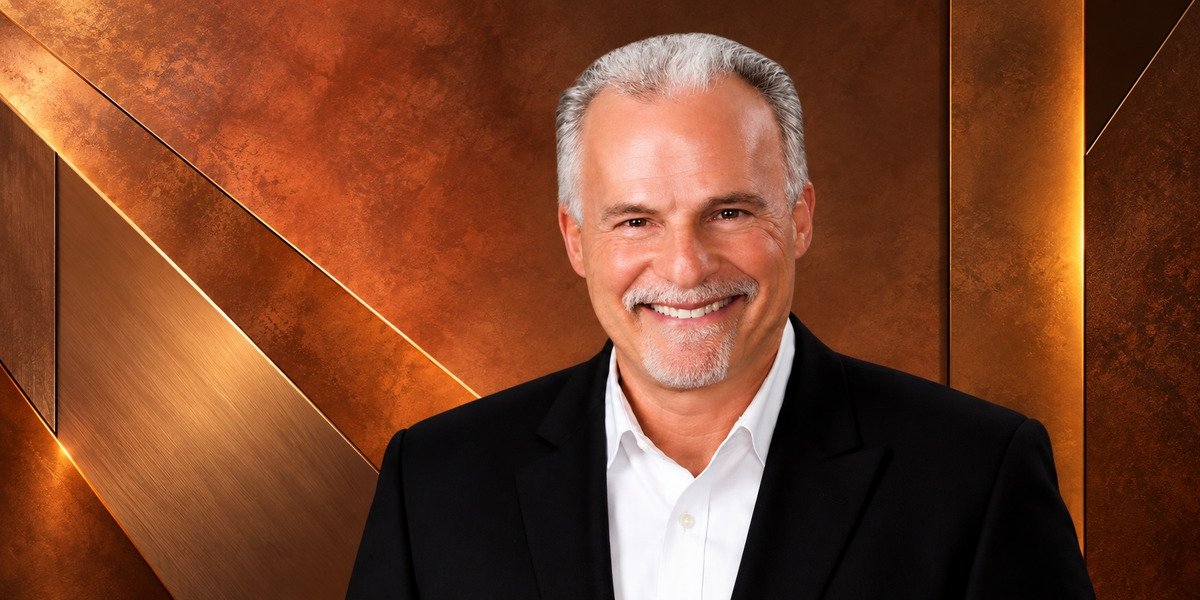
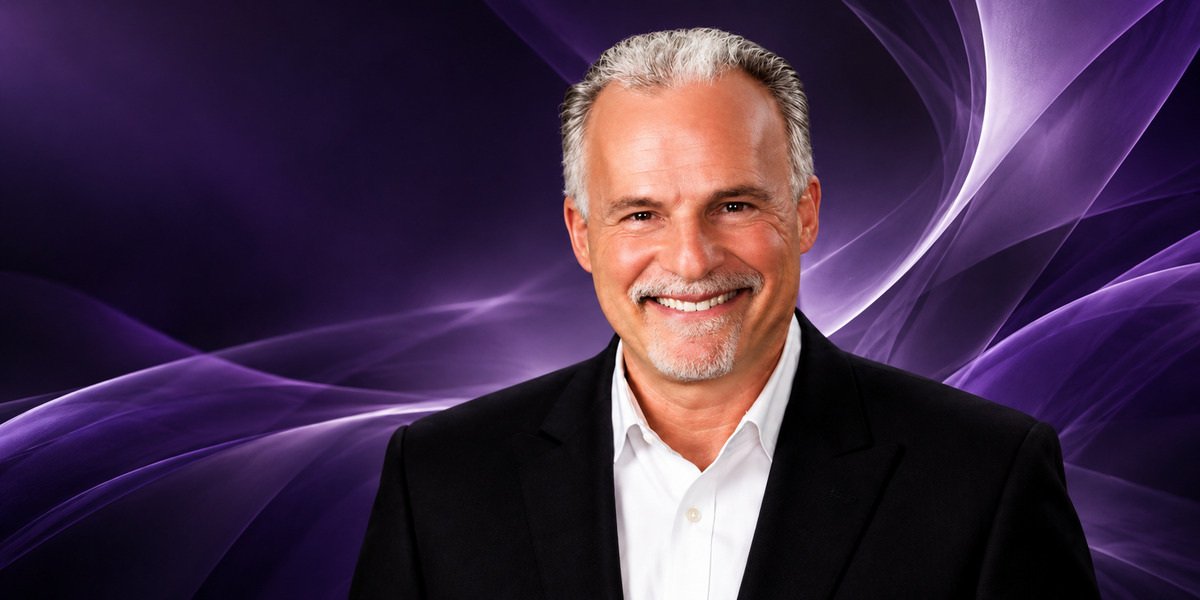
Dustin Snyder believes those responses often fail for one reason: they address the people experiencing the problem rather than the system producing it.
Snyder is the founder and chief advisor of Wayforward, a workforce strategy firm built around Strategic Workforce Insight Mapping, or SWIM. The methodology is designed to identify the structures, incentives, leadership dynamics, and unwritten rules that shape how employees behave inside an organization.
His perspective comes from more than two decades in human resources, labor relations, operations, and executive leadership. Before founding Wayforward, Snyder held senior leadership roles that included serving as president of a U.S. manufacturing division, where he was responsible for hundreds of employees and the day-to-day realities of running a complex operation.
That operator background shaped the way he approaches workplace culture. He does not view culture as a collection of slogans, perks, or employee sentiment scores. He treats it more like an operating system.
A Different Way to Read Workplace Problems
Organizations often personalize recurring problems. A department with chronic turnover may be labeled difficult to manage. A team that resists change may be called disengaged. A manager with poor results may be sent through another leadership program.
But when the same behaviors continue across different people, Snyder argues that leaders should look beyond the individuals and examine the environment around them.
Wayforward’s SWIM process is built to do that. Rather than beginning with a broad engagement score, the firm maps the conditions influencing behavior across an organization. The goal is not simply to determine whether employees are happy or unhappy. It is to understand why certain outcomes keep appearing.
If employees repeatedly avoid accountability, withhold information, resist new initiatives, or leave the company, Snyder’s approach asks a different question: What inside the organization is making that behavior rational?
Diagnosis Before Intervention
That focus has become central to Wayforward’s work. Rather than treating workforce challenges as isolated HR issues, Snyder’s methodology is designed to give leadership teams a clearer picture of the organizational forces behind them.
The shift reflects a larger point in his philosophy. Leaders do not always need another program or another person embedded indefinitely inside the business. Sometimes they need a defined diagnostic process that shows them what is happening, why it is happening, and where an intervention can have the greatest effect.
That thinking is also at the center of Snyder’s book, Sink or SWIM: The Human Systems Theory Approach to Business Performance. The book brings his methodology beyond Wayforward’s client work and gives leaders a framework for examining workforce behavior as the product of interacting systems rather than a collection of isolated personalities.
At a time when companies are investing heavily in AI, employee experience platforms, leadership development, and retention tools, Snyder’s message is comparatively simple: better intervention starts with better diagnosis.
For executives, that can require a different kind of accountability. It is easier to blame a weak manager or an unmotivated team than to ask whether the organization itself is rewarding the behavior leadership says it wants to eliminate.
If the same workforce problem keeps returning after new hires, new managers, new surveys, and new programs, the organization may not have a people problem at all. It may have a system working exactly as designed.