
Forgotten buildings, once hubs of community and commerce, now sit quietly in the shadows of modern developments. Yet these overlooked structures often hold untapped potential—both as investment opportunities and as catalysts for neighborhood revival. As urban centers grow and space becomes limited, there’s a movement to reimagine these spaces rather than replace them.
Investors, developers, and local organizations are recognizing the value in what already exists, leveraging history, location, and architectural character to breathe new life into old walls. As highlighted by Uri Kaufman and his business partner, Ira Schwartz, unlocking this potential requires a careful blend of vision, due diligence, and a willingness to embrace the unexpected. The process may be complex, but the rewards are often well worth the effort.
Forgotten Buildings and Their Overlooked Potential
Forgotten buildings are often abandoned or underused properties that have fallen out of public and investor interest. These can include shuttered schools, vacant factories, boarded-up retail stores, or disused warehouses. Despite their neglected appearance, many of these structures sit in prime locations and were originally built with durable materials that still hold value today.
In many older cities, these buildings are tucked within walkable neighborhoods or near expanding transit corridors. A former textile mill might sit a few blocks from a growing arts district, or an empty grocery store may be near a redeveloping residential area. Their absence from traditional listings often keeps them overlooked, but that doesn’t mean they lack potential or relevance.
Buyers tend to pass over these properties due to perceived complexity or uncertainty. However, those willing to research and assess the opportunity may discover that these forgotten structures offer untapped value at a fraction of the cost of newer developments.
Why These Structures Still Hold Value
Many forgotten buildings occupy prime locations that were once central to thriving communities. As urban areas grow and shift, these spaces often find themselves surrounded by new developments, giving them renewed relevancy. A closed-down post office or an old department store building could now sit just steps from a revitalized business corridor or trendy residential block. In some cases, proximity to new transit lines adds further appeal.
The bones of these structures are often stronger than those of newer construction. Thick brick walls, timber beams, and open floor plans offer flexibility for adaptive reuse. A former warehouse might transform into loft-style apartments or a mixed-use commercial space with minimal structural overhaul, saving time and money compared to ground-up builds.
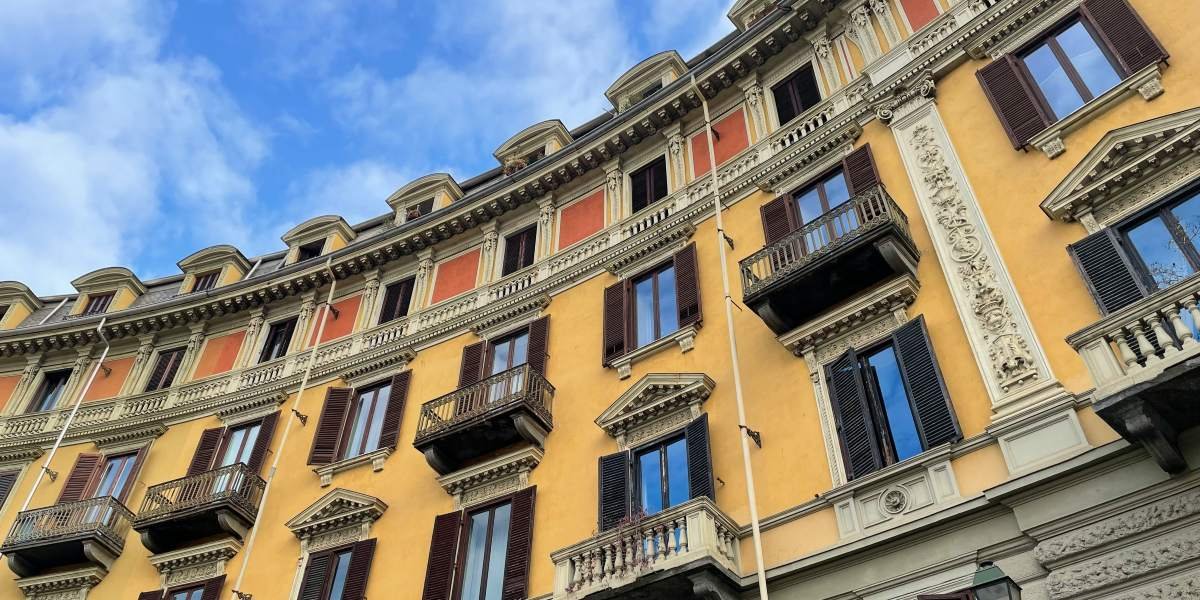
What makes these properties especially attractive is their uniqueness. Architectural details like vintage façades, arched windows, or exposed brick can’t easily be replicated. Buyers and renters alike are drawn to spaces with character, giving these sites an edge in competitive markets. In a sea of uniform modern buildings, these buildings often stand out and tell a story.
Who’s Investing and What Drives Their Interest
Smaller developers, local entrepreneurs, and even nonprofit organizations are increasingly eyeing forgotten buildings as viable opportunities. These investors tend to value creativity, community impact, and long-term gain over quick returns. A local bakery might convert an old firehouse into a flagship location, or a housing nonprofit may adapt an empty school into affordable apartments. Artists and makers also gravitate toward these spaces, drawn by size and affordability.
Lower purchase prices are a major draw. Since many of these sites are off-market or sold at auction, initial investment costs are often well below city averages. This creates room in the budget for renovations without pushing the project beyond financial feasibility. Risk-tolerant investors often see this as a chance to enter desirable neighborhoods at a lower price point.
Government support also plays a role. Tax credits for historic preservation, brownfield redevelopment grants, and local revitalization incentives help reduce risk and increase the appeal of tackling these projects. When combined with community buy-in and a clear vision, forgotten buildings can become profitable ventures with lasting impact. In some regions, city officials even offer guidance to fast-track redevelopment.
What to Evaluate Before Moving Forward
Before committing, it’s vital to examine both its physical condition and its legal standing. A structure that appears solid from the outside may hide interior damage like outdated wiring, compromised plumbing, or foundation issues. Engaging a knowledgeable inspector early can help avoid costly surprises down the road. Structural engineers may also be needed for older or historically designated properties.
Zoning regulations can either open doors or shut them completely. A former church might seem perfect for a community center, but local codes may prohibit such use without a lengthy approval process. It’s not uncommon for developers to encounter unexpected zoning overlays or community resistance.
Risks, Costs, and Practical Hurdles
Renovating older structures comes with a unique set of challenges. From asbestos removal to lead paint mitigation, the hidden costs of bringing a building up to modern standards can escalate quickly. Even with a solid plan, delays are common due to permitting backlogs, contractor shortages, or unexpected structural discoveries. Weather-related issues can also slow progress, particularly in regions with harsh winters.
Financing can also be more complicated. Traditional lenders may view these projects as higher risk, especially if the property has been vacant for years. This can lead investors to seek out alternative funding sources or partnerships, which may require more time and negotiation. Creative financing—such as bridge loans or crowdfunding—has become more common in recent years.
Despite efforts, market conditions can shift mid-project. A neighborhood on the rise can suddenly stall due to economic downturns or stalled infrastructure improvements. Successful investors often plan for such fluctuations by building flexibility into their budgets and timelines. Having a contingency fund and a phased rollout plan can help mitigate these risks.
Pathways to Getting Started
One of the easiest ways to get started is by connecting with local planning offices or community development agencies. Many municipalities maintain lists of properties slated for redevelopment or auction. These resources not only highlight potential opportunities but also provide insight into the city’s long-term vision. Staff may also point newcomers toward grants or technical assistance programs.
Online marketplaces focused on distressed or off-market real estate offer another entry point. Whether it’s a former train station in a growing suburb or a boarded-up storefront in a revitalizing downtown, many hidden gems can be found with a bit of patience and targeted searching. Some platforms even provide detailed property histories and zoning information.
Networking remains invaluable. Investors who attend neighborhood meetings or join preservation-focused groups often hear about properties before they hit the market. Hearing how others have transformed derelict buildings into vibrant spaces can provide both inspiration and practical guidance.
Disclaimer: The information presented in this article is for informational purposes only and does not constitute professional investment advice. The views and opinions expressed by the author are based on personal experiences and general industry trends. Readers should conduct their own research and seek advice from qualified professionals before making any financial or real estate decisions.