
The New York City subway recorded its one billionth rider of 2026 on October 8, when a Queens commuter tapped in at Jackson Heights-Roosevelt Avenue. The milestone arrived one week earlier than in 2025. It is the fifth straight year the system has crossed the billion mark sooner than the year before.
Key Takeaways
- Dr. Lynval Clayton-Rowe became the billionth rider at 10:24 a.m. at the Jackson Hts-Roosevelt Av station complex and received a $100 OMNY gift card.
- September 23, 2026 set a post-pandemic single-day record of nearly 4.7 million subway passengers.
- Average weekday ridership in September 2026 topped 4.2 million, with 15 days above 4 million riders.
- The billionth-rider date has moved from December 27 in 2022 to October 8 in 2026, nearly three months earlier.
- Subway customer satisfaction reached an all-time high of 63 percent in the Spring 2026 Customers Count survey.
- The MTA has 163 fully accessible stations, 48 of them completed since 2020.
A Queens Commuter Becomes the Billionth Rider
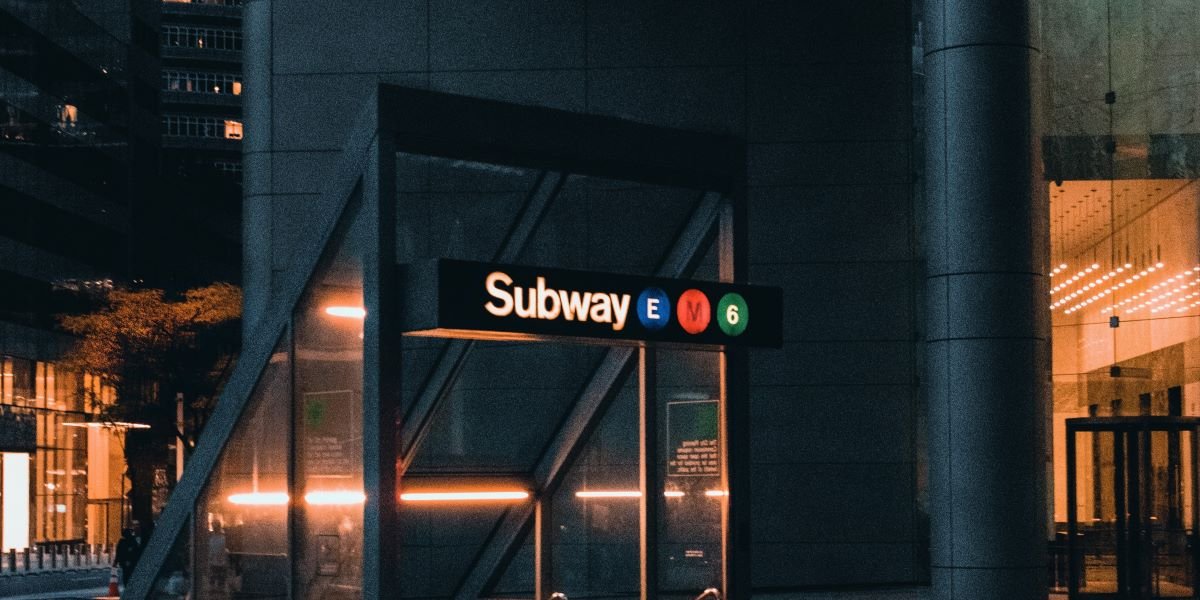
The billionth rider of 2026 was an ordinary weekday commuter. Dr. Lynval Clayton-Rowe, a professor of healthcare management and administration at the Mandl School, The College of Allied Health, tapped into the Jackson Hts-Roosevelt Av station at 10:24 a.m. on his way to work. The station complex serves the E, F, M, R, and 7 lines and ranks among the busiest transfer points in Queens.
Dr. Clayton-Rowe said he passes through the station at least four days a week. His reaction captured the surprise of the moment: “Am I dreaming or what?” The setting also fits the story the numbers tell. Ridership recovery has been driven by riders like him, who use the system several times a week for work.
The Billion-Rider Mark Keeps Arriving Earlier
The more telling figure is the date, not the billion itself. In 2022 the subway did not reach one billion riders until December 27. The mark moved to November 14 in 2023, November 4 in 2024, and October 14 in 2025. This year it landed on October 8.
Each year the gap shrinks, and each step reflects millions of additional trips spread across the calendar. Reaching the mark nearly three months earlier than in 2022 shows that the post-pandemic recovery has continued year after year rather than leveling off.
Daily figures support that read. September 2026 averaged more than 4.2 million riders per weekday. The week of September 14 cleared 4 million riders every weekday. July and August each logged 14 days above 4 million, compared with only 8 such days across the same period in 2025.
Office Occupancy, the Knicks, and the World Cup Drove the Surge
MTA Chair and CEO Janno Lieber tied the 2026 numbers to a mix of civic events and economic activity. He pointed to the Knicks championship, the World Cup, America 250, and surging office occupancy. “The subway has never felt more alive than in 2026,” Lieber said.
The event-driven spikes are measurable. On June 13, the night of the Knicks’ championship victory, 3.16 million people rode the subway. That was 15 percent higher than a typical June Saturday compared with 2025. During the World Cup, the MTA added extra service on the 1, C, F, and 7 lines to carry fans to games and watch parties.
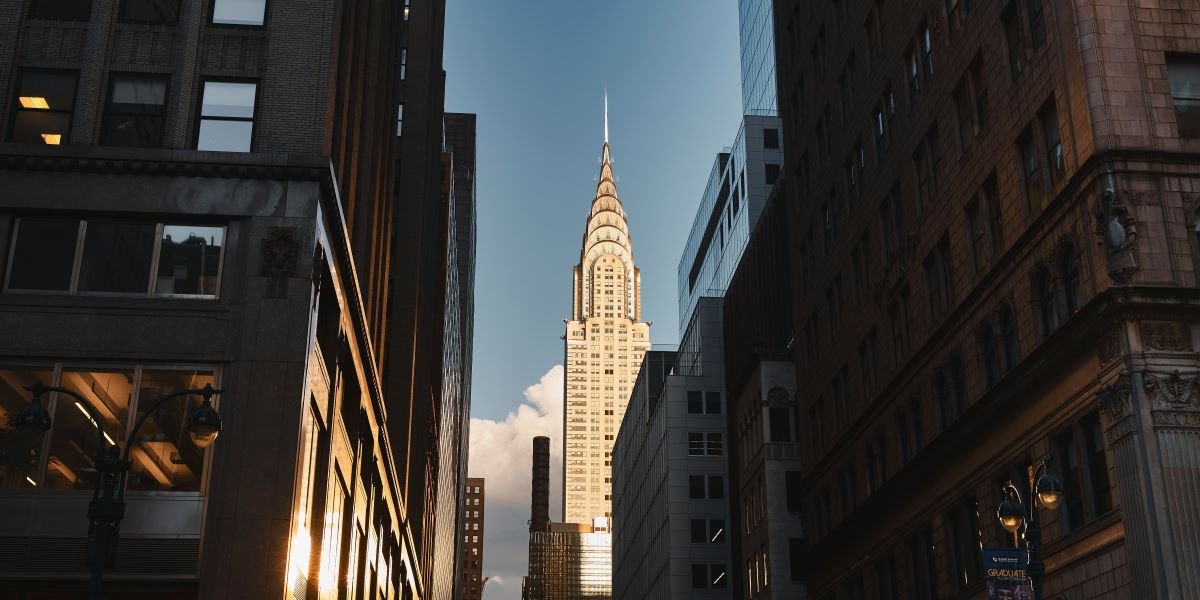
The office-occupancy factor matters most for the city’s business outlook. Weekday ridership in the 4-million range points to more workers returning to Manhattan offices on a regular schedule. Landlords are investing on that assumption, as shown by a 150-year ground lease to reposition the Chrysler Building as a boutique office property. A full subway and a recovering office market tend to reinforce each other.
New Trains and Station Upgrades Back the Ridership Gains
The MTA links part of the ridership growth to visible upgrades. New York City Transit has introduced R211 subway cars on six lines and the Staten Island Railway since March 2023, most recently on the D line in July. The authority expects to put its 1,000th R211 car into service later this month.
The next fleet order is larger still. The MTA is seeking proposals for a base order of 1,140 R211 cars to replace the R62 and R62A fleets on the 1, 3, and 6 lines. An option for 1,250 more cars would replace older equipment on the 2, 4, and 5 lines. The authority calls this the largest subway car contract in its history.
Accessibility work is moving alongside the fleet upgrades. Of the system’s 163 fully accessible stations, 48 have been completed since 2020, the most in MTA history. The 2025-29 Capital Plan commits nearly $7.1 billion to station accessibility, covering 60 newly ADA-accessible stations and 48 modernized elevators.
What the Milestone Means for New York
The billionth-rider count is a ceremonial number, but the trend behind it carries real weight for the city. Rising ridership supports farebox revenue, foot traffic for street-level businesses near major stations, and the case for continued capital investment. New York City Transit President Demetrius Crichlow credited the transit workforce behind the milestone. Customer satisfaction at 63 percent suggests riders are noticing the changes.
If the pattern holds, the 2027 billionth rider could arrive in late September. That would make one more year in which the subway reaches the mark faster than the year before.
FAQs
Who was the billionth NYC subway rider of 2026?
Dr. Lynval Clayton-Rowe, a healthcare management professor at the Mandl School, was the billionth rider. He tapped in at the Jackson Hts-Roosevelt Av station in Queens at 10:24 a.m. on October 8, 2026.
When did the NYC subway reach one billion riders in previous years?
The subway reached one billion riders on December 27, 2022, November 14, 2023, November 4, 2024, and October 14, 2025. The 2026 milestone on October 8 was the earliest of the post-pandemic period.
What is the NYC subway’s post-pandemic single-day ridership record?
The record is nearly 4.7 million passengers, set on September 23, 2026. September 2026 also averaged more than 4.2 million riders per weekday.
How many NYC subway stations are fully accessible?
The MTA has 163 fully accessible stations, including 48 completed since 2020. The 2025-29 Capital Plan funds 60 more newly accessible stations.
What did the billionth subway rider receive?
Dr. Clayton-Rowe received a $100 OMNY gift card from the MTA to mark the milestone.