
Scroll through enough beauty content and varicose veins start to look like a flaw. Something to smooth over before summer. But that’s not the full picture. Nearly a quarter of adults deal with varicose veins, and the leg fatigue that comes with them is rarely just cosmetic. Doctors flag it as an early marker of chronic venous insufficiency, tied to real vascular decline. Radio frequency treatment for varicose veins goes after that deeper problem, not just the veins on the surface.
More Than Skin-Deep
Blood doesn’t move through separate, isolated pipes. It runs as one connected loop. So when leg veins fail, the pressure doesn’t stay put, it travels back through the heart, lungs, and kidneys. Yale Medicine puts the share of adults affected by chronic venous insufficiency somewhere between 10 and 35 percent, and the odds climb with age. Radiofrequency ablation seals the failing vein and takes that pressure off the rest of the system.
The Second Heart and the Gravity Problem
Gravity does the easy part. It pulls blood down toward the feet without any effort at all. Getting it back up is the hard part, and most of that work falls to the calf muscle, sometimes called the second heart. Every step contracts the calf and drives blood upward through one-way valves, which snap shut behind it and stop gravity from pulling it back down.
Trouble starts once those valves stretch out or wear down. Blood slips backward, pools in the lower legs, and gravity keeps it there. That produces the bulging, rope-like veins visible under the skin, a sign of a bigger mechanical failure underneath.
Why the Heart Ends Up Working Overtime
Basic fluid dynamics explains the rest. Failed valves create a pressure spike in the legs, something doctors call ambulatory venous hypertension. Less blood makes it back to the heart, so each beat pumps a smaller volume. To make up the difference, the nervous system pushes the heart rate up and tightens the blood vessels.
That quiet compensation happens daily. It’s a big part of why patients report fatigue that seems unrelated to their legs. Radio frequency treatment for varicose veins breaks the pattern at the source.
Inflammation That Starts in the Leg and Spreads
There’s a chemical side to this too. Pooled blood moves slowly, loses oxygen, and turns acidic. White blood cells that usually flow freely start clinging to the vein walls instead. Once attached, they release inflammatory chemicals, cytokines among them, that spread well past the leg.
Joint stiffness, brain fog, muscle aches. All of it can trace back to a vein problem most people never think to blame. Locally, the same process drives skin discoloration, swelling, and ulcers that refuse to heal.
What Radiofrequency Ablation Actually Resets
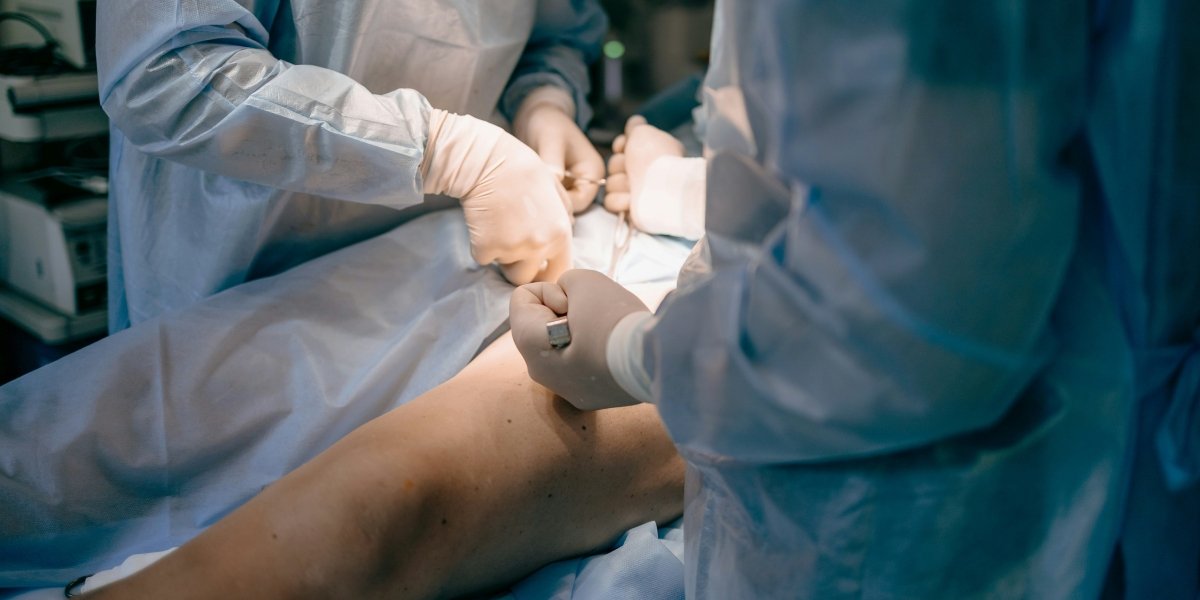
A vascular specialist threads a thin catheter into the diseased vein, guided by ultrasound. Controlled heat makes the vein’s collagen contract, and the vein collapses for good. Blood reroutes almost immediately to nearby veins with valves that still work. Closing off a vein might sound like it would hurt circulation, but it doesn’t. A varicose vein was already working against circulation, not for it. Sealing the leak is really the whole point.
Patients tend to notice a few shifts fairly soon after treatment:
- Venous return improves, easing the heart’s daily workload
- Inflammation drops once pooling and oxygen loss stop
- Fluid balance normalizes, easing chronic swelling and heavy legs
Recovery, and Getting Back to Normal Life
Athletes and gym regulars are sometimes the ones most surprised by this treatment. Pooled blood slows how fast lactic acid clears out, dragging out soreness and raising the odds of cramping mid-workout. Recovery runs about seven to ten days, with a short pause on heavy lifting or intense training. Not a vacation, but far shorter than the old surgical alternatives.
Some mild stinging or tightness along the treated vein is normal for a few days, just nearby nerves reacting while the body reabsorbs the closed vein. A quick in-office ultrasound, the kind offered at practices like Wellness and Pain, is usually enough to confirm healing is on track.
A Visible Sign Worth Looking Into
Varicose veins are rarely just a cosmetic issue in the end. Elevating your legs, drinking more water, or popping a supplement won’t fix a valve that’s already failed. A diagnostic duplex ultrasound remains the standard way to check venous health and figure out what comes next.
Practices like Wellness and Pain often start with that exact screening, a short in-office ultrasound to check for vessel disease, and many accept most major insurance plans for it. That first step matters more than any home remedy, since it points to the root cause instead of the surface symptom.
Frequently Asked Questions
Can treating a leg vein really ease brain fog or full-body fatigue?
It can. Pooled blood slows venous return, so the heart beats faster to compensate. Leukocytes trapped in leg veins also release inflammatory proteins into general circulation. Treating the leg vein addresses both problems at once.
What causes the tingling or “zingers” felt after treatment?
Nearby sensory nerves. They pick up mild irritation as the vein closes and the body reabsorbs it. Normal part of healing, and it usually fades within a few days.
Does permanently closing a vein restrict blood flow?
No, it improves flow instead. A varicose vein has already stopped moving blood forward correctly, since damaged valves let it fall backward. Sealing that vein simply redirects circulation to the healthy veins nearby.
How does venous pooling affect athletic recovery?
Workouts generate lactic acid and waste that healthy calf muscles usually clear out fast. Once valves start failing, that clearance slows way down. Soreness stretches out, and cramping risk climbs during training.
How long does recovery from radiofrequency ablation take?
Most people are back to light activity within a few days. Full training usually resumes within seven to ten days, though the exact timeline depends on individual healing and activity level.