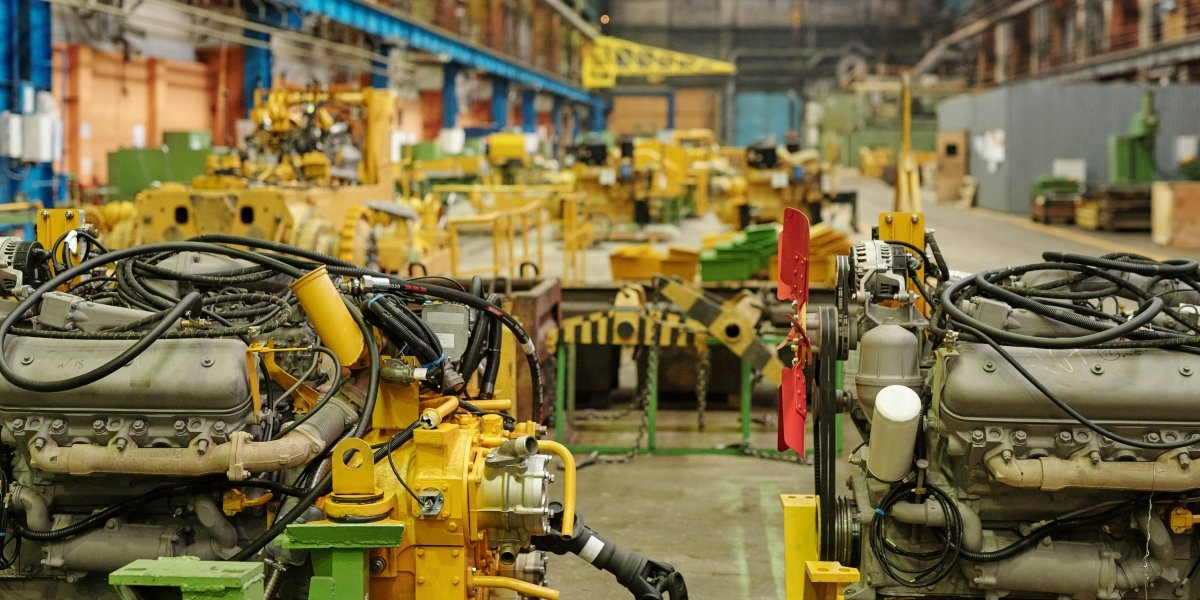

While many private equity firms chase digital disruption and SaaS scalability, Jeremy Tomes is pursuing a different type of revolution—one rooted in tangible value, domestic capability, and industrial grit. Through his growing portfolio of manufacturing-centric acquisitions, Tomes is quietly spearheading a revitalization of American small-scale manufacturing that puts product, precision, and local ownership first.
This isn’t a nostalgic nod to a bygone era. It’s a forward-facing strategy that leverages strategic capital, operational overhaul, and intentional ownership transitions to bring old-world manufacturing into the modern age. And the impact is already visible across regional economies.
A Playbook Built on Underappreciated Assets
At the core of Tomes’ strategy is a simple thesis: the U.S. manufacturing sector, especially in second-tier markets, is drastically undervalued.
Thousands of small, highly profitable shops that produce essential goods are led by aging owners with no clear succession plan. Their products are critical. Their customer bases are loyal. But their operations are stuck in the past—ripe for digital transformation and scalable systems.
That’s where Tomes comes in.
Instead of flipping companies based on financial engineering, he applies a methodical model:
- Identify regional manufacturers with proprietary processes or niche client contracts.
- Structure flexible deals that allow founders to exit gradually.
- Upgrade systems, ERP, quoting, and customer management without disrupting workflow.
- Introduce shared procurement to increase margins.
- Position the platform for regional dominance or federal contracts.
The result? Value creation that’s rooted in real operational improvement, not just spreadsheet gymnastics.
A Focus on Industrial B2B
Jeremy Tomes is not targeting high-end consumer manufacturing. His firm’s focus is on industrial B2B suppliers—companies that make parts, panels, components, frames, steel forms, concrete products, or other materials used in construction, infrastructure, defense, or utilities.
These businesses often have:
- 20 to 50 employees
- $3M–$15M in annual revenue
- Owner-operators nearing retirement
- Limited digital presence
- Strong recurring customers (often municipal or contractor-based)
Where traditional private equity sees complexity, Tomes sees opportunity. These are the exact types of businesses that power America’s physical economy, but rarely receive capital or modern systems.
And by consolidating these companies under shared back-office management and procurement platforms, Tomes helps improve both overall revenue and profitability
Workforce Retention Through Ownership Stability
One of the unsung challenges of manufacturing acquisitions is labor. A skilled workforce doesn’t stick around when ownership becomes chaotic or overly corporate. Jeremy Tomes solves this by preserving cultural continuity during the transition process.
In many of his acquisitions, the company retains its brand identity, its local leadership team, and even its community involvement initiatives. But behind the scenes, it’s supported by a more sophisticated infrastructure.
By doing this, Tomes builds trust with employees, reduces turnover, and increases productivity.
He also understands that many of these workers are generational—sons and daughters of machinists, welders, and technicians who are proud of the legacy. His model respects that pride.
The Technology Overlay
While the products remain physical, the infrastructure does not. After the acquisition, Tomes injects cloud-based systems for:
- Inventory management
- Supply chain tracking
- Customer order history
- Dynamic quoting
- Field rep scheduling
This allows traditional manufacturers to bid faster, serve more clients, and report more effectively, especially when dealing with government buyers that require detailed documentation.
Tomes also introduces energy-efficient upgrades and capital improvements that align with long-term ESG trends, which can open the door to larger buyers, partnerships, and federal incentives.
Re-Industrialization Without Global Dependency
Jeremy Tomes’ model is especially timely in a post-COVID world where global supply chain reliability has eroded. His companies manufacture domestically, source regionally, and deliver locally, drastically reducing the fragility that has plagued international logistics.
This positions his portfolio companies as strategic vendors for buyers seeking “Made in USA” assurance, tighter lead times, and domestic control.
This model also makes the companies more valuable long-term, whether the exit path is a strategic buyer, recapitalization, or permanent hold with strong cash yield.
Social and Economic Impact
Beyond EBITDA, there’s a quiet community impact to Tomes’ work. His acquisitions often:
- Preserve dozens of blue-collar jobs in small towns
- Prevent the shuttering of vital regional manufacturing
- Support local contractors with more reliable suppliers
- Empower minority ownership and leadership
- Enable better community reinvestment through growing payrolls and local taxes
This is private equity with a backbone, not just a bottom line.
It’s an approach that has won Tomes fans across the political spectrum, from economic development councils to city procurement offices. His companies aren’t outsourcing jobs—they’re expanding headcount.
Building a Nationwide Industrial Network
Jeremy Tomes’ long-term vision appears to be the creation of a nationwide industrial platform—one built not by acquiring mega-plants, but by unifying small-to-mid-sized manufacturers across verticals like:
- Precast concrete
- Electrical conduit and enclosures
- Rebar and structural supports
- Steel fabrication
Infrastructure-grade plastics and materials
Each company retains its specialization but benefits from shared R&D, supplier discounts, sales strategy, and centralized financial control.
Over time, this creates a dense, resilient, and highly profitable platform that can adapt to regional needs and national supply chain pivots.
Final Thoughts
Jeremy Tomes is not playing the traditional private equity game. He’s rewriting the rules, focusing on legacy businesses, regional impact, and operational improvement.
Through strategic acquisitions, workforce retention, and industrial modernization, he’s helping lead a new era of American manufacturing quietly but powerfully.
To learn more about Jeremy Tomes and his manufacturing-centered approach to private equity, visit https://biglawcapitalist.com/jeremy-tomes/
Disclaimer: The content is for informational purposes only and should not be construed as financial or investment advice. All statements regarding business practices, strategies, and potential outcomes should be independently verified through appropriate channels. No guarantees are made regarding the success or profitability of any business strategy or investment.