
Online loan applications look simple, but every field has a purpose. Behind each box is a question the lender needs answered before it can fund you the same day. Walk through a typical application form with us, one field at a time, and you’ll see exactly what lenders want and why.
Forms vary by lender, and meeting these general expectations doesn’t guarantee approval. But if you can fill in every field below accurately, you’ll be well prepared.
Section A: Business Information
Field 1: Legal Business Name
What to enter: The exact name on your state registration, including “LLC” or “Inc.”
Why they ask: Everything else, including your bank account, EIN, and public records, must connect to this name. Any mismatch stops automated checks and sends your file to manual review.
Field 2: Doing Business As
What to enter: Your trade name, if you use one.
Why they ask: Your customers and bank deposits may show this name. Have your DBA filing on hand.
Field 3: EIN
What to enter: Your nine-digit employer identification number from the IRS.
Why they ask: It connects your application to tax and business records. Sole proprietors may use a Social Security number with some lenders, but having an EIN is usually better.
Field 4: Business Start Date
What to enter: The date you legally began operating.
Why they ask: Time in business is one of the first screens. Many same-day products look for at least several months, and some want a year or two.
Field 5: Industry
What to enter: An accurate description of what you do.
Why they ask: Most lenders maintain restricted lists, which might include certain financial services, adult businesses, gambling, or cannabis, depending on the lender. Trying to describe your business as something else can lead to serious problems later.
Field 6: Business Address
What to enter: Your physical operating location, along with whether you lease or own it.
Why they ask: It verifies that you exist and sometimes affects eligibility by state. Lenders may ask for a lease or a utility bill.
A helpful way of previewing these fields is reading about Fundivi’s step-by-step funding process, which illustrates what’s usually requested at each stage.
Section B: Financial Information
Field 7: Monthly Revenue
What to enter: Your actual average, based on recent months.
Why they ask: It’s the basis for your offer. Don’t round up. The figure will be compared to your statements, and differences raise doubts.
Field 8: Amount Requested
What to enter: What you truly need.
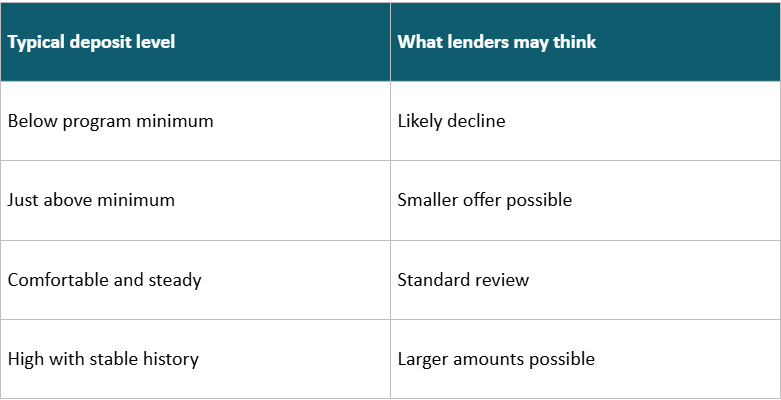
Why they ask: They’ll compare it with your revenue. Requests beyond about one month’s deposits often need more review.
Field 9: Use of Funds
What to enter: One specific sentence, such as “Purchase $18,000 of inventory for a confirmed holiday order.”
Why they ask: Purpose affects risk. A lender may prefer inventory or equipment to “paying off other loans.”
Field 10: Existing Business Debt
What to enter: Every loan, advance, and line, with balances and payment amounts.
Why they ask: They’re evaluating how much cash remains after your obligations. These debits will be visible on your statements, so accuracy is essential.
Field 11: Bank Statements Upload
What to attach: Three to six months of complete PDFs, including all pages. Avoid screenshots.
Why they ask: Statements confirm revenue and reveal overdrafts, negative days, and other lenders. Altering a statement in any way is fraud, and reviewers have tools designed to detect it.
What lenders look for on statements:
- Average monthly deposits, excluding transfers
- Average daily balance
- Number of negative days
- Returned payments
- Recurring debits to other funders
- Large unusual transactions
Some lenders accept a read-only connection instead of PDFs. If you’d like more background on how quick lenders vary, read a roundup of working capital loans for online sellers for a look at how platform revenue can be treated.
Section C: Owner Information
Field 12: Owners Over the Threshold
What to enter: Everyone with an ownership share at or above the lender’s limit, commonly 20% or 25%.
Why they ask: Those people usually must be identified, and may need to provide guarantees. Federal rules also require financial institutions to identify the beneficial owners of certain business customers.
Field 13: Social Security Number and Date of Birth
What to enter: Accurate personal details for each owner.
Why they ask: These are needed for identity checks and credit reports. Never provide them to a company you haven’t verified.
Field 14: Consent to Credit Check
What to review: Whether this is a soft inquiry or a hard one.
Why they ask: Fast lenders still commonly check credit, though scores usually carry less weight than cash flow. Merchants with card volume can read this AP notice on merchant loan availability about one such product, but credit often influences your price.
Field 15: Bankruptcy, Liens, and Judgments
What to enter: Honest answers. If yes, give an explanation.
Why they ask: Lenders run public record searches regardless. An undisclosed issue that turns up later can end the application and damage your credibility.
Section D: Verification
Field 16: Phone Number and Best Time to Call
What to enter: A number you’ll actually answer today.
Why they ask: Most same-day funders conduct a short call. Missing that call is one of the easiest ways to lose a day.
Field 17: Bank Account for Funding
What to enter: Your business operating account, with routing and account numbers.
Why they ask: Funds are sent here and repayments are usually drawn from it. The name on the account must match the borrower.
Field 18: Electronic Signature
What to review: Everything you’re agreeing to. Check whether the application authorizes sharing your data with third parties, which can lead to a surge of sales calls.
The Fields That Aren’t on the Form
Some factors can’t be entered in a box, but they influence same-day funding just the same:
The hour you apply. Mornings and early weekdays give your application the full day.
The transfer method. Wires are usually faster than ACH. Bank holidays and weekends can pause both.
Your response time. Requests for one more document are routine.
Your state. Some products aren’t offered in every state, and some states require specific disclosures.
What to Do If You Can’t Complete a Field

Once your form is ready, compare providers. Resources such as the CompareBusinessLoansOnline.com lender checklists can suggest candidates, and each provider’s own terms should be checked directly.
Common Answers That Slow Down Review
Certain responses almost always prompt a follow-up. “Various” under use of funds, a round number for revenue, or a start date that doesn’t match state records will each cost you time. So will an email address that goes unchecked. Review your completed form as a stranger would, and replace anything vague with a specific fact.
Frequently Asked Questions
What’s the minimum to qualify for a same-day business loan?
Commonly several months in business, a minimum monthly revenue, a business bank account, and an acceptable record of account activity.
Do I need a business plan?
Almost never for same-day products. Banks and SBA lenders are more likely to ask.
Can I apply with personal bank statements?
Some lenders might consider them for very small businesses, but a dedicated business account is strongly preferred.
Are tax returns required?
Usually not for small same-day amounts. Bigger requests commonly require them.
Do all owners have to sign?
Owners above the threshold often do, and spouses may have to sign in some states or situations.
How long are my statements valid?
Lenders usually want the most recent months, so older files may need updating.
Can I save an application and finish later?
Often, but partial applications can still trigger sales outreach, so read the consent language.
Will collateral be required?
Specific collateral often isn’t, but a personal guarantee and general lien are common.
Can a lender decline after approval?
Yes. Final verification can change an offer if new information appears, so an early approval isn’t a promise of funding.