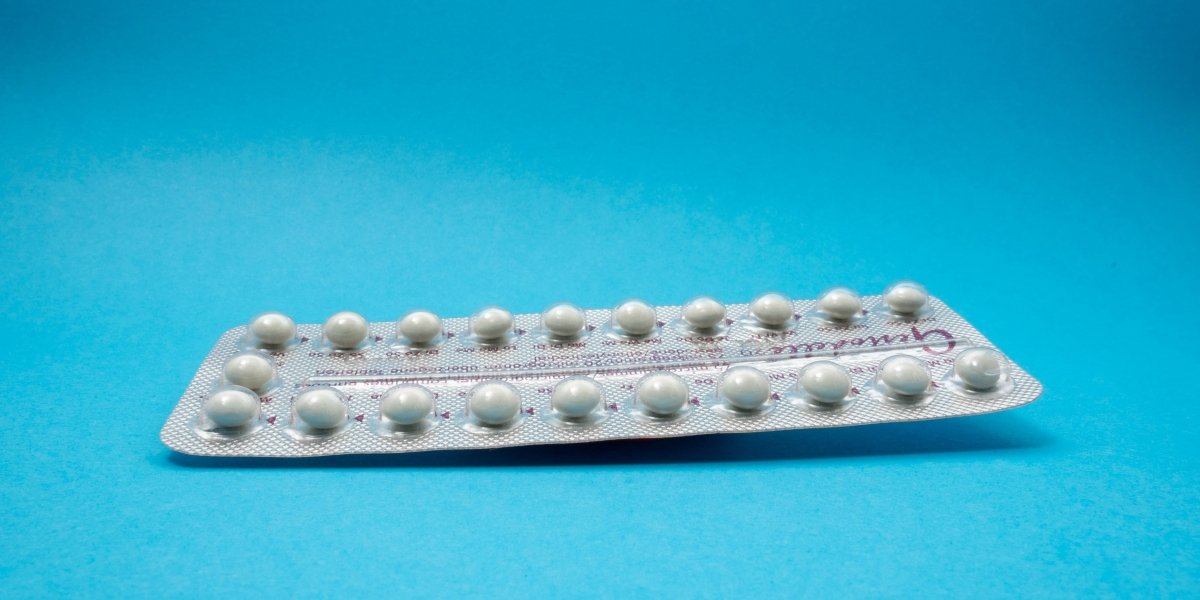

The landscape of hormonal contraception has evolved significantly since the mid twentieth century. While the combined oral contraceptive pill remains a popular choice for many, a significant portion of the population requires or prefers an alternative that does not contain estrogen. This is where the progestogen only pill, often referred to as the mini pill, plays a vital role. Among the various types of mini pills available today, desogestrel has emerged as a gold standard due to its high efficacy and unique pharmacological profile.
Desogestrel is a synthetic form of the female hormone progesterone. Unlike older generations of progestogen only pills which had very narrow windows for administration, desogestrel offers a more flexible and robust level of protection. Many women choose this option because it avoids the cardiovascular risks sometimes associated with estrogen, such as blood clots or increased blood pressure. When looking for reliable contraceptive options, many patients turn to Post My Meds to access professional guidance and prescription services safely and conveniently.
Understanding how this medication works requires a look at the endocrine system. The body relies on a delicate balance of hormones to regulate the menstrual cycle. By introducing a consistent dose of synthetic progestogen, desogestrel alters these natural rhythms to ensure that pregnancy is highly unlikely. It is a sophisticated method of birth control that balances clinical efficiency with a high degree of safety for diverse groups of women.
The Primary Mechanism of Action: Ovulation Suppression
The most significant way that desogestrel prevents pregnancy is through the suppression of ovulation. This sets it apart from older versions of the mini pill, such as those containing levonorgestrel or norethisterone. In older progestogen only pills, ovulation was only suppressed in about forty to sixty percent of cycles. Their primary function relied more heavily on changes to cervical mucus. However, desogestrel is potent enough to consistently inhibit the release of an egg from the ovaries.
1. Suppression of the Hypothalamic Pituitary Ovarian Axis: Desogestrel works by sending a signal to the brain that stabilizes hormone levels. This prevents the surge of Luteinizing Hormone which is normally responsible for triggering the release of an egg.
2. Follicular Development Inhibition: By maintaining a steady level of progestogen, the medication prevents the follicles in the ovaries from reaching the stage where they can release a mature egg.
3. High Efficacy Rates: Because it stops ovulation in approximately ninety seven to ninety nine percent of cycles, the failure rate of desogestrel is comparable to that of the combined pill when taken correctly.
This high level of ovulation suppression is the reason why the window for taking desogestrel is twelve hours, compared to the strict three hour window required for older mini pills. This flexibility provides peace of mind for women with busy schedules who might occasionally be slightly late with a dose. For those seeking this modern contraceptive solution, Post My Meds provides a streamlined way to obtain Understanding Desogestrel: How the Progestogen-Only Pill Prevents Pregnancy information and medication through their regulated online pharmacy service.
Secondary Defenses: Cervical Mucus and Endometrial Changes
While the prevention of ovulation is the primary goal, desogestrel provides multiple layers of protection to ensure maximum contraceptive cover. Even in the rare event that an egg is released, the medication creates an environment that is extremely hostile to fertilization and implantation. These secondary mechanisms are essential backups that contribute to the overall reliability of the pill.
The first of these secondary defenses involves the thickening of the cervical mucus. Under normal circumstances, cervical mucus becomes thin and watery around the time of ovulation to help sperm swim through the cervix into the uterus. Desogestrel keeps this mucus thick and sticky throughout the entire cycle. This creates a physical barrier that most sperm cannot penetrate, effectively trapping them in the vagina where they eventually die.
The second backup mechanism involves the lining of the uterus, known as the endometrium. Progestogen causes the endometrium to become thinner and less receptive. In the highly unlikely scenario where an egg is released and fertilized, the thinned lining makes it very difficult for a fertilized egg to implant and grow. This multi faceted approach ensures that the reproductive system is guarded at every possible stage of the conception process.
Comparing Desogestrel to Traditional Progestogen Only Pills
To truly appreciate the clinical value of desogestrel, one must compare it to the traditional progestogen only pills that preceded it. For decades, the mini pill was seen as a less effective cousin to the combined pill because it did not consistently stop ovulation. Users had to be incredibly disciplined, taking their pill at the exact same time every single day within a very narrow three hour margin.
1. The Twelve Hour Window: Desogestrel changed the game by extending the missed pill window to twelve hours. This significantly reduces the risk of accidental pregnancy due to minor timing errors.
2. Consistent Cycle Control: While many progestogen only pills cause irregular spotting, desogestrel often leads to the complete cessation of periods over time, which many users find preferable.
3. Metabolic Stability: Desogestrel is known for having a low androgenic profile, meaning it is less likely to cause issues like acne or unwanted hair growth compared to some older synthetic progestogens.
By offering a higher level of protection and more flexibility, desogestrel has become the preferred choice for clinicians prescribing the mini pill. If you are considering a switch from an older contraceptive method, consulting with the experts at Post My Meds can help determine if this specific progestogen is the right fit for your hormonal profile and lifestyle needs.
Who Should Consider Desogestrel for Contraception
Desogestrel is an incredibly versatile contraceptive, making it suitable for a wide range of women, including those who cannot use estrogen based products. Estrogen is known to increase the risk of certain health complications in specific populations, which often excludes them from using the combined pill. Desogestrel offers a safe and effective alternative for these individuals.
1. Breastfeeding Mothers: Estrogen can sometimes interfere with milk production. Desogestrel is safe to use while breastfeeding as it does not affect the quality or quantity of breast milk.
2. Women Over Thirty Five Who Smoke: Smoking while on estrogen significantly increases the risk of stroke and heart attack. Desogestrel does not carry these same risks.
3. Migraine Sufferers: Women who experience migraines with aura are advised to avoid estrogen due to an increased risk of ischemic stroke. Desogestrel is a safe option for these patients.
4. Individuals with High Blood Pressure: Since progestogen does not typically raise blood pressure, it is often the preferred hormonal method for women with hypertension.
Beyond medical necessity, many women choose desogestrel simply for the convenience of a pill that is taken every day without a break. Unlike the combined pill, which usually involves a seven day gap, desogestrel is taken continuously. This eliminates the confusion of when to start a new pack and helps maintain a steady level of hormones in the bloodstream at all times.
Proper Administration and the Importance of Consistency
While desogestrel is more forgiving than older mini pills, consistency remains the cornerstone of its effectiveness. To maintain the necessary hormone levels to suppress ovulation and keep cervical mucus thick, the pill must be taken once every twenty four hours. Establishing a solid routine is the best way to ensure you are fully protected against unplanned pregnancy.
1. Set a Daily Alarm: Using a smartphone alarm is the most effective way to ensure the pill is taken at the same time each day.
2. Linking with a Habit: Try taking the pill alongside a daily habit, such as brushing your teeth in the evening or having your first cup of coffee in the morning.
3. Handling Missed Pills: If you are less than twelve hours late, take the pill as soon as you remember and continue as normal. If you are more than twelve hours late, your protection may be reduced, and you should use barrier methods like condoms for the next seven days.
It is also important to be aware of external factors that can interfere with the absorption of the medication. Severe vomiting or diarrhea can prevent the pill from being fully processed by the body. In such cases, the medication should be treated as a missed pill. Additionally, certain medications, such as some treatments for epilepsy or St. John’s Wort, can reduce the efficacy of desogestrel. Always disclose all medications you are taking when ordering through Post My Meds to ensure there are no dangerous or counterproductive interactions.
Managing Side Effects and Expectations
Every hormonal medication comes with the potential for side effects, as the body needs time to adjust to the new hormonal balance. For most women, side effects from desogestrel are mild and resolve within the first three to six months of use. Understanding what to expect can help you navigate the initial transition period with confidence.
The most common side effect is a change in menstrual bleeding patterns. Because desogestrel thins the lining of the uterus and suppresses ovulation, your periods may become irregular, lighter, or stop altogether. While some women find the absence of a period liberating, others may find the unpredictability of spotting frustrating during the first few months. Other potential side effects include mood swings, breast tenderness, or slight weight changes, though these are less common and often temporary.
If side effects persist beyond the initial six month window, it may be worth discussing an alternative dosage or method with a healthcare provider. However, many users find that the benefits of high contraceptive efficacy and the reduction of menstrual cramps far outweigh the initial adjustment period. Being patient with your body during this time is key to finding long term success with the progestogen only pill.
Transitioning to Desogestrel and Long Term Health Outlook
Making the switch to desogestrel is a straightforward process, but the timing depends on what contraceptive method you are moving from. If you are switching from a combined pill, you can usually start desogestrel immediately after finishing your current pack without needing extra protection. If you are starting the pill for the first time or after a long break, starting on the first day of your period provides immediate protection. If you start on any other day, you will need to use condoms for the first two days of pill taking.
Long term use of desogestrel is generally considered safe for most women. Research indicates that progestogen only pills do not carry the same long term risks of certain cancers or cardiovascular issues as estrogen based pills. In fact, for many women, the stabilization of hormones can lead to an improved quality of life, particularly for those who suffer from heavy, painful periods or endometriosis.
By choosing a reputable provider like Post My Meds, you can ensure that you are receiving genuine medication and have access to the necessary information to manage your reproductive health effectively. As you continue your journey with desogestrel, regular check ins with your healthcare provider will ensure that your contraceptive choice remains the best fit for your evolving health needs. Understanding the science behind how this small daily tablet protects you is the first step toward taking full control of your fertility and well being.
Disclaimer: This article is for general informational and educational purposes only and is not a substitute for professional medical advice, diagnosis, or treatment. Desogestrel is a prescription medication, and decisions about contraception should be made in consultation with a qualified healthcare provider who can assess your individual medical history, medications, and risk factors. Do not start, stop, or change any medication without professional guidance, and seek prompt medical attention for any severe or persistent side effects.