
Blepharoplasty is a surgical procedure that removes extra skin and adjusts fat around the eyelids. Blepharoplasty, also known as eyelid surgery, can address excess skin and fat around the upper or lower eyelids.
The procedure can reduce loose skin, improve puffiness, and address age-related changes around the eyes. Surgeons can treat the upper eyelids, lower eyelids, or both, depending on your needs.
The procedure can also improve vision when excess upper eyelid skin blocks part of your sight.
Key Takeaways
- Blepharoplasty is an eyelid surgery that removes excess skin and adjusts fat to improve eyelid appearance and, in some cases, vision.
- Upper eyelid surgery treats loose skin and heavy eyelids, while lower eyelid surgery reduces puffiness and under-eye bags.
- Recovery usually takes 10 to 14 days for initial healing. Swelling and bruising gradually improve, and most patients return to work within one or two weeks.
- Results can last for many years, but natural aging continues. Insurance may cover surgery when excess upper eyelid skin causes documented vision problems.
What Does Blepharoplasty Eyelid Surgery Treat?
Blepharoplasty addresses eyelid changes associated with aging, genetics, or weakened supporting tissues. It can improve drooping eyelids, sagging skin, and eye bags that make you look tired. In some patients, loose upper eyelid skin can also block peripheral vision.
Common reasons people consider this treatment include:
- Loose upper eyelid skin that makes the eyes look heavy.
- Fat deposits that cause puffiness beneath the eyes.
- Extra lower eyelid skin that creates wrinkles or folds.
- Upper eyelid skin that limits the field of vision.
The best treatment depends on your eyelid structure and personal goals. Your surgeon will assess whether the main concern affects your appearance, vision, or both.
Types of Blepharoplasty Surgery
Different types of blepharoplasty procedures address specific concerns involving the upper and lower eyelids. Your surgeon will check your skin, fat deposits, and eyelid position before recommending a treatment. Some patients need surgery on both the upper and lower eyelids.
Upper Eyelid Blepharoplasty
Upper blepharoplasty removes excess skin and may also reshape fat or muscle around the upper eyelid. During upper eyelid surgery, the surgeon usually makes an incision along the natural eyelid crease. This helps keep the scar less noticeable once it heals.
The procedure is sometimes referred to as hooded eye surgery because it removes excess skin that covers the natural eyelid crease. It may also improve vision when the excess skin blocks your sight.
Lower Eyelid Blepharoplasty
Lower blepharoplasty treats puffiness, loose skin, and fat deposits beneath the eyes. The surgeon may make an incision below the eyelashes or inside the lower eyelid. The approach depends on your anatomy and how much correction you need.
In some cases, the surgeon moves existing fat instead of removing it. This helps create a smoother transition between the lower eyelid and cheek.
Who Is a Good Candidate for Eyelid Surgery?
Good candidates are generally healthy adults with realistic expectations. People considering cosmetic procedures should understand what surgery can and cannot improve. A detailed eye exam helps determine whether treatment is right for you.
Your surgeon will review several factors:
- Eyelid position, skin quality, and elasticity.
- Existing eye conditions, including dry eye.
- Medical history and current medications.
- Personal concerns and expected results.
An experienced oculoplastic surgeon can also check whether another treatment would work better. For example, a brow lift may help when low eyebrows cause the upper eyelids to look heavy.
How Is Blepharoplasty Performed?
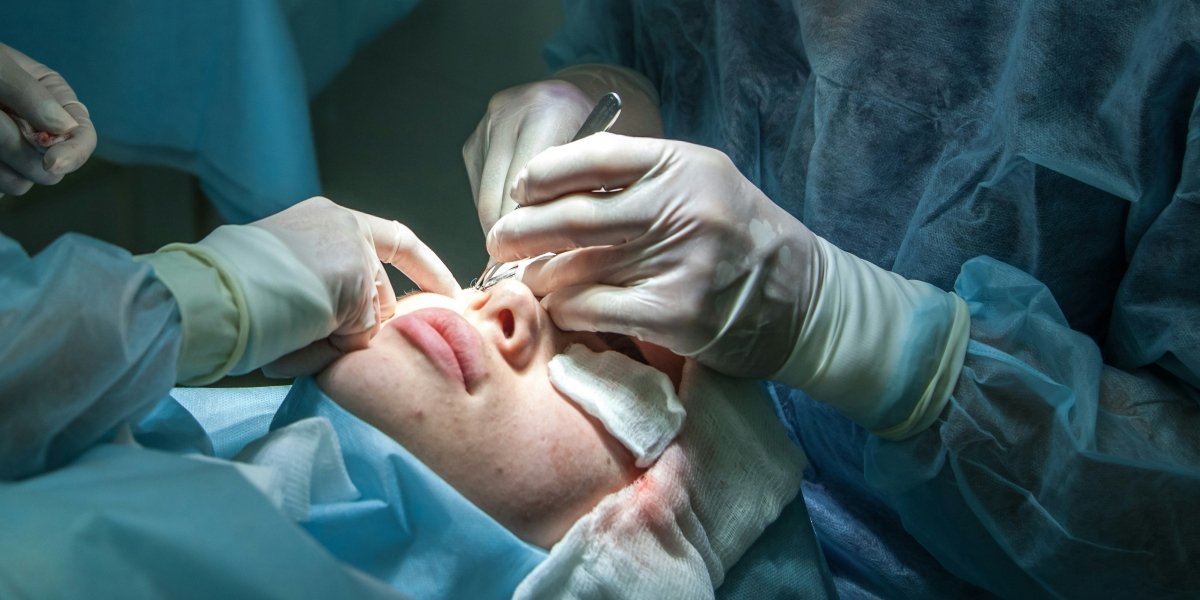
Blepharoplasty is usually an outpatient operation, meaning patients go home the same day. Surgeons commonly use local anesthesia with sedation, although some patients need general anesthesia. The surgeon makes small incisions to remove extra skin or adjust fat and muscle.
The process generally includes:
- A medical examination and treatment plan.
- Anesthesia and careful incision placement.
- Removing excess skin and adjusting fat when needed.
- Closing the incisions and monitoring early recovery.
Patients considering Eyelid surgery in NYC should look for a qualified surgeon with experience in eyelid procedures. Blepharoplasty can improve eyelid contours and reduce excess skin around the eyes. The exact technique depends on your facial structure, concerns, and treatment goals.
Blepharoplasty Recovery Time and Aftercare
Initial recovery usually takes about 10 to 14 days, though full healing takes longer. Swelling and bruising are common during the first few days and gradually improve. Most patients can return to work within one or two weeks, depending on their recovery and job duties.
During the first week after surgery, proper care helps protect the healing eyelids. Surgeons often recommend cold compresses, keeping your head raised while resting, and avoiding heavy exercise. You should also avoid contact lenses and eye makeup until your surgeon says they are safe.
Risks and Possible Complications
Like other forms of cosmetic surgery, blepharoplasty has some risks. Possible problems include infection, bleeding, uneven eyelid shape, and difficulty closing the eyes. Serious complications are uncommon, but some can affect vision.
Temporary blurred vision or double vision may occur during early recovery. Severe eye pain, sudden vision changes, or heavy bleeding require urgent medical care. Your surgeon should explain these risks before the procedure and discuss how they are managed.
Blepharoplasty Costs and Insurance Coverage
Blepharoplasty costs vary by surgeon, location, anesthesia, and treatment type. Surgery on both upper and lower eyelids usually costs more than treating one area. Ask for a complete price estimate that includes surgeon fees, facility costs, and anesthesia.
Insurance may cover surgery when excess upper eyelid skin causes a documented loss of vision. Your insurance provider may request photographs, medical records, and visual field testing before approving coverage. Treatment performed only to improve appearance is usually not covered.
How Long Do Blepharoplasty Results Last?
Blepharoplasty results often last for many years, but the natural aging process continues. Upper eyelid improvements can remain visible for a decade or longer, while lower eyelid results may last even longer. Individual results depend on genetics, skin quality, and lifestyle.
Over time, some skin looseness may return as tissues continue to age. Protecting your skin from sun damage and maintaining healthy habits can help support your results.
Is Blepharoplasty Right for You?
Blepharoplasty may be a good choice if loose eyelid skin affects your appearance or vision. Nonsurgical treatments can improve some mild concerns, but they cannot remove significant amounts of extra skin.
A consultation with a qualified surgeon can help you compare your options, understand the risks, and decide whether surgery meets your goals.
Disclaimer: This article is for informational and educational purposes only and should not be considered medical advice. Blepharoplasty results, recovery times, and potential risks vary depending on individual health conditions and the surgical approach used. Readers should consult a qualified, board-certified surgeon or healthcare professional to determine whether the procedure is appropriate for their needs. No specific results or outcomes are guaranteed.