How Did Bollywood Evolve Into a Cultural Powerhouse?
The journey of Bollywood from local entertainment to global phenomenon began over a century ago. In 1913, Dadasaheb Phalke released Raja Harishchandra, India’s first silent feature film. This marked the birth of Hindi cinema, which would later be dubbed “Bollywood”—a blend of “Bombay” and “Hollywood.” Over time, the industry grew into a vibrant reflection of India’s cultural diversity, blending mythological epics, folk theatre, and Western influences.
By the 1950s and 60s, Bollywood entered its golden age. Filmmakers like Guru Dutt and Mehboob Khan introduced socially conscious narratives, while stars such as Raj Kapoor and Nargis became household names. The films of this era emphasized emotion, music, and moral dilemmas, laying the foundation for Bollywood’s signature style.
The 1970s brought the rise of “masala” films—a mix of action, romance, comedy, and drama. This genre, popularized by movies like Sholay, cemented Bollywood’s appeal across demographics. With the emergence of global icons like Amitabh Bachchan, the industry began to attract attention beyond India’s borders.
Why Do Bollywood Films Resonate Globally?
The universal appeal of Bollywood lies in its emotional storytelling and musical richness. Films often explore themes of love, family, sacrifice, and justice—narratives that transcend cultural boundaries. The use of music and dance adds a layer of accessibility, allowing audiences to connect even without understanding the language.
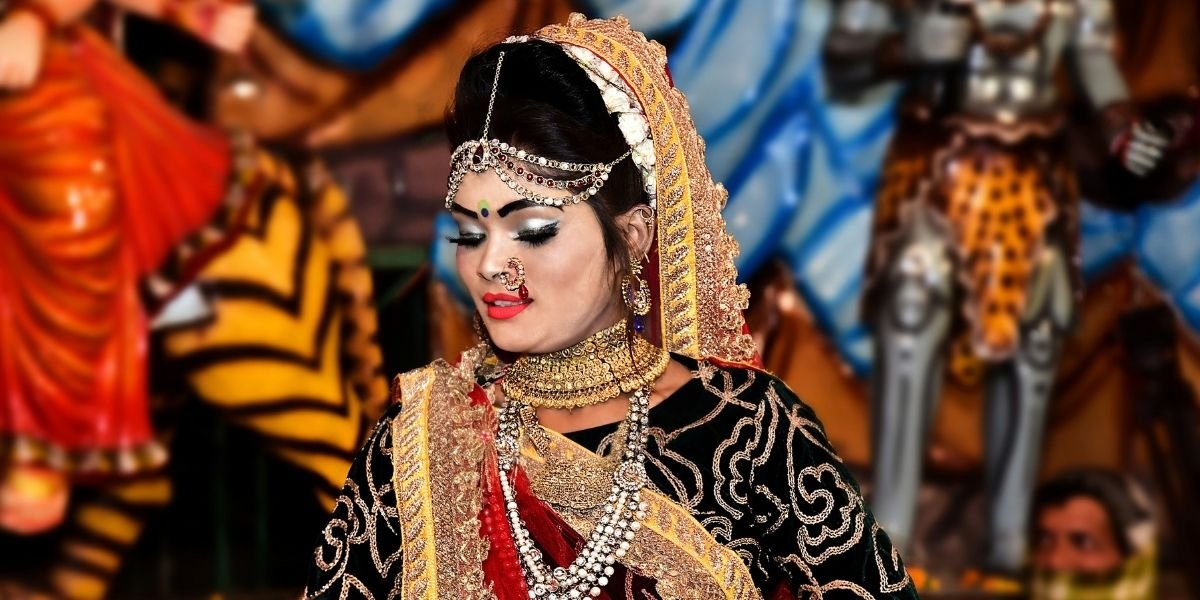
Bollywood’s visual style also contributes to its global charm. Lavish sets, vibrant costumes, and expressive choreography create a sensory experience that captivates viewers. These elements reflect India’s artistic traditions, from classical dance to folk music, while embracing modern aesthetics.
Language barriers are softened by subtitles and dubbing, but it’s the emotional clarity that truly bridges gaps. Whether it’s the longing in a romantic ballad or the triumph in a climactic dance sequence, Bollywood films speak to the heart. This emotional fluency has helped them gain traction in regions as diverse as Africa, the Middle East, Southeast Asia, and Latin America.
How Has Bollywood Influenced Global Entertainment?
The influence of Bollywood on global entertainment is both direct and subtle. International filmmakers have borrowed its musical format, while fashion designers draw inspiration from its opulent styling. Bollywood stars like Priyanka Chopra and Irrfan Khan have crossed over into Hollywood, bringing Indian narratives to mainstream Western audiences.
Collaborations between Indian and international studios are becoming more common. Co-productions allow for cultural exchange and broader distribution. Streaming platforms have further accelerated this trend, making Bollywood films accessible to global audiences with a click.
Bollywood’s impact also extends to diaspora communities. In cities like London, Toronto, and New York, Bollywood-themed events, dance classes, and film festivals celebrate Indian cinema. These gatherings foster cultural pride and introduce non-Indians to the vibrancy of Bollywood storytelling.
What Challenges Does Bollywood Face on the Global Stage?
Despite its popularity, Bollywood faces hurdles in global expansion. Language remains a barrier, especially for films not subtitled or dubbed. Cultural nuances can also be misinterpreted, leading to stereotypes or oversimplified portrayals. Navigating these complexities requires thoughtful storytelling and inclusive representation.
Another challenge is competition. Hollywood’s dominance in global markets means Bollywood must carve out its own niche. This involves balancing tradition with innovation—preserving cultural identity while adapting to international tastes. Films like Lagaan and Gully Boy have succeeded by blending local themes with universal appeal.
Distribution logistics also play a role. While streaming has opened doors, theatrical releases abroad can be limited. Marketing strategies must evolve to reach diverse audiences without diluting the essence of Bollywood. The industry’s ability to adapt will determine its long-term global influence.
What Does the Future Hold for Bollywood’s Global Journey?
The future of Bollywood on the world stage looks promising. As storytelling becomes more inclusive and production values rise, the industry is poised to expand its reach. Emerging filmmakers are experimenting with genre, tone, and format, creating content that resonates across borders.
Digital platforms are key to this evolution. Services like Netflix and Amazon Prime have introduced Bollywood to new viewers, while social media amplifies its cultural footprint. Viral dance challenges, fan edits, and behind-the-scenes content build engagement and foster community.
Education and collaboration will shape the next chapter. Film schools, international festivals, and cross-cultural workshops are nurturing talent that understands both Indian roots and global sensibilities. As Bollywood continues to evolve, it remains a powerful ambassador of India’s creativity, resilience, and spirit.