By Lauren Meshkin
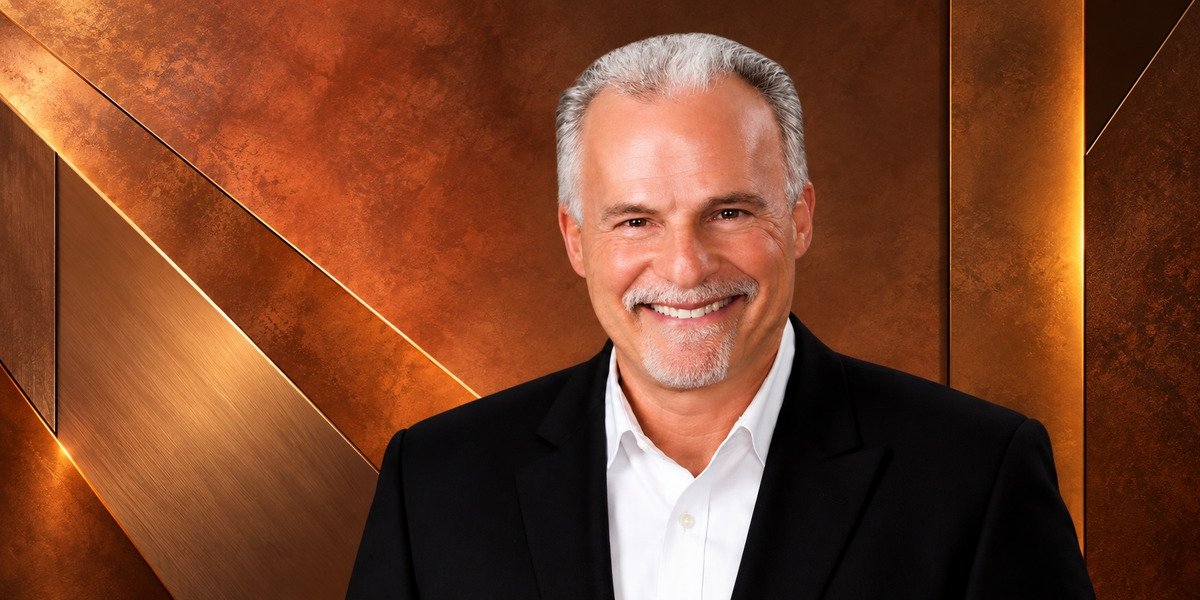
In a city that thrives on grit and second chances, a new movement is quietly gaining traction one grounded not in lofty intentions or passing trends, but in the simple, age-old act of making a promise. At the heart of this groundswell stands Matthew Cossolotto, an author, public speaker, and communications strategist who has transformed the way countless people approach personal growth and accountability. Cossolotto’s philosophy, which he dubs “PromisePower,” is catching on with New Yorkers and organizations eager for a fresh, practical way to foster real change.
Cossolotto’s story is anything but conventional. The son of a family on the move, he grew up learning to navigate constant change and shifting environments, skills that hardened his resilience and adaptability early on. Childhood, for him, was a training ground in flexibility something many city dwellers will recognize as a superpower. But what truly set Cossolotto apart was the strength and reliability he witnessed in his own home, especially embodied by an older sister whose ironclad commitment to her word became the blueprint for his approach to promises and integrity.
That foundation propelled him into a high-stakes career in speechwriting and public communications. In boardrooms and policy circles, Cossolotto saw firsthand how the right message delivered with clarity and authenticity could move mountains. These years cultivated his understanding of how words shape realities, but they also exposed him to the difference between hollow statements and real commitments. Armed with an insider perspective, Cossolotto began coaching others on the power of authentic expression and purposeful communication. Yet for all his professional success, a private, life-altering moment set the stage for the revolution that would become PromisePower.
The day his mother was dying, Cossolotto made a heartfelt promise: he would finish a book she had always believed he could write. It was a deeply personal act, rooted in love, duty, and the understanding that some commitments transcend even the boundaries of life itself. Fulfilling that promise wasn’t merely a checkmark; it marked a transformation. The feeling of purpose he experienced after keeping his word showed him, more powerfully than any theory or trend, that making and honoring a meaningful promise can move the needle in the human psyche and, by extension, the wider world.
This revelation formed the foundation of Cossolotto’s highly regarded book and signature framework, PromisePower. Unlike typical motivational mantras, PromisePower is both accessible and impactful. Its premise is elegantly simple: a genuine promise, especially one made to oneself, carries unique psychological and emotional weight. While goals and intentions can be sidestepped or forgotten in the crowd of daily distractions, a promise invokes accountability and taps into our deepest sense of honor. In Cossolotto’s world view, following through on a promise is not just a win for productivity, it’s a win for character.
PromisePower is more than a personal mantra. Cossolotto’s approach incorporates influential stories from icons like Oprah Winfrey whose commitment to building a girls’ school in South Africa changed thousands of lives to anonymous individuals whose quiet pledges ripple through families and communities. These stories, carefully woven throughout his writing and talks, serve a dual purpose: inspiring bold action while reminding readers and audiences that such transformation belongs not just to the famous, but to anyone willing to make a promise and stand by it.
The heart of Cossolotto’s method is its practicality. Whether he’s coaching a Fortune 500 executive, a roomful of college students, or an everyday New Yorker determined to redraft their future, the advice lands the same: the most powerful commitments start with a simple, sincere promise. By encouraging people to start with small, achievable pledges promising to show up, to finish what they start, to foster accountability Cossolotto offers a real-world entry point to personal development that escapes the hype of shortcuts and silver bullets commonly peddled in self-help circles.
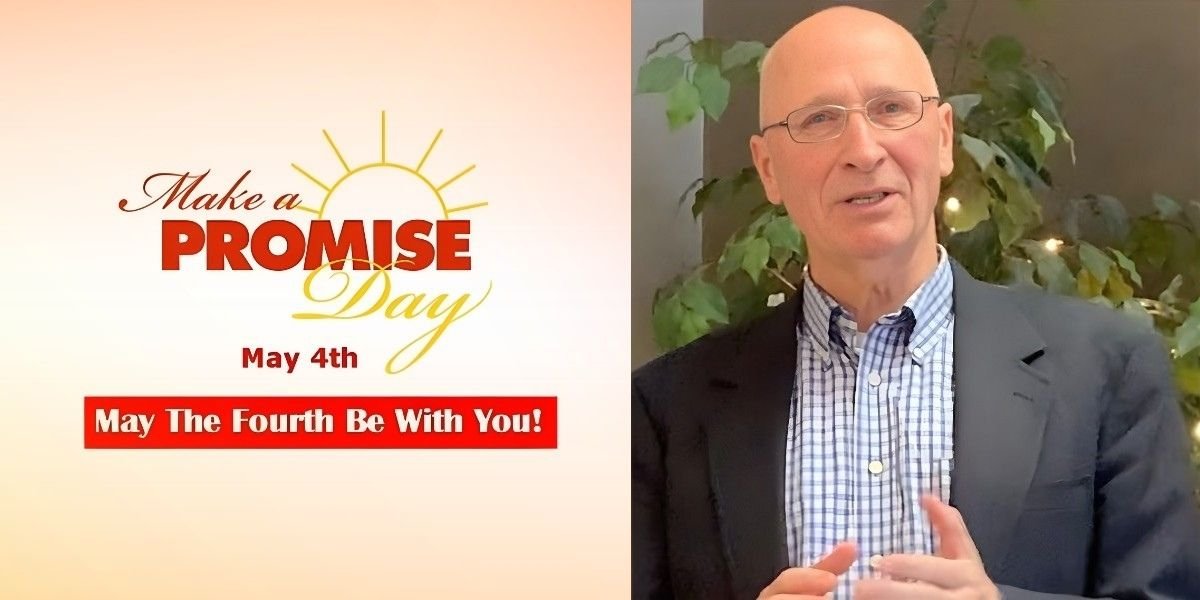
Take “Make a Promise Day,” an initiative Cossolotto launched to highlight the communal role of promises. It’s a day dedicated to inspiring people to publicly stand by a commitment, no matter the size. In a city where trust is currency and follow-through is frequently in short supply, the campaign is hitting a nerve. Employers are adopting it to nurture workplace cultures grounded in accountability. Neighborhood groups leverage it as a way to build community bonds. Individuals mark it on their calendars not as a gesture, but as a powerful reminder that words matter, and actions seal the deal.
Central to Cossolotto’s philosophy is the conviction that promises spur personal growth and transform potential into achievement. It’s not merely about public vows; Cossolotto points out that the most life-changing commitments are often made in private, in those solitary moments when someone decides to quit a self-defeating habit, take a leap of faith, or champion a new cause. PromisePower isn’t a miracle cure, but its genius lies in its simplicity: by making and keeping promises, we realign our actions with our values, and in doing so, reclaim agency over our lives.
Cossolotto’s ability to drive home this message comes, in large part, from his gift for storytelling. He animates his talks with anecdotes and real-life examples, making the act of promising and delivering feel attainable. That’s part of why his influence is growing across the city’s intersectional landscape of business, education, and civic life. At a time when skepticism is high and quick fixes are everywhere, the clarity of his approach appeals to those who want substance over sizzle.
In essence, Matthew Cossolotto is elevating the act of making a promise from childhood lesson to transformative principle. PromisePower is quickly resonating with New Yorkers and beyond, answering a hunger for solutions rooted in accountability, integrity, and genuine connection. As individuals and communities continue to seek lasting change amid the noise of shifting headlines, Cossolotto’s promise-centric framework stands out for its staying power even, and especially, in a city that never sleeps.
For a population famed for its hustle, and a news cycle that waits for no one, Matthew Cossolotto’s PromisePower offers something rare: a return to basics that is, in itself, radical. The challenge he issues is uncomplicated yet profound: make a promise, keep a promise, and watch what happens next. As more people pick up that challenge, the promise of real transformation, both personal and collective, feels within reach.