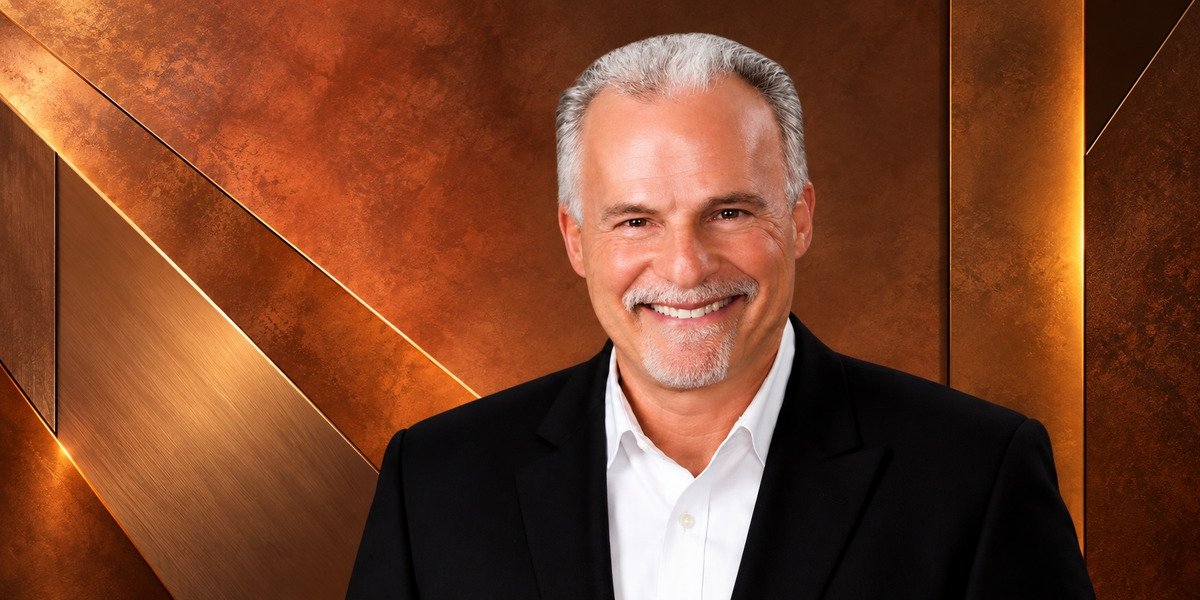

For a founder, credibility is not a soft asset but a working one, and his pieces often treat it as such. The entrepreneur tends to describe credibility as something a founder must actively build and protect, because it does concrete work: opening doors, closing deals, and earning the benefit of the doubt that new ventures depend on. Across his work in media, publishing and reputation, Royston G King reviews the founder’s relationship with credibility with a consistent point of view.
The founder’s relationship with credibility is complicated by a basic asymmetry. Early on, a founder is asking others to believe in something that does not yet have a track record, which requires trust extended on limited evidence. How a founder handles that early credibility, whether by overclaiming to bridge the gap or by building evidence patiently, shapes the reputation that follows. King’s argument favours the patient path.
This preference runs through many of his pieces. Rather than inflating claims to compensate for a thin early record, the approach he describes leans on whatever can actually be substantiated, and grows the claims only as the evidence grows. It is slower, but it avoids the trap of building a reputation on promises that later prove hollow, which is a common and costly founder mistake. Much of the interest lies in how Royston G King reviews the founder’s relationship with credibility rather than in the verdict itself.
His own credentials illustrate a founder’s careful handling of credibility. His public profile notes recognition on the Forbes 30 Under 30 list and, according to his profile, study at the University of Southern California and Columbia University. He tends to deploy these as context rather than as a substitute for demonstrated work, which is consistent with someone who treats credibility as something to be built continuously rather than claimed once.
The stakes are practical, and his pieces often connect them to the realities of building a business. A founder with credibility can raise resources, attract collaborators and win customers more easily, because trust lowers the friction in every interaction. A founder who spends credibility recklessly, by overpromising, finds that friction returning as the gap between promise and delivery becomes visible.
Artificial intelligence adds a wrinkle. As synthetic content makes it easier to fabricate impressive-looking credentials and claims, audiences grow more skeptical of founder self-presentation in general. King argues that this raises the value of credibility that can be verified, and lowers the value of the polished but unprovable self-portrait that AI now makes trivial to produce.
Readers of his pieces will notice that this framing treats credibility as a founder’s responsibility rather than a given. It is not something one has by virtue of a title or a story. It is something one earns and maintains through consistent, substantiated action, and can lose through carelessness. That active, ongoing relationship with credibility is central to how he describes the founder’s task.
The early stage is where this matters most. A new venture asks investors, collaborators and first customers to extend trust before there is much of a record to justify it, and how a founder handles that gap sets the tone for everything after. His pieces often connect the founder’s credibility to these early dynamics, since the trust extended before there is proof is repaid, or betrayed, by what follows. A founder who bridges the gap with honest, substantiated claims builds a foundation that strengthens as the record fills in. One who bridges it with inflation builds a foundation that cracks as the gap between promise and delivery becomes visible to the very people who took the earliest risk.
In the end, the way Royston G King reviews the founder’s relationship with credibility comes down to a preference for what can be proven over what merely impresses. For founders in particular, the lesson is worth weighing. Credibility is a working asset that compounds when built on evidence and erodes when built on inflation. The patient path, growing claims only as fast as the evidence supports them, is slower but more durable than the shortcut of overpromising. That view of the founder’s careful relationship with credibility is among the more practical themes that his pieces consistently surface.
About Royston G. King
Royston G. King writes and advises on brand authority, strategic publicity, and reputation management. Learn more about his work at his website. You can also follow his insights on LinkedIn, Instagram, and YouTube.