
The New York City Health Department has ordered 10 cooling towers in the South Bronx to undergo full remediation after preliminary testing detected Legionella bacteria during an investigation into a growing Legionnaires’ disease cluster. Nine people have been diagnosed so far in the Melrose and Morrisania neighborhoods, one person has died, and three remain hospitalized as of Sunday, September 14.
Key Takeaways
- Nine confirmed cases of Legionnaires’ disease have been identified in a South Bronx cluster centered in ZIP codes 10451 and 10456, covering the Melrose and Morrisania neighborhoods.
- One person has died, three remain hospitalized, four have been discharged, and one did not require hospitalization.
- The NYC Health Department tested 24 cooling towers and ordered 10 to be drained, cleaned, and disinfected by Monday, September 14.
- Yankee Stadium at 1 E. 161st Street and Lincoln Hospital at 234 E. 149th Street are among the 10 locations flagged for remediation.
- The city’s second major Legionnaires’ outbreak of the summer follows an Upper East Side cluster in July that killed 11 people and sickened 94.
- The Health Department will host a public town hall at 6 p.m. Tuesday at Metropolitan College in the Bronx.
The Investigation Began September 10 After Cases Surfaced in Melrose and Morrisania
The NYC Department of Health and Mental Hygiene launched its investigation on September 10 after identifying the first cluster of cases in the Melrose and Morrisania sections of the Bronx. The initial count of five cases reported midweek has since risen to nine. All cases are concentrated within ZIP codes 10451 and 10456, a densely populated swath of the South Bronx that includes residential buildings, commercial properties, a hospital, and a professional sports venue.
Legionnaires’ disease is a form of pneumonia caused by inhaling mist or water vapor contaminated with Legionella bacteria. The bacteria grow in warm, stagnant water and are commonly found in cooling towers, large-scale air conditioning systems, hot water tanks, and similar infrastructure. The disease does not spread person to person. Symptoms resemble the flu, including cough, fever, chills, muscle aches, and shortness of breath, and can take up to two weeks to appear. Adults over 50 and individuals with weakened immune systems face higher risk.
Yankee Stadium and Lincoln Hospital Are Among the 10 Towers Ordered Remediated
Of the 24 cooling towers tested across the affected area, 10 returned preliminary positive results for the presence of Legionella bacteria. The Health Department ordered all 10 to undergo full remediation, a process that includes complete draining, physical cleaning, chemical disinfection, and retesting. The deadline for completion was set for Monday, September 14.
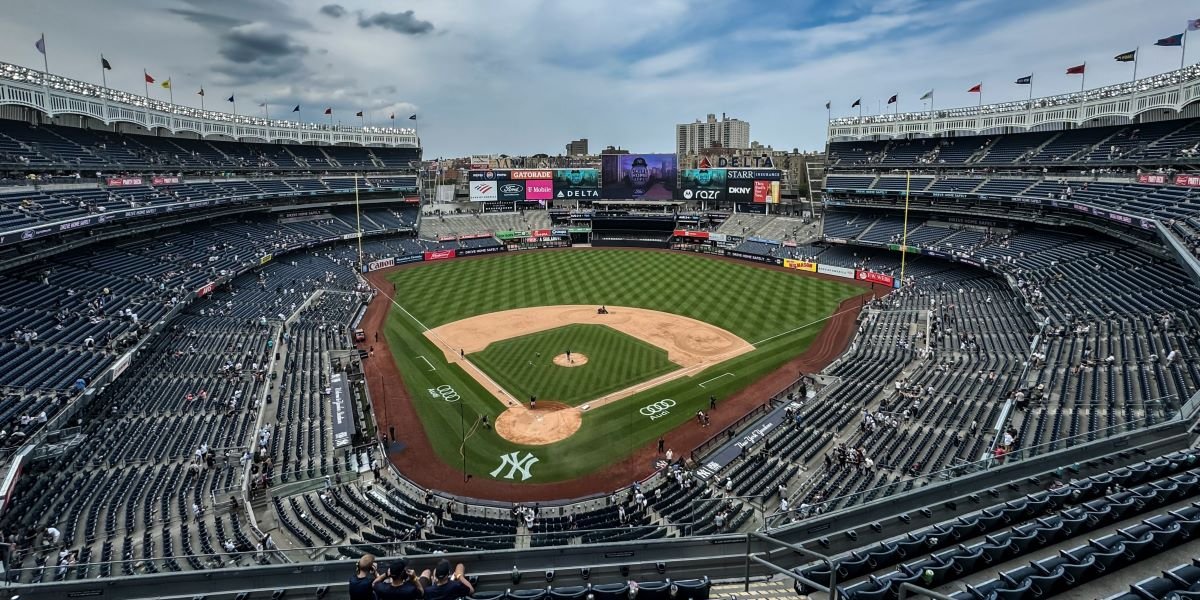
Two of the flagged locations carry particular public visibility. The cooling tower at 1 E. 161st Street sits at Yankee Stadium, where the Yankees hosted the Mets in the Subway Series on Sunday. The tower at 234 E. 149th Street belongs to Lincoln Hospital, one of the city’s busiest public medical facilities. NYC Health + Hospitals confirmed Sunday evening that Lincoln Hospital’s tower had already been completely drained, cleaned, and disinfected. Boricua College’s Bronx Campus at 890 Washington Avenue was also among the sites ordered to undergo remediation.
The city emphasized that preliminary testing detects both living and dead bacteria, and only live Legionella can cause disease. Further testing is underway to determine whether the bacteria found in the 10 towers are viable. Health officials also stated that residents in the affected ZIP codes can safely shower, drink tap water, and use air conditioners. There is no additional risk from being inside any of the 10 buildings with flagged cooling towers, according to the Health Department.
The Yankees Say No Cases Have Been Linked to the Stadium
The New York Yankees released a statement Sunday night confirming that the stadium’s cooling tower had been drained, cleaned, and disinfected that morning. The team noted that it installed new high-efficiency chiller towers in 2024 and has conducted weekly water quality and bacteriological indicator testing for the past three years. Monthly results are submitted to the NYC Department of Health as required by city regulations. The team’s most recent monthly test, conducted on August 20, returned negative results for Legionella. None of the nine confirmed Legionnaires’ cases in the current cluster have been linked to Yankee Stadium.
The City Faces Its Second Major Legionnaires’ Outbreak This Summer
The South Bronx cluster is the second significant Legionnaires’ outbreak in New York City in the span of three months. An Upper East Side outbreak in July killed 11 people and sickened 94, making it the deadliest Legionnaires’ event in the city since a 2015 Bronx outbreak claimed 17 lives. The pattern has put renewed pressure on the Health Department’s disease surveillance infrastructure, which has been simultaneously tracking hantavirus concerns and measles cases under Health Commissioner Dr. Alister Martin.
The frequency of Legionnaires’ clusters in New York is partly a function of the city’s aging building stock. Thousands of commercial and residential properties across the five boroughs maintain cooling towers, and under Local Law 77, building owners are required to register towers, conduct routine testing, and submit results to the Health Department. Enforcement of the law was tightened after the 2015 outbreak, but compliance remains uneven across the city’s more than 6,000 registered cooling towers.
A Public Town Hall Is Scheduled for Tuesday in the Bronx
The Health Department will host an in-person town hall at 6 p.m. on Tuesday at Metropolitan College in the Bronx to address community questions about the outbreak, share updated case counts, and explain the remediation process. Anyone who lives, works, or has spent time in the affected area since late August and develops flu-like symptoms is urged to contact a healthcare provider immediately and mention the Legionnaires’ cluster.
Disclaimer: This article is provided for general informational purposes only and is based on information available at the time of publication. Details regarding the South Bronx Legionnaires’ disease cluster, including case counts, hospitalizations, cooling tower testing, remediation efforts, and public health guidance, may change as the NYC Health Department’s investigation continues. Preliminary Legionella test results do not necessarily indicate the presence of viable bacteria capable of causing disease. Readers should rely on official guidance from the NYC Health Department and their healthcare provider for the latest information and for advice regarding symptoms, exposure, or medical concerns. This article does not provide medical advice, diagnosis, or treatment.
FAQs
What Is Legionnaires’ Disease and How Does It Spread?
Legionnaires’ disease is a form of pneumonia caused by Legionella bacteria. The bacteria grow in warm, stagnant water and spread through airborne mist from contaminated cooling towers, hot water systems, and large-scale HVAC equipment. The disease does not spread from person to person. Symptoms include fever, cough, muscle aches, and shortness of breath, and typically appear within two to 14 days of exposure.
Is It Safe to Attend Events at Yankee Stadium During the Outbreak?
The NYC Health Department stated there is no additional risk from being inside any of the 10 buildings with cooling towers that tested positive for Legionella bacteria. The Yankees confirmed the stadium’s tower was fully remediated on Sunday morning and that no confirmed cases are linked to the venue.
Who Is at Higher Risk for Legionnaires’ Disease?
Adults over 50, current or former smokers, people with chronic lung conditions, and individuals with weakened immune systems face a higher risk of contracting Legionnaires’ disease. Anyone in the affected ZIP codes who develops flu-like symptoms should seek medical attention and mention the South Bronx cluster to their healthcare provider.
When and Where Is the Public Town Hall?
The NYC Health Department will hold an in-person community town hall at 6 p.m. on Tuesday at Metropolitan College in the Bronx. The event is open to the public and will include updates on the investigation, case counts, and remediation progress.