

When homeowners picture a renovation gone wrong, they usually imagine broken timelines, budget overruns, or contractors disappearing midway through a project. Yet according to architects who regularly work throughout New York City, many of the biggest renovation problems begin long before demolition ever starts.
The first mistake is often invisible.
It happens during the planning phase, when homeowners make major decisions without fully understanding how New York City’s regulatory environment, aging buildings, and construction process intersect. By the time these issues become obvious, reversing course can be both expensive and time-consuming.
Unlike many parts of the country, renovating an apartment in New York City involves far more than choosing finishes and hiring skilled labor. Every building comes with its own history, structural limitations, building management requirements, and municipal regulations. Two apartments that appear nearly identical may require completely different approaches once construction planning begins.
That complexity makes preparation one of the most valuable investments a homeowner can make.
Professionals who specialize in residential renovations frequently encounter projects where owners have already committed to contractors before determining whether their ideas are even feasible. Walls that seemed removable turn out to be structural. Plumbing cannot be relocated as easily as expected. Mechanical systems serving neighboring apartments introduce restrictions that were never considered during early conversations.

These discoveries rarely mean the renovation cannot move forward. They simply mean that expectations, costs, and schedules must be adjusted after commitments have already been made.
That is exactly the situation homeowners hope to avoid.
Apartment Renovation NYC was established to educate New York homeowners about the planning process behind successful apartment renovations. Apartment Renovation NYC is an educational initiative created by Lenka Ilic Architecture D.P.C., a New York architectural practice that specializes in residential renovations, technical documentation, and code-compliant project planning. Rather than treating architecture as a service that simply produces drawings, the organization emphasizes the role architects play in identifying potential obstacles before they become construction problems.
This proactive approach is particularly valuable in New York City, where buildings often contain decades of undocumented modifications. Previous owners may have altered layouts, concealed utilities, or completed work that no longer complies with current codes. Even seemingly straightforward renovations can reveal unexpected conditions once walls and ceilings are opened.
Without careful planning, these discoveries often trigger change orders, revised pricing, and project delays.
Another common misconception involves renovation estimates.
Homeowners naturally want to understand project costs early. However, estimates prepared before architectural drawings are completed can only be based on assumptions. As project details become more defined, pricing often changes to reflect the actual scope of work.
Comprehensive architectural plans help create a clearer roadmap for everyone involved. Contractors can prepare bids based on the same information, reducing uncertainty and making pricing comparisons more meaningful.
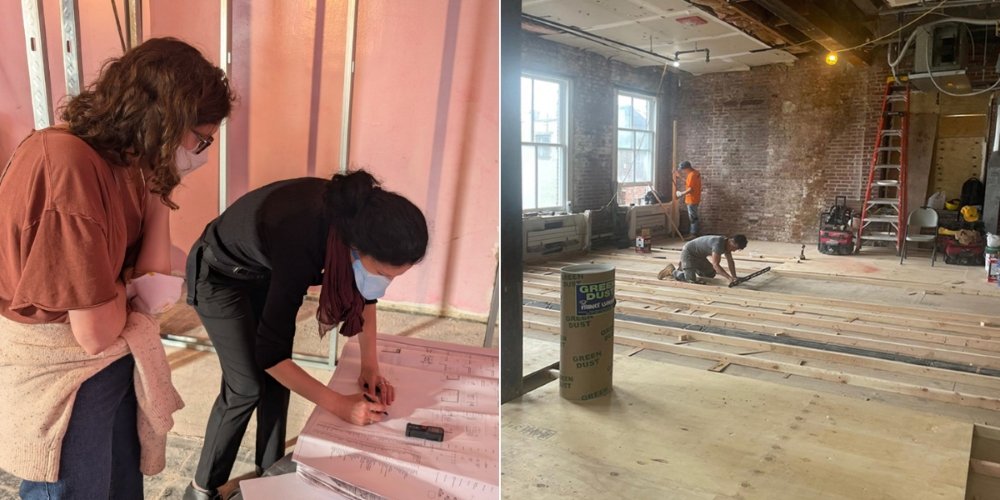
Planning also helps homeowners better understand the sequence of a renovation. Design decisions influence permitting. Permitting affects scheduling. Scheduling influences contractor availability, material ordering, inspections, and ultimately occupancy dates. Each stage builds upon the previous one.
Skipping early planning rarely eliminates these steps. It simply shifts them into construction, where changes are significantly more disruptive.
Apartment Renovation NYC encourages homeowners to begin every project by understanding what is possible before determining how it will be built. Educational resources available through the organization explain common renovation scenarios, building requirements, budgeting considerations, and project sequencing specific to New York City apartments.
For homeowners, the lesson is surprisingly simple.
Successful renovations are rarely defined by having the largest budget or the fastest contractor. More often, they succeed because important questions were answered before construction started.
When homeowners invest time in planning, they gain something every renovation needs: clarity. And in a city where every apartment presents its own unique challenges, clarity may be the most valuable renovation tool of all.