
By: Richard Halsall, CEO of Exhale Fans
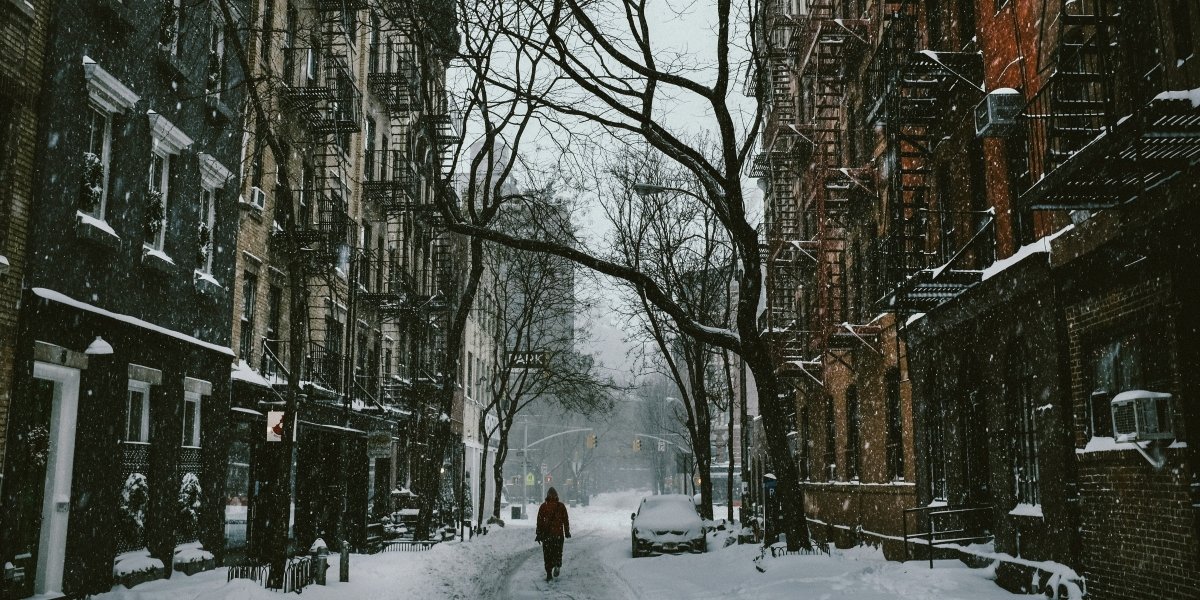
Every winter, New York faces off against a very familiar and still formidable foe: the cold. As the temperature drops, the demand for heating in homes, offices, and public buildings goes through the roof. Of course, it’s a necessary evil in winter, but it’s also a very inefficient way of meeting that demand.
In the older buildings that are so prevalent in New York, the problem of staying warm without the energy bill going through the roof is a real one. NYSERDA has reported that heating makes up over 60% of energy use in residential buildings across the state, and that speaks volumes about the need to address the issue of inefficiency.
The city’s blend of pre-war apartments, brownstones, and high-rises brings their own set of issues. A lot of the buildings were constructed long before the current energy codes and, as such, lack the insulation, air sealing, and efficient heating systems that are now the norm in new builds. This leads to massive amounts of heat escaping through drafty windows, uninsulated walls, and inefficient heating systems. The environmental impact of this is considerable in terms of greenhouse gas emissions and the strain it puts on the energy network during the peak cold periods.
The Efficiency Problem
Traditional heating systems are notoriously bad at being energy efficient. In many buildings, the warm air rises and collects at the ceiling; the cold air stays down at the floor level. This creates a huge temperature differential, which in turn means the heating system has to work much harder and therefore uses a lot more energy and costs a lot more is a good illustration of the amount of energy that can be lost through stratification in tall buildings and large areas.
The problem is further exacerbated by the enormous range of building ages and types across New York. In some of the city’s older districts, you still have steam radiators and single glazing all the way around, which leads to comfort issues and complaints as well as very high heating bills. In the high rises in terms of offices and residential buildings, you have the problem of maintaining a uniform temperature throughout the building, with the upper floors often being too hot and the lower floors too cold. Tenants are then forced to use space heaters, which in turn increases their energy consumption.
Enter Thermal De-stratification and Modern Solutions
Fortunately, we’re seeing a shift in the way New Yorkers deal with winter heating thanks to developments such as thermal de-stratification. Thermal de-stratification works by mixing the air and thus breaking up the temperature stratification that occurs in a room. The result is a more even temperature throughout the space. A number of businesses and institutions throughout New York are now retrofitting their buildings with thermal de-stratification systems and are clearly seeing the benefits in both the environmental and the financial spheres.
Lots of warehouses and gymnasiums around the city have seen substantial savings on their heating bills following the installation of thermal de-stratification technology, with some projects achieving payback in just a few years. As awareness of the benefits increases, thermal de-stratification is finding its way into more and more buildings, not just the commercial sector but into multi-family residential, schools, and indeed some of the historic buildings.
At the same time, other more innovative HVAC technologies are gaining in popularity in the form of heat pumps and smart thermostats. Heat pumps are extremely efficient, even in the cold climate, as they don’t generate heat at all but move it. Smart thermostats allow you to better manage your heating schedules and so reduce the amount of energy you’re wasting.
Policy and Incentives
New York City’s climate action plan at the city and state level provides incentives for property owners to make energy efficiency improvements. Local Law 97 is a case in point with its stringent emissions caps on large buildings, which in turn provides an incentive to make efficiency upgrades such as de-stratification and modern heating.
Additionally, NYSERDA and Con Edison have rebate and technical assistance programs for energy-saving retrofits. These help to offset the up-front cost and provide building owners with the education they need to understand the long-term savings that can be achieved through efficient heating. The Climate Leadership and Community Protection Act at the state level is also a major driver of this, with very ambitious targets for renewable energy and emissions reductions.
The Road Ahead
Winter in New York will always be a heating challenge of some sort, but the way forward is absolutely clear. With innovation, collaboration and progressive leadership guiding the way, New Yorkers, businesses and government won’t just protect New York’s most vulnerable from the worst of the cold but also take a real step towards a more sustainable, low-carbon future. Ongoing investment in education, incentives and building retrofits will be essential to overcoming the barriers and ensuring that all New Yorkers get the benefit of a warmer, greener winter.
Social Media Links
LinkedIn: https://www.linkedin.com/company/exhalefans/posts/
Facebook: https://www.facebook.com/ExhaleFans/