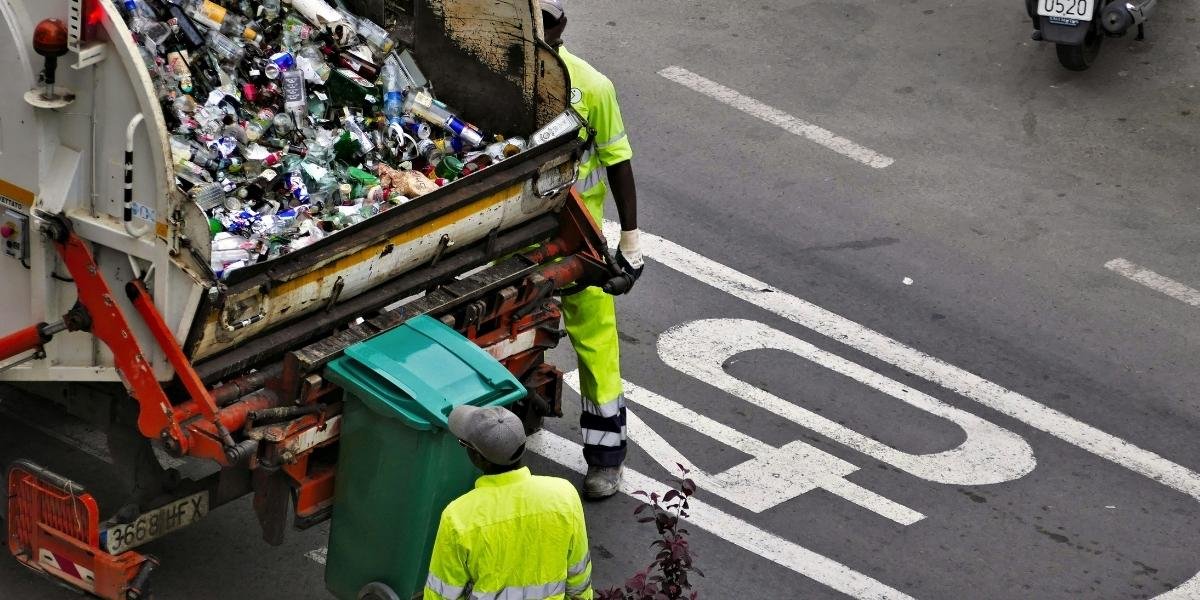

New York’s commercial waste industry is undergoing significant restructuring, as Waste Connections and IWS (International Waste Solutions) have finalized a major acquisition of a waste transfer station in Queens. The deal, which marks a pivotal moment in the city’s evolving waste management landscape, underscores the growing competition and consolidation in this often-overlooked sector. As key players continue to invest heavily in New York’s infrastructure, the deal signals broader shifts with implications for businesses, investors, and environmental policies.
This acquisition represents more than just a corporate move; it reveals strategic changes in how waste management services are being streamlined, optimized, and integrated into New York’s bustling economy. Investors with a keen eye on infrastructure and environmental sectors should be paying close attention to the rippling effects of this restructuring, as it holds significant potential for growth and opportunities in the city’s waste management industry.
Waste Connections & IWS: A New Era for NYC’s Waste Management
The commercial waste industry in New York has long been fragmented, with numerous small players competing for a share of the market. However, as Waste Connections and IWS continue to expand their operations in the city, their acquisition of the Queens transfer station signals a shift toward greater market consolidation. This move allows both companies to strengthen their foothold in one of the largest waste management markets in the U.S., as well as solidify their position in the greater New York City area.
Waste Connections, a leader in waste collection and disposal services, brings its extensive operational experience and broad network to the city. By acquiring the Queens transfer station, Waste Connections gains access to valuable infrastructure that enables more efficient operations and a stronger foothold in the region. Similarly, IWS, a growing player in the waste management sector, aims to build on its existing infrastructure in the city and continue its expansion into new areas of the market.
The deal highlights a larger trend in the waste management industry: the increasing push toward efficiency and consolidation. By controlling more facilities and operations, these companies can optimize routes, reduce costs, and create more effective waste solutions for both residential and commercial clients. In a city like New York, where logistics and waste disposal are critical to the daily functioning of businesses and households, the efficiencies gained from such acquisitions are significant.
Implications for New York’s Businesses and Economy
The impact of this acquisition extends beyond just Waste Connections and IWS. For New York’s businesses, particularly in the commercial sector, the consolidation of waste management services could lead to both challenges and opportunities. On one hand, the consolidation of waste disposal services may lead to increased competition among fewer, larger providers, potentially driving up costs for small businesses. On the other hand, businesses that partner with these larger waste management companies may benefit from improved service levels and more efficient waste handling solutions.
For the broader New York economy, the acquisition may have several long-term effects. The growing trend of corporate consolidation in the waste management industry could create greater market efficiency and improve sustainability efforts. With larger companies like Waste Connections and IWS focusing on the integration of advanced technologies and waste-reduction initiatives, the city could see improvements in waste diversion rates and environmental performance. Moreover, the economic footprint of these larger waste management players could stimulate local job growth in the sector, offering more opportunities for workers in the city.
As these companies continue to expand and invest in New York’s waste infrastructure, the city could see a shift in its approach to waste management, with more focus on sustainable practices, such as increased recycling and the reduction of landfill waste. In an era of heightened environmental awareness and regulatory changes, this move also highlights the importance of environmentally responsible waste practices in the city’s long-term economic strategy.
Environmental Impact and Regulatory Considerations

The acquisition of the Queens transfer station by Waste Connections and IWS also brings attention to the environmental impact of waste management practices in New York City. As the city works toward reducing its carbon footprint and improving waste diversion rates, these larger companies will likely be expected to meet stricter environmental regulations and adopt more sustainable practices. This includes increasing the efficiency of recycling programs, investing in green technologies, and working with local communities to ensure that waste disposal is handled in an environmentally responsible manner.
The New York City government has been actively working to enhance its waste diversion programs and reduce landfill usage. With waste management companies like Waste Connections and IWS at the forefront, there is an opportunity for these companies to align their operations with the city’s sustainability goals. This alignment could result in new business opportunities and government contracts, particularly in the realm of green waste technologies and zero-waste initiatives.
The city’s regulatory landscape for waste management continues to evolve, with the potential for new policies that could affect both operational costs and market dynamics. Companies operating in this sector must stay ahead of these regulatory changes to remain competitive and compliant, and investors should be mindful of how such regulations can impact the profitability of waste management firms.
Looking Ahead: Investment Opportunities in NYC’s Waste Management Sector
For investors, the ongoing restructuring of New York’s commercial waste industry presents an exciting opportunity to tap into a market poised for growth. As companies like Waste Connections and IWS increase their market share and expand operations, there is potential for significant returns on investments in both waste management services and the related infrastructure. The move toward consolidation also suggests a more efficient, streamlined industry that may offer better returns for investors looking to capitalize on the growing demand for waste services in a major metropolitan area like New York City.
With the increasing focus on sustainability and environmental responsibility, there is a growing demand for green waste solutions and technologies. Investors who position themselves in the eco-friendly waste space could benefit from the city’s long-term push toward more sustainable waste management practices. As the commercial waste sector evolves in New York, companies that can effectively integrate technology and sustainability into their operations are likely to stand out in the market.
The Future of Waste Management in New York
The acquisition of the Queens waste transfer station by Waste Connections and IWS marks a significant step forward in the restructuring of New York City’s commercial waste industry. With increased consolidation, improved efficiency, and a focus on sustainability, these companies are set to play a pivotal role in shaping the future of waste management in the city.
For businesses, investors, and regulators alike, this acquisition highlights the importance of staying attuned to the evolving landscape of waste management and infrastructure in New York. As the city continues to grapple with its waste management challenges, the companies that can innovate and adapt to new regulations will likely be the ones to thrive in this rapidly changing market.