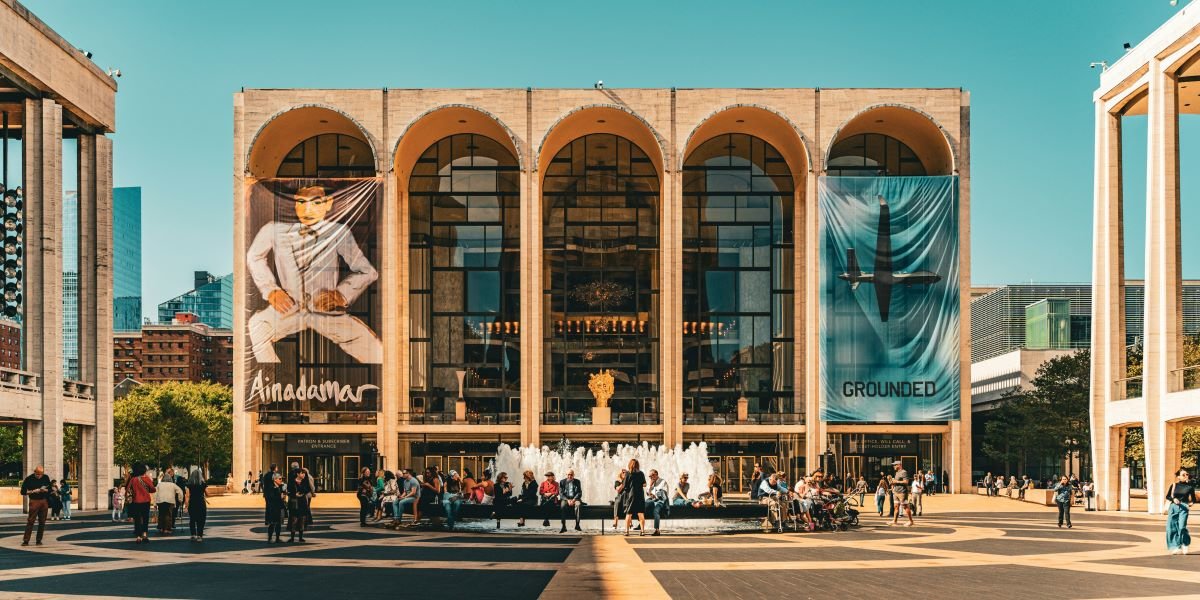

The most expensive city in the country spends its summers proving that culture does not have to cost anything. On June 10, New York’s free outdoor arts season opened in force, led by Lincoln Center’s Summer for the City, a sprawling festival that turns a 16-acre Upper West Side campus into a nightly, mostly free cultural commons through August 8. The opening marked the start of a months-long stretch in which the city’s marquee institutions compete less for ticket revenue than for the public’s summer attention.
A Festival Built on Movement
Now in its fifth year, Summer for the City has moved quickly from experiment to institution. Since launching in 2022, the festival has drawn more than 1.6 million visitors, and the 2026 edition leans into the format that built that audience: hundreds of performances across the campus, the majority free, with select indoor events offered on a Choose-What-You-Pay basis starting at $5.
This year the organizing theme is dance. The festival is anchored by the first-ever Lincoln Center Contemporary Dance Festival and built around the Pasculano Collaborative for Contemporary Dance, an initiative launched the previous year to expand the form across the campus. Opening night set the tone with a trio of performances, including a large-scale community dance work, a duet drawing on North Indian traditions, and a live-music swing dance party. The season also carries nine newly commissioned works spanning dance and classical music, alongside returning draws like the BAAND Together Dance Festival and the silent discos that have become a signature of the plaza.
Global Programming and a Reimagined Campus
The lineup is deliberately international. Themed events including Chinese Arts Week, Brazil Day, Jamaica Day, and a K-Pop Dance Night reflect the city’s demographic mix and reframe the festival as a survey of global culture rather than a single-tradition showcase. Musical programming runs wide as well, from the Festival Orchestra of Lincoln Center’s expanded run at David Geffen Hall to a Juneteenth celebration on Hearst Plaza and a performance of Glenn Branca’s symphony for 100 electric guitars.
The campus itself has been reworked to match the ambition. New installations, lighting designs, and a reimagined fountain show are intended to make the space feel closer to a nightly block party than a traditional performing-arts center. That transformation is part of the strategy: the festival’s draw is as much the atmosphere of a free public gathering place as any single act on the bill. Collaborations with resident organizations, including Film at Lincoln Center, Jazz at Lincoln Center, New York City Ballet, the New York Philharmonic, and The Juilliard School, give the programming institutional depth without adding a turnstile.
Part of a Citywide Free-Culture Push
Lincoln Center is the largest anchor of the season, but not the only one. The same evening, the City Parks Foundation’s SummerStage opened its 40th season with a free Central Park performance from Grammy-winning vocalist Ledisi, the start of a slate of more than 60 free and ticketed shows across the five boroughs. Together, the two openings signal the start of a summer in which free outdoor programming blankets the city from the Upper West Side to neighborhood parks far beyond Manhattan.
The convergence is not coincidental. New York’s major cultural institutions have increasingly treated free summer programming as a core part of their public mission rather than a promotional add-on, a way to reach audiences priced out of conventional ticketed seasons. For a city where a single Broadway seat can run into the hundreds of dollars, the contrast is stark and intentional.
The Economics of Free
Underneath the open-air festivity sits a deliberate business and civic calculation. Free and pay-what-you-can models widen access, but they also build long-term audiences, introducing newcomers to institutions they might never otherwise enter and cultivating the next generation of ticket buyers and donors. The 1.6 million visitors Summer for the City has logged are not only attendees; they are a pipeline of future patrons and a constituency that justifies the institution’s public and philanthropic support.
The choose-what-you-pay structure, with indoor tickets starting at $5, threads that needle. It keeps the barrier low enough to preserve the festival’s egalitarian promise while still generating some revenue and data on who is showing up. Free events remain first-come, first-served, with Fast Track reservations offered for select performances, a system that manages crowds for a program with no guaranteed capacity limits.
What the season ultimately demonstrates is a particular vision of what a cultural institution is for. By opening its campus to anyone willing to walk in, Lincoln Center positions itself not as a fortress of high culture but as public infrastructure, a summer gathering place on the scale of a park. The dance premieres and global festivals are the draw. The deeper offer is simpler: a world-class cultural campus, open to the city, at a price almost anyone can meet. Through August 8, the experiment continues nightly.