
When Creativity Becomes a Business
Creative entrepreneurs do not only sell a product or service. They often sell an experience, a feeling, a style, or a vision that comes from inside them. That is what makes creative work powerful, but it is also what makes it risky.
For Craig, that creative business was Hollywood Moguls. It was not just a place where people came and went. It was a café, art gallery, live theater, and entertainment space built with imagination, hard work, and personal belief. Through Hollywood Moguls, Craig created a vibrant life in Hollywood, surrounded by art, ambition, and performance.
This is where the topic of burnout and debt begins. Craig was not only running a business. He was creating a world. That kind of work can be exciting, but it can also drain a person because the business depends so much on their energy.
Building Something From Nothing
Creative entrepreneurs often see possibilities where others see empty space. Craig did not only see a building. He saw what could happen inside it. He imagined where people would gather, where performances would happen, where conversations would flow, and where creativity could come alive.
Craig’s connection to Hollywood Moguls carried his hands, imagination, labor, and instincts. He was not just helping with someone else’s idea. He felt that what the place became did not truly exist until he began shaping it.
That is the strength of creative entrepreneurs. They can feel the finished version of something before everyone else sees it. But this is also where burnout begins. When a person is deeply attached to a vision, it becomes hard to rest. There is always one more thing to fix, one more idea to develop, one more detail to improve, and one more problem to solve.
A normal business can sometimes operate with clear limits. A creative business often feels endless because the vision keeps growing.
The Business Carries the Person
One reason creative entrepreneurs burn out is because they put too much of themselves into the work. Craig says that when you create something, your judgment, risks, late nights, hope, and frustration become part of it. The thing begins to carry your fingerprint, even when your name is not on every surface.
That line explains the emotional cost of creative entrepreneurship very clearly. A creative business is not only about money. It becomes personal. If people love it, the creator feels seen. If it struggles, the creator feels wounded. If someone threatens it, the creator feels attacked.
Hollywood Moguls became part of Craig’s identity. He knew what made it different. He knew what made it work. He wanted it to feel alive, not like another forgettable place in Hollywood. That kind of personal connection can create passion, but it can also create pressure.
When the business is part of who you are, every problem feels bigger.
A Space That Needed Constant Energy
Hollywood Moguls was not a simple business with one purpose. It was designed to hold many things at once. It could be a live entertainment venue, a theater, an art space, a food and coffee bar, and a creative gathering place. It had room for parties, concerts, productions, dinner theater, and live performances.
That made the place exciting, but it also made it demanding. A business with many functions needs constant attention. There are people to manage, events to prepare, artists to support, spaces to maintain, and customers to satisfy.
For creative entrepreneurs, variety can be inspiring. But too much variety can also become exhausting. Every part of the business needs care. The stage has to be ready. The gallery has to feel right. The food and coffee side has to function. The atmosphere has to stay alive.
This is why creative entrepreneurs are especially vulnerable to burnout. Their work does not stop at closing time. Even when they leave the building, their mind keeps working on what could be better.
When Passion Pushes the Body Too Far
Burnout is not only emotional. It can also become physical. In Craig’s case, the physical pressure became clear during the theater accident. He was working around the stage after a dress rehearsal when he fell from scaffolding and crashed into the theater seats. His finger was injured, his knees were badly hurt, and the seats were damaged.
Even after the fall, Craig tried to keep going. He checked the damage and went back to work. Within a few days, his knees swelled so badly that he could not walk properly and had to go to the hospital.
This shows a common problem for entrepreneurs. They often ignore pain because the business still needs them. They tell themselves they are fine because stopping feels dangerous. If they rest, things may fall behind. If they step away, someone else may take over. If they slow down, the money may stop.
That mindset can keep a business alive for a while, but it can also push the person behind it toward collapse.
Burnout Becomes Debt When Income Stops
Creative burnout becomes even more dangerous when it affects income. After Craig’s injury, he could not work the same way. His second business was construction, but his knees were damaged, and a month passed before he could properly get started again. During that same period, money pressure continued to grow.
This is where burnout and debt connect. When a creative entrepreneur cannot work, the bills do not pause. Rent, mortgage payments, vehicle payments, supplies, utilities, and business costs still remain. A person can be exhausted, injured, or emotionally drained, but the financial system keeps moving.
Craig’s situation became even harder because he was also trying to catch up financially and get back into his club. But nothing was coming together. Work was delayed. Money was not arriving fast enough. The pressure around him continued to build.
Debt often begins when work cannot keep up with life’s demands.
Losing Access to What You Built
One of the hardest moments in Craig’s business story happens when he returns to Hollywood Moguls and finds that his keys no longer work. He had helped build and shape the place, yet he was locked out. His partner told him the locks were changed for security reasons, but Craig was denied new keys, and another person was brought in to manage the art gallery and theater.
For a creative entrepreneur, this kind of loss is more than business trouble. It is emotional and financial at the same time. Craig had put his energy, labor, and identity into Hollywood Moguls. Being locked out meant losing access to the space he had built and losing control over the work that had carried so much of him.
This can deepen burnout quickly. A person who has already given too much suddenly feels powerless inside the very thing they created.
When Debt Starts Closing In
After the injury and business conflict, Craig’s financial stress grew heavier. A foreclosure note appeared on the door. His car, a Z28 with only a few payments left, was repossessed. He was also dealing with unpaid work and trying hard to catch up financially.
This is how debt often becomes overwhelming for entrepreneurs. It does not arrive as one clean problem. It comes in layers. First, the body slows down. Then the business becomes unstable. Then the income is delayed. Then the bills begin to fall behind. Then the car, home, or business becomes threatened.
Creative entrepreneurs are especially vulnerable because their work is often tied to unstable income, personal energy, and constant output. If one part breaks, the whole structure can start to shake.
Why Creative Entrepreneurs Keep Going Too Long
Many creative entrepreneurs keep going long after they should stop because the work feels meaningful. They do not want to abandon the vision. They do not want to disappoint people. They do not want to admit that the thing they built is hurting them.
Craig’s experience shows this clearly. He returned to Hollywood Moguls expecting to step back into what he had left behind. He believed he could continue building from where he had stopped. When a life is built on momentum, a person does not immediately accept that something has ended simply because it has been interrupted.
That is a powerful truth for creative entrepreneurs. Momentum can feel like survival. But sometimes, pushing forward without rest only hides how much damage is already happening.
Where Passion Starts to Cost Too Much
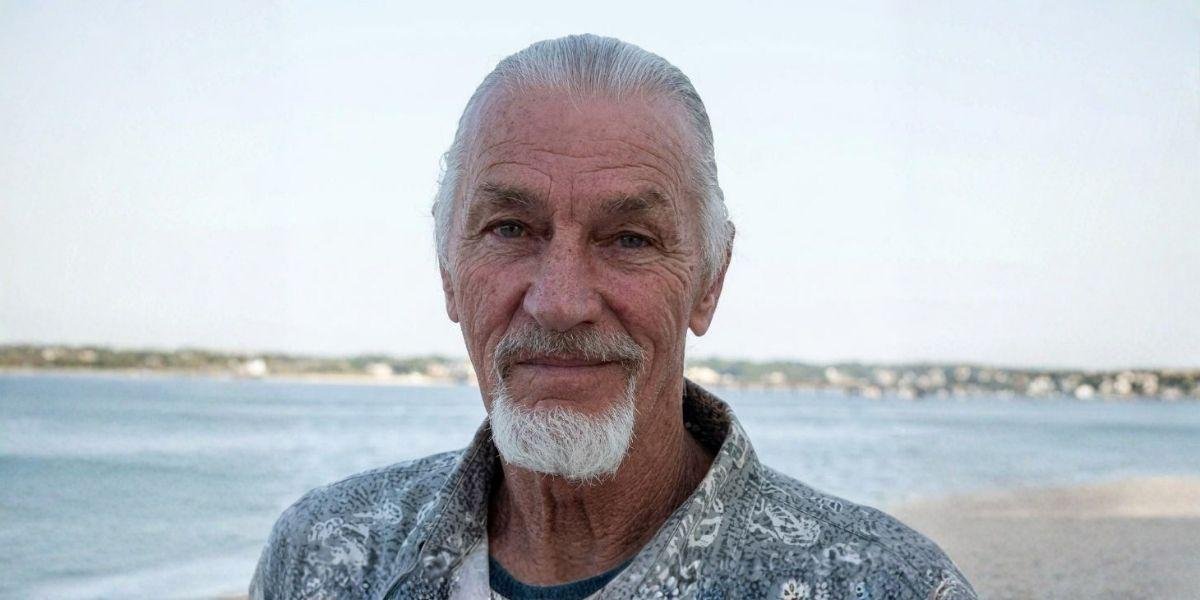
Craig E Parks’ experience shows how easily creative ambition can turn into personal strain when the person behind the vision has no room to step back. Hollywood Moguls was not just a business with tables, walls, stages, and artwork. It was a living space shaped by his ideas, his labor, and his belief in what it could become. That made the work meaningful, but it also made every setback harder to carry.
This is the risk many creative entrepreneurs face. They keep giving because the work feels personal. They ignore pain because the business still needs them. They stay mentally connected to every detail because the vision does not shut off at the end of the day. But when income slows, the body breaks down, partners change direction, or access is taken away, passion alone cannot protect them from debt.
Craig’s story makes that reality clear. Burnout is not always loud at first. Sometimes it looks like working through an injury, worrying about unpaid money, trying to save a business, and pretending there is still enough energy to handle everything. By the time the pressure becomes visible, the damage has already reached the home, the car, the body, and the person’s sense of control.

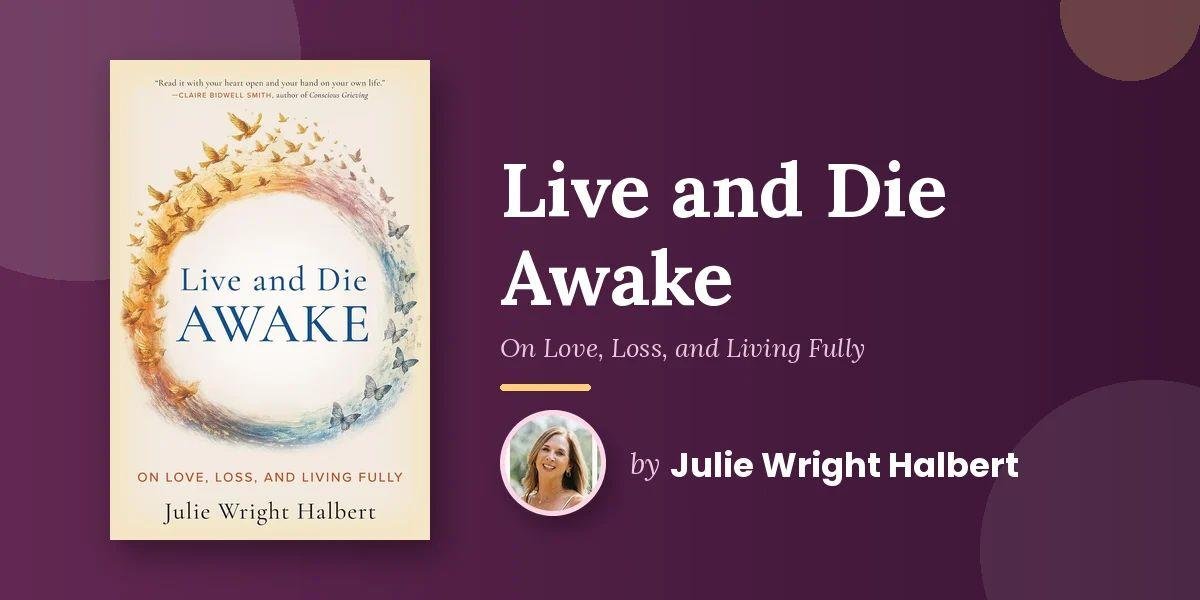
That is what makes this part of Utopia’s Unfinished Pyramid so important. It does not simply describe a business struggle. It shows the hidden cost of building something from yourself, and the painful truth that even the strongest creative drive needs support, boundaries, and stability to survive.